
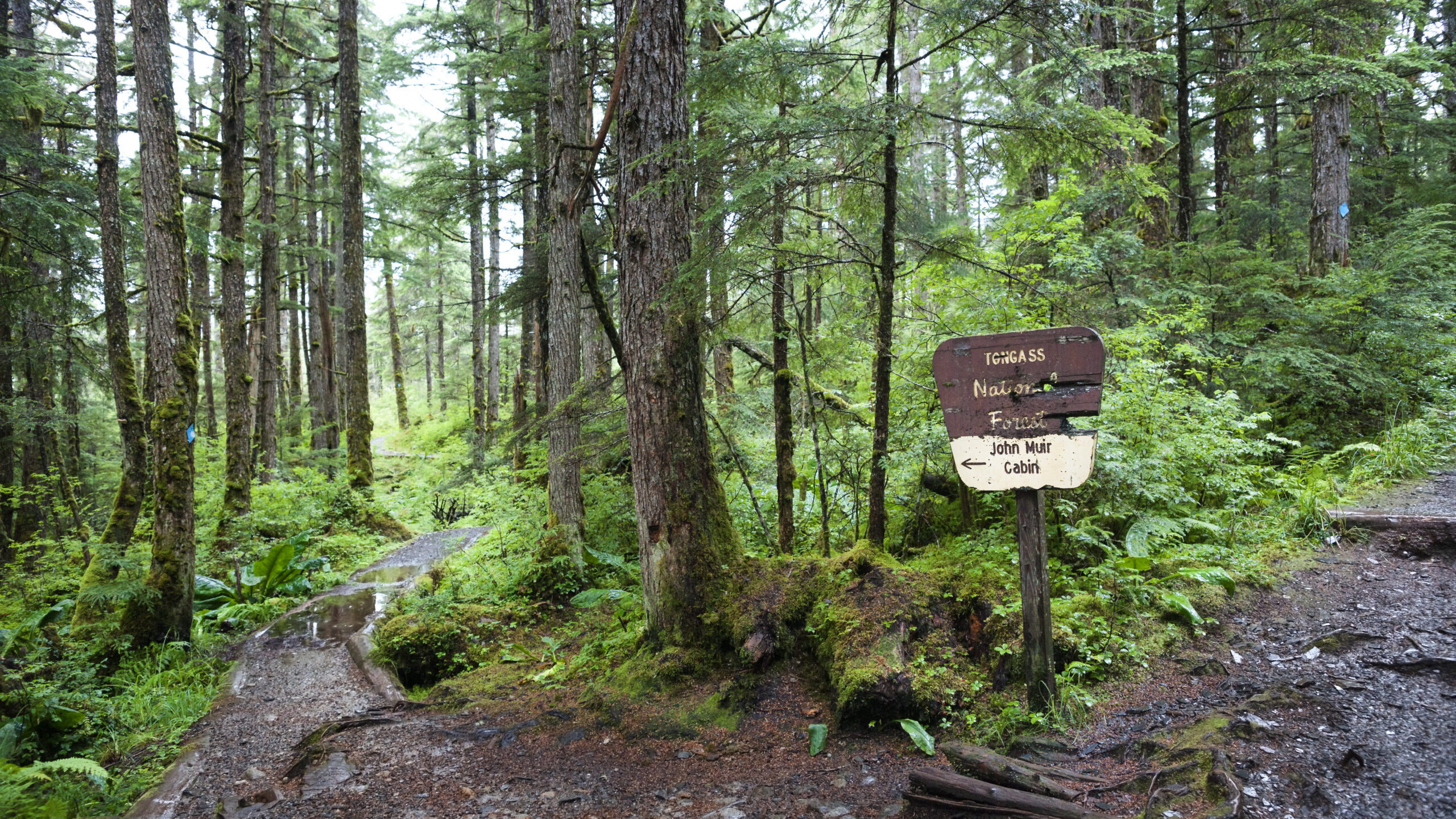
Most are part of larger ecosystems, directly adjacent to better known national parks. Removing Roadless Rule protections would erode ecological buffers to these famous lands. For some species, these zones protect critical core habitat. Over half the suitable habitat for the critically imperiled slender salamander occurs in a roadless area. Nearly 40 percent of the lodgepole chipmunk subspecies also lives in these protected zones. Research shows every formal area provides habitat for at least two species of conservation concern, with some supporting up to 62.
These areas also protect watersheds supplying drinking water to 47 million Americans. Without protection, long-term hydrological sustainability could be compromised if roads block stream flow and increase sediments flowing into waterways. Higher water purification costs would result. The Forest Service’s Watershed Condition Framework uses road density as a key indicator of disrupted water quantity and quality.
The administration’s proposed rollback, expected in 2026, would open wild places to development. Public comments overwhelmingly oppose rescinding the rules, reaffirming that these forests remain vital. Protecting them promotes healthy ecosystems so future generations can enjoy hiking, hunting, and fishing.
Source: Ars Technica · Summarized by HeadlinesBriefing