
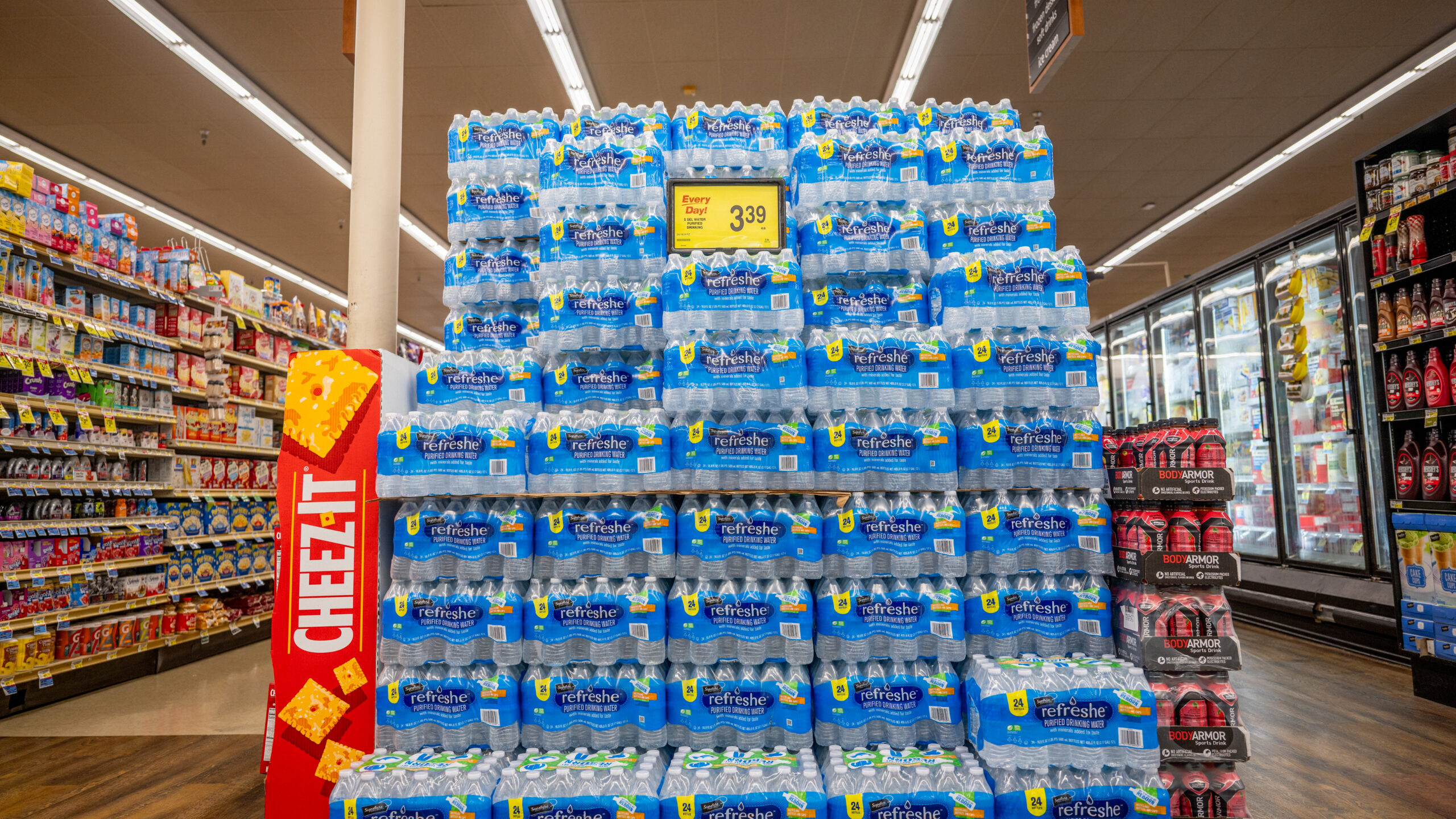
Plastics are prized for being chemically inert, meaning bags, food containers, and cups do not react with what they hold. Yet they can break down into microplastics, which have been found in drinking water, human blood, arteries, and brains. The health consequences remain uncertain. "Whether microplastics can directly cause human disease is still being researched," said Wei Min, a chemist at Columbia University.
In a new Nature study, Min's team showed that microplastics are likely not as chemically inert as expected. The lab has spent years studying microdroplet chemistry, where water broken into tiny droplets behaves differently at its boundary with air. These droplets have been reported to generate reactive oxygen species, or ROS, harmful oxygen-containing molecules that can damage proteins, lipids, and DNA. Many animal studies have linked microplastic toxicity to oxidative stress caused by ROS, which prompted the team to ask whether the boundary between water and plastic might produce similar effects.
In the first test, the team stirred polystyrene powder into water containing methyl orange, a yellow dye that ROS break apart. Over 10 days, the solution faded to nearly colorless, losing nearly 90 percent of the dye. In ethanol or other solvents, the dye stayed intact, suggesting the reaction requires water. Further tests using electron spin resonance detected hydroxyl radicals, a highly reactive form of ROS, in the polystyrene and water mixture.
The effect was not unique to polystyrene. All six common plastics tested, including polyethylene, polypropylene, PVC, PET, and acrylic, generated radicals. The most water-repellent plastics, polyethylene and polypropylene, were the most active. Simulations suggested these surfaces disrupt the hydrogen-bond structure of nearby water, lowering the energy needed to form radicals. Researchers still need to rule out contamination before drawing firm conclusions.
Source: Ars Technica · Summarized by HeadlinesBriefing