
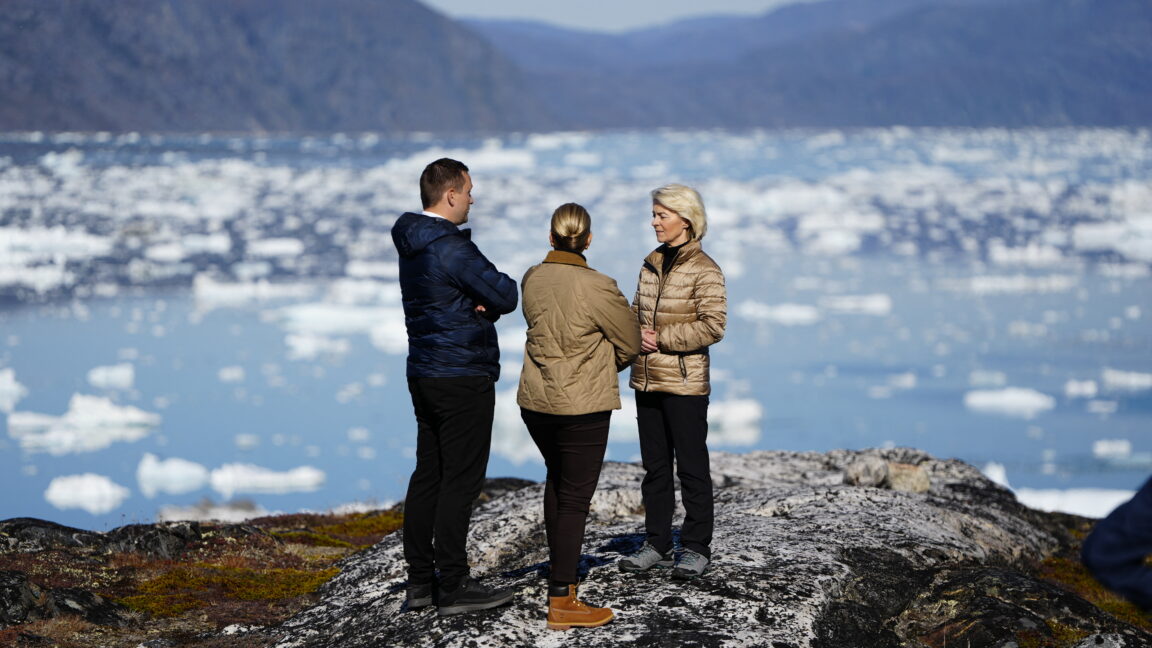
The European Union plans to build the Pan-Arctic Cable, the first subsea Internet link directly connecting Europe to Greenland, bypassing the United States. Announced in a European Commission joint communication on October 20, 2026, the flagship project could extend to Canada and eventually link Japan and South Korea, supporting “a sovereign, secure and resilient submarine cable connection.”
The initiative gained momentum after the Trump administration’s attempts to claim Greenland were resolved via a trilateral security agreement in September 2026, preserving Greenland’s autonomy within the Kingdom of Denmark while expanding U.S. military access. Relations have since frayed over trade wars and a perceived pro-Russia stance on Ukraine. Elisabeth Braw of the Atlantic Council noted the project reflects shifting geopolitical trends.
Over 90 percent of Europe-Asia communications traverse Red Sea cables, now threatened by Houthi attacks in the Bab el-Mandeb Strait. The EU has invested $119 million (107 million euros) via the Connecting Europe Facility Digital program. Challenges include the need for more icebreakers to install and maintain cable in Arctic waters.
A prior Russian-route project, Arctic Connect, halted in May 2021. Meanwhile, Norway’s Bulk Infrastructure Group AS seeks a Canadian partner for the Leif Erikson system, a separate transatlantic cable to Canada.
Source: Ars Technica · Summarized by HeadlinesBriefing