
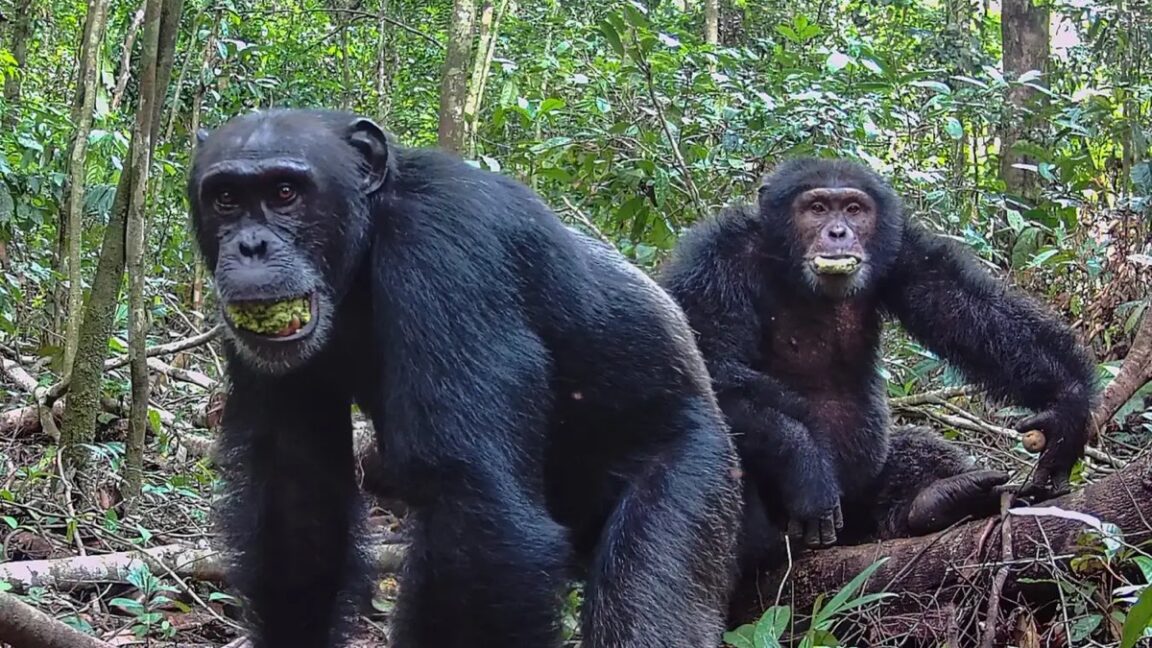
Researchers studying a Ugandan chimpanzee community documented a dramatic split into hostile factions that culminated in lethal attacks against rival members. The study, published in Science, identifies three key catalysts for the conflict. First, unexplained deaths of five adult males and one female in 2014 weakened the social structure. Second, a new alpha male emerged from a different cluster in 2015, coinciding with the first sustained separation. Third, a severe respiratory outbreak in 2017 killed 25 chimps, accelerating the final division. Science DOI 10.1126/science.adz4944 details how these events fractured the social network. The findings highlight how demographic losses, leadership changes, and disease can drive group fragmentation and violence in primates, offering insights into the roots of human societal conflict.
This research underscores the vulnerability of complex social structures to cascading failures. The loss of key individuals disrupts established relationships and power dynamics, creating opportunities for new leaders to emerge and challenge the status quo. The respiratory outbreak acted as a final stressor, overwhelming the group's resilience. Scientists emphasize that such dynamics, observed in chimpanzees, mirror patterns seen in human societies, where similar pressures can fuel polarization and violence. The study suggests that understanding these primal triggers is crucial for addressing group-based conflicts in our own species.
The paper concludes that while human societies possess unique cultural tools for cooperation and reconciliation, the underlying biological and social mechanisms driving group division and aggression are deeply rooted. It offers a sobering perspective: if chimpanzees can engage in lethal conflict driven by social and demographic factors alone, without language or ideology, then human conflicts may be driven by similarly fundamental forces. This research provides a crucial baseline for studying the evolution of cooperation and violence, urging us to examine the small, daily acts of reconciliation that might mitigate societal divisions.
Science, 2026. DOI: 10.1126/science.adz4944
Source: Ars Technica · Summarized by HeadlinesBriefing