
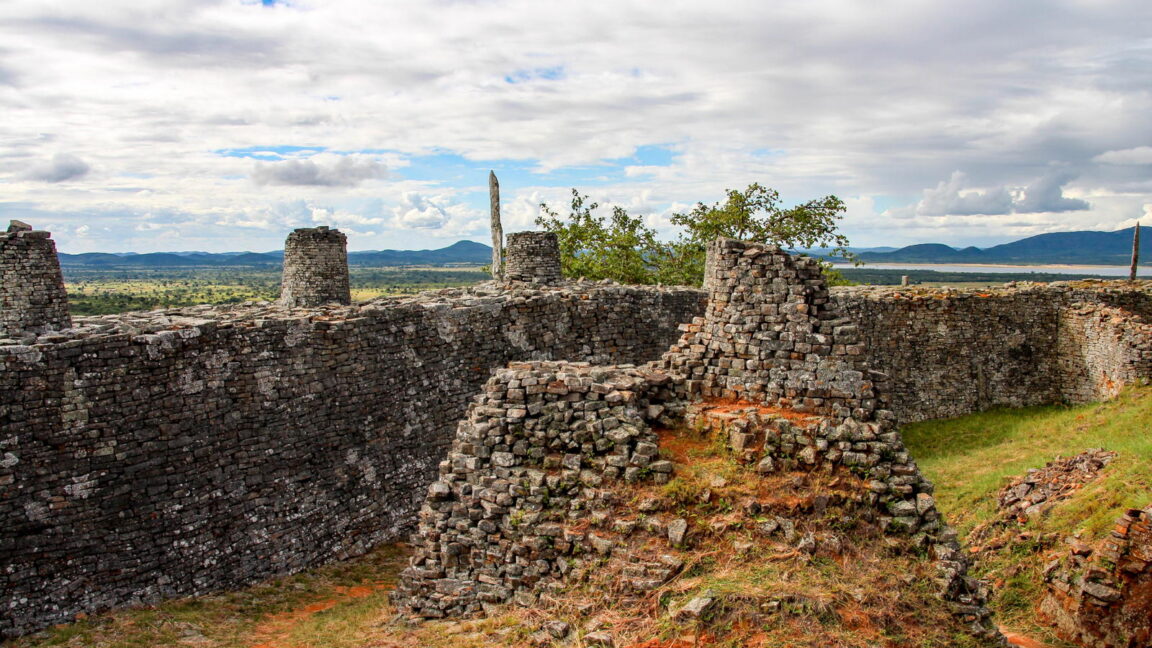
Genetics and archaeology reveal how Bantu speakers spread across much of Africa, transforming the region. The dry-stone wall ruins of Great Zimbabwe stand as a lasting legacy of these migrating peoples who moved from western Africa. At sites near the city's stone ruins, clusters of iron-smelting furnaces survive as mounds of rubble.
Research points to an adaptable and innovative group from western Africa as the masterminds behind this expansion. Known as Bantu speakers, these communities began gradually expanding across the continent's southern half starting 6,000 to 4,000 years ago. In doing so, they introduced a sedentary way of life characterized by farming, livestock, pottery, and metalworking to regions previously dominated by hunter-gatherers.
This migration transformed the region's history, technology, and languages. Today, around 350 million Africans speak one of roughly 500 distinct Bantu tongues, from Zulu to Swahili. And at least as many Africans, as well as many African Americans and Afro-Latinos, carry Bantu ancestry in their DNA.
Reconstructing this expansion has been challenging due to sparse written records and limited funding. However, a unique blend of linguists, archaeologists, and geneticists have teamed up to uncover clues about the deep origins and path of the Bantu-speaking people. Although debate remains, the work is uncovering one of history's largest and longest human migrations.
It completely reshaped the demography in sub-Saharan Africa, and researchers are interested in understanding it. The first evidence came from similarities among Bantu languages, so alike that a Portuguese crew member could reportedly communicate with locals in southeastern Africa after spending time in west-central Africa.
Source: Ars Technica · Summarized by HeadlinesBriefing