
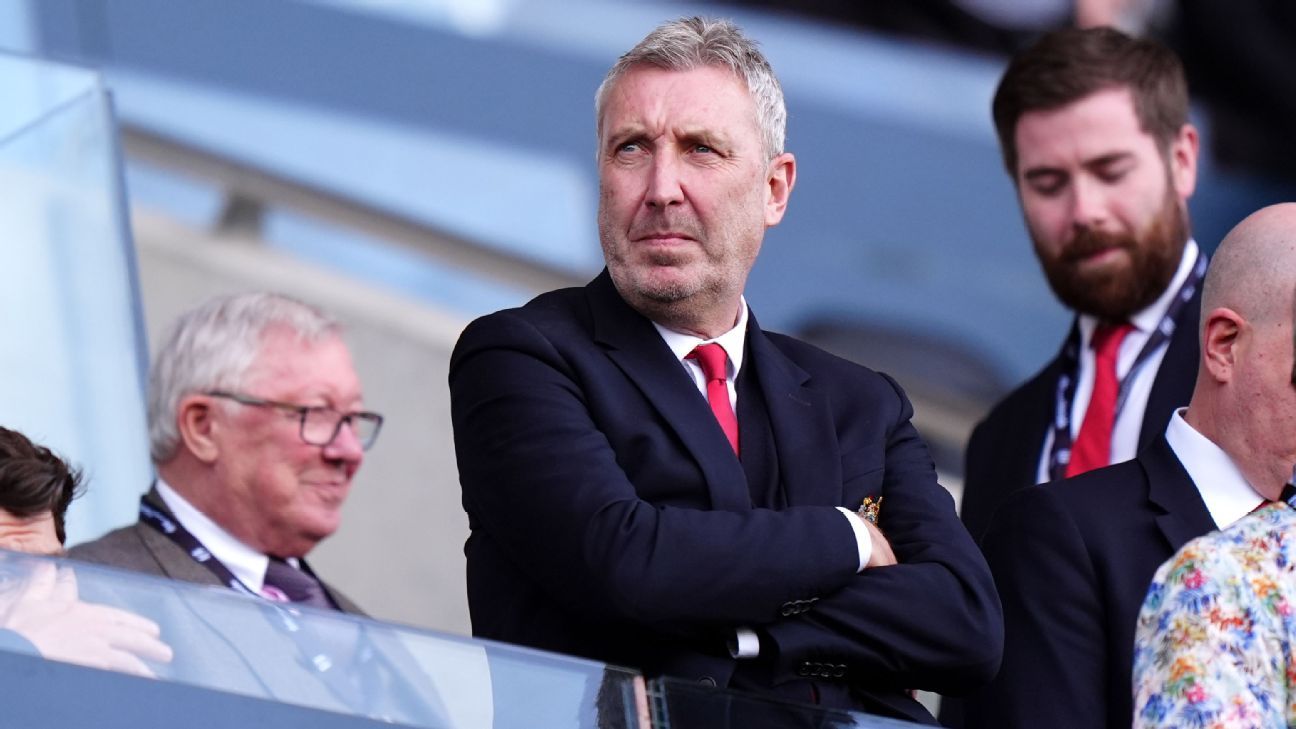
Lisandro Martínez's extraordinary post-match outburst to Amazon Prime after Manchester United's 2-0 defeat at Atlético Madrid highlighted an arrangement that has served the Premier League's sporting executives rather well: they are influential in picking a club's manager and building the squad, yet are nowhere to be seen when the team struggles.
Martínez's comments were an unusually explicit exercise in finger-pointing, and he has since apologized. While players have long criticized their own performances, the manager or head coach has often been the thinly disguised target. Martínez went further, questioning why United showed a lack of "ambition" in the transfer market and all-but-naming director of football Jason Wilcox as the main culprit. "I expect more from our technical director," Martínez said, asking: "You start changing, changing, changing manager, but what about other areas?"
Manager Michael Carrick was spared criticism; instead, the finger was pointed "upstairs." Wilcox remains responsible for player recruitment and squad construction. Beyond whether the criticism was justified, the episode raises pointed questions. Why did it take a center back to publicly demand answers from a director of football? Should the executives who build Premier League squads also be required to face the media regularly? And why has their absence been accepted for so long?
Public scrutiny was once reserved for managers such as Sir Alex Ferguson and Arsène Wenger, who controlled nearly everything in the 1990s. Today, those in charge on the pitch are often disconnected from the commercial, financial and recruitment side of the club because of the rise of the sporting executive, a concept rooted in continental Europe.
Source: ESPN Soccer · Summarized by HeadlinesBriefing