
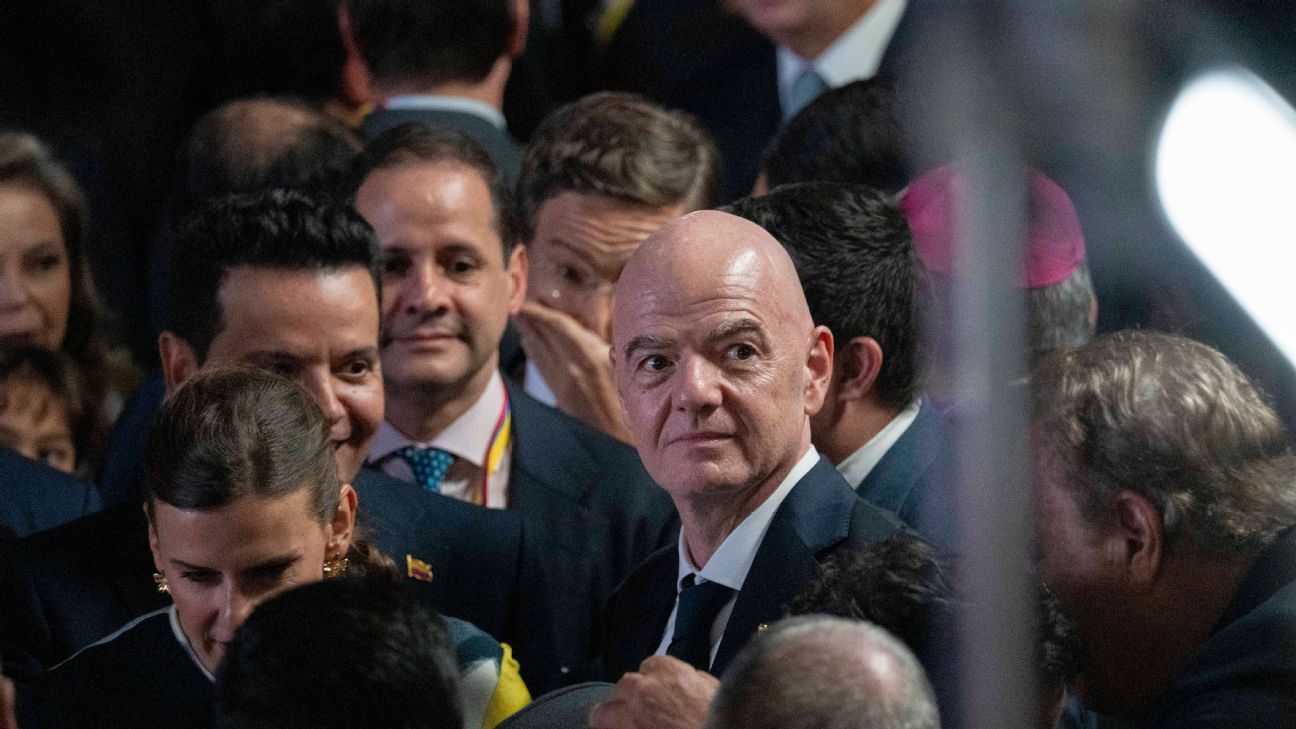
Gianni Infantino’s plan to spin off FIFA’s commercial arm and sell a stake to Josh Kushner through the FIFA Forward Enterprise sparked backlash across the organization. UEFA, CONCACAF, the Asian Football Confederation and even FIFA’s COO Kevin Lamour condemned the proposal, with UEFA threatening a boycott of upcoming competitions. Infantino withdrew the plan on Aug. 1, but the controversy has intensified ahead of the March 18 FIFA elections, prompting opponents to seek his removal now. They are weighing options such as resignation, ethics complaints filed by Fair Square, or a vote of no confidence, which would require at least 43 member nations to request an Extraordinary Congress and then a simple majority three months later. Many smaller federations, reliant on FIFA funding, are hesitant to cross the incumbent, preferring to wait for the March ballot where blocs like UEFA (55 members), AFC (46) and CONCACAF (35) could theoretically outweigh his support but may not vote uniformly. In a role‑play summary, Infantino would tout record World Cup revenues, tournament expansions, and reinvestment in member associations, warning that executives from North America, Europe and Asia care only about their own interests. Opponents counter that the revenue surge is due to market expansion, that FIFA would profit without him, and that his autocratic style and political entanglements violate the organization’s neutrality and good governance. Any move to a 64‑team World Cup could also backfire financially, splitting the pie thinner and hurting qualifying revenue in regions like South America.
The FIFA Ethics Committee has yet to act on complaints, and the vote‑of‑no‑confidence route would not be resolved until November at the earliest, giving Infantino time to regroup and possibly secure sweeteners for key voters. Many member associations, fearing retaliation or loss of funding, prefer to stay neutral and let the March elections decide the leadership contest.
Infantino’s opponents continue lobbying, while Infantino aims to shore up his base by highlighting past financial successes and warning against external interests that might undermine the organization’s reinvestment model.
The debate over expanding the World Cup to 64 teams remains contentious; while it could add matches, it would also dilute revenue and disrupt lucrative qualifying tournaments in South America, making it a risky political and financial proposition.