
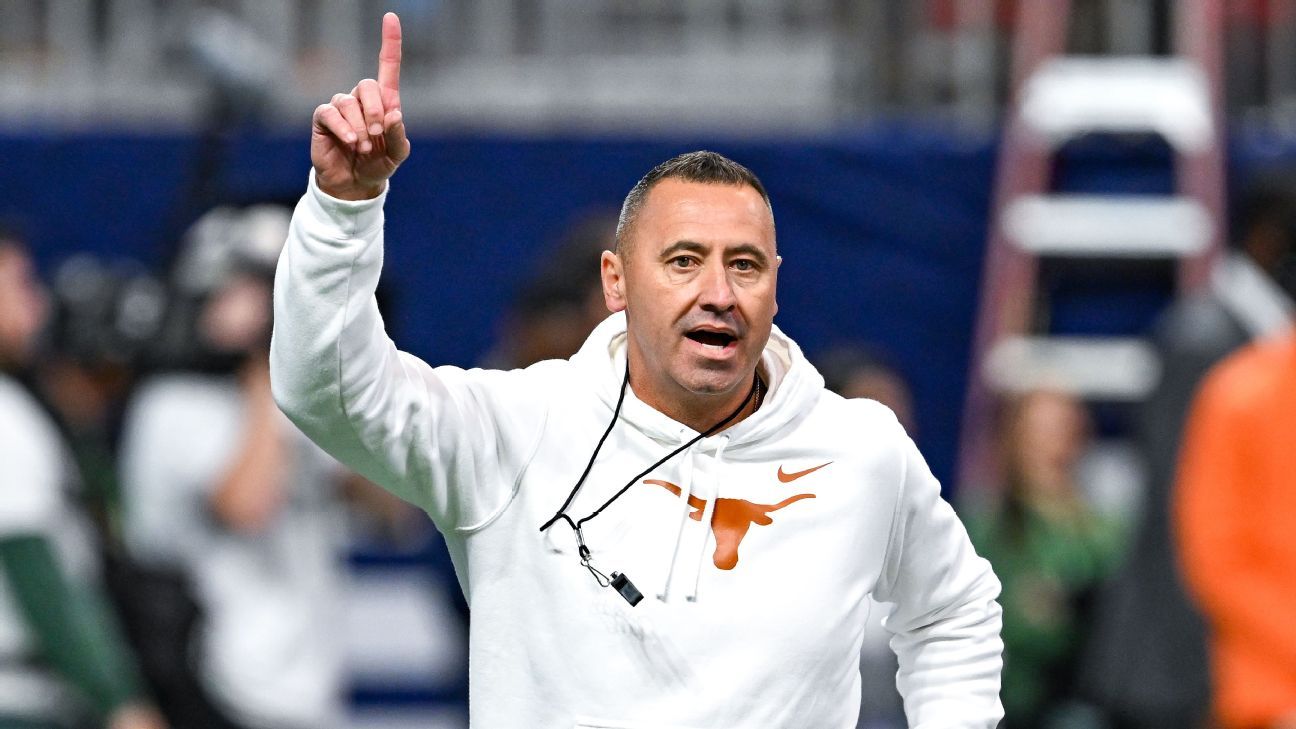
Texas coach Steve Sarkisian faced backlash Tuesday for comparing Ole Miss academics to basket weaving, reigniting tensions between SEC rivals. In a USA Today interview, Sarkisian said, "All you have to do is take basket weaving, and you can get an Ole Miss degree," emphasizing Texas’ rigors: "We’ll only take 50% of a player’s credit hours." Ole Miss AD Keith Carter declined comment, but the jab echoes LSU coach Lane Kiffin’s prior remarks. First-year Florida Gators coach Jon Sumrall, a former Ole Miss assistant, quipped on X: "Grateful to coach at a top 10 public university that also offers advanced basket weaving!"
The exchange stems from Kiffin’s controversial Vanity Fair interview, where he cited racial narratives affecting recruiting: "Some Black parents didn’t want kids in Mississippi." Kiffin later apologized, calling his comments "factual" but not malicious. His LSU contract—a $13 million annual deal—contrasts with Ole Miss’ demographic makeup (66% white, 26% Black) versus Baton Rouge’s 52% Black population. Ole Miss fans criticized Kiffin’s remarks, while Sarkisian’s comments highlight ongoing SEC debates about academic integrity and recruiting ethics.
The SEC’s spring meetings (May 26-28 in Florida) may address these tensions. Texas’ 50% credit-hour rule and Ole Miss’ academic flexibility could shape future recruiting battles. Meanwhile, demographic shifts—like Baton Rouge’s racial diversity—underscore broader cultural divides influencing college sports. Coaches’ jabs, while fiery, reflect deeper struggles to balance tradition, equity, and competitive edge in modern football.
SEC rivalries thrive on intensity, but academic standards and cultural perceptions increasingly define program reputations. As spring meetings approach, expect heightened scrutiny on policies like Texas’ credit-hour limits and Ole Miss’ academic flexibility. For now, the basket weaving debate serves as a stark reminder: in college football, perception often shapes legacy as much as wins and losses.
Source: ESPN General · Summarized by HeadlinesBriefing