
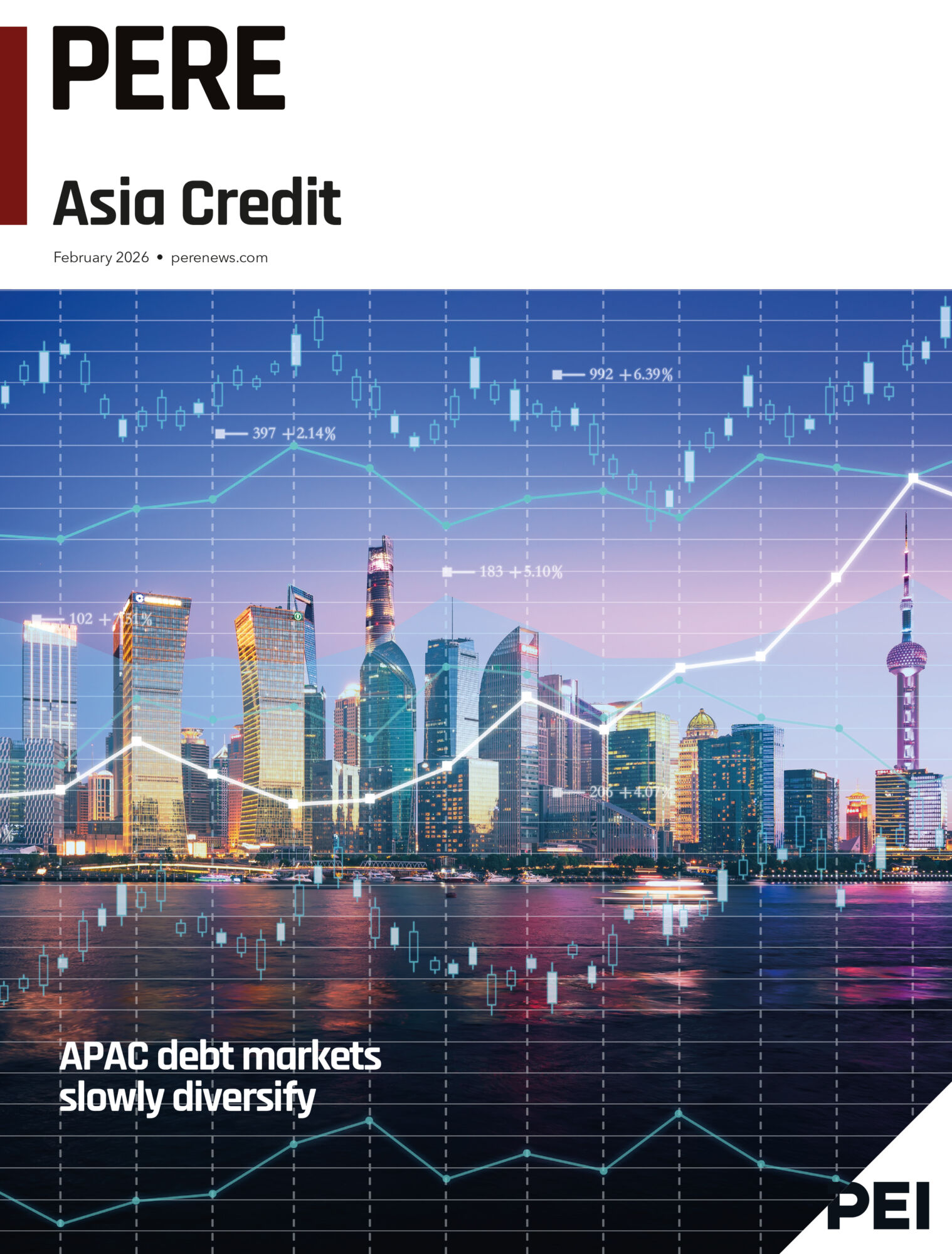
PERE's 2026 Asia Credit Report reveals how private capital is transforming the APAC property lending landscape as traditional banks retreat. This shift creates opportunities for alternative lenders to fill the void, reshaping the financing dynamics of the region. The report suggests that alternatives lenders are increasingly stepping in to provide the liquidity that banks are pulling back from, particularly in sectors like real estate. This trend is driven by several factors, including stricter regulatory environments and banks' reduced risk appetites.
The report also highlights concerns over sustainability-linked loans, noting that they face credibility risks. As environmental, social, and governance (ESG) factors gain traction, the credibility of these loans is under scrutiny, affecting their appeal to investors. This issue is crucial as it impacts the overall attractiveness of green financing in the region. Experts from Ares Management provide insights on navigating these challenges, emphasizing the need for transparency and robust frameworks to build trust in sustainability-linked products.
Looking ahead, the analysis indicates that the trend of private capital filling the financing gap will continue, potentially reshaping the competitive landscape. Investors and lenders must adapt to these changes, focusing on credible ESG initiatives and innovative financing structures. The report serves as a vital resource for understanding the evolving dynamics in APAC property lending and the role of private capital in this transformation.
The implications of these shifts are far-reaching, affecting not just lenders and investors but also developers and property owners. As private capital becomes more prominent, it will influence project viability, financing terms, and risk management strategies. The report underscores the importance of staying informed about these developments to capitalize on emerging opportunities and mitigate risks in the APAC property market.
Source: PERE · Summarized by HeadlinesBriefing