
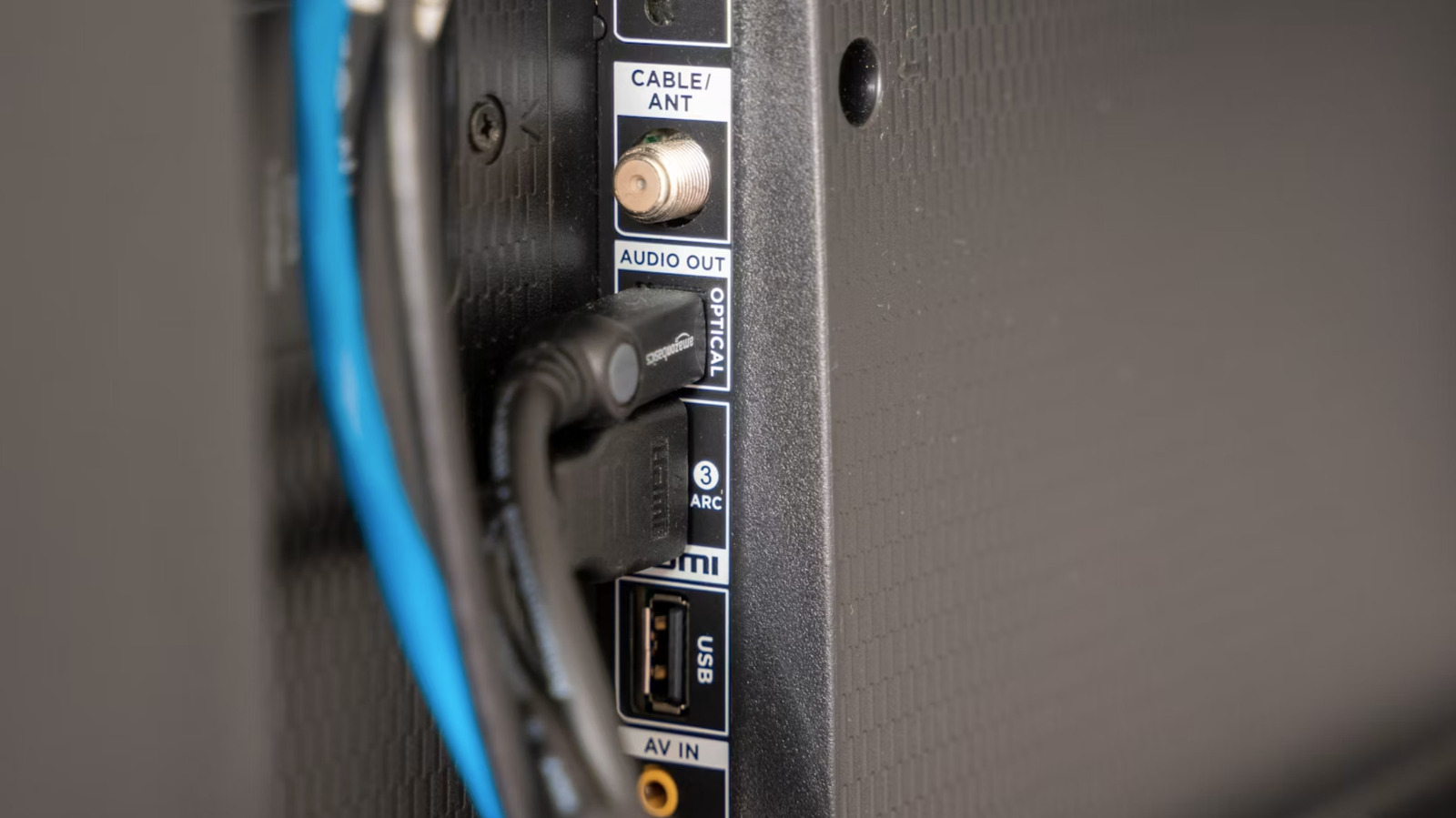
Modern smart TVs often feature overlooked USB ports that have been standard since 2010. Most sets include at least one USB-A connection, with newer models offering more versatile USB-C options. These ports provide functionality beyond HDMI connections, allowing users to power devices, access local media, and expand TV capabilities without needing additional hardware or internet connectivity.
TV USB ports enable multiple practical applications. Users can watch local content from flash drives supporting up to 2TB storage, play music directly from USB drives, and connect microphones for voice assistants or video calls. Some devices like the Amazon Fire TV Stick HD draw enough power from USB 2.0 ports to eliminate the need for separate adapters, simplifying setup.
Despite their usefulness, TV USB ports have limitations. File formats are restricted to FAT32, exFAT/NTFS for drives and MP4, AVI, MKV for videos. Using USB ports for static images risks burn-in on OLED displays. Charging phones through USB 2.0 ports takes approximately seven hours, making it impractical for most devices. Driver-dependent hardware like printers and scanners typically won't work with TVs.
Source: Engadget · Summarized by HeadlinesBriefing