
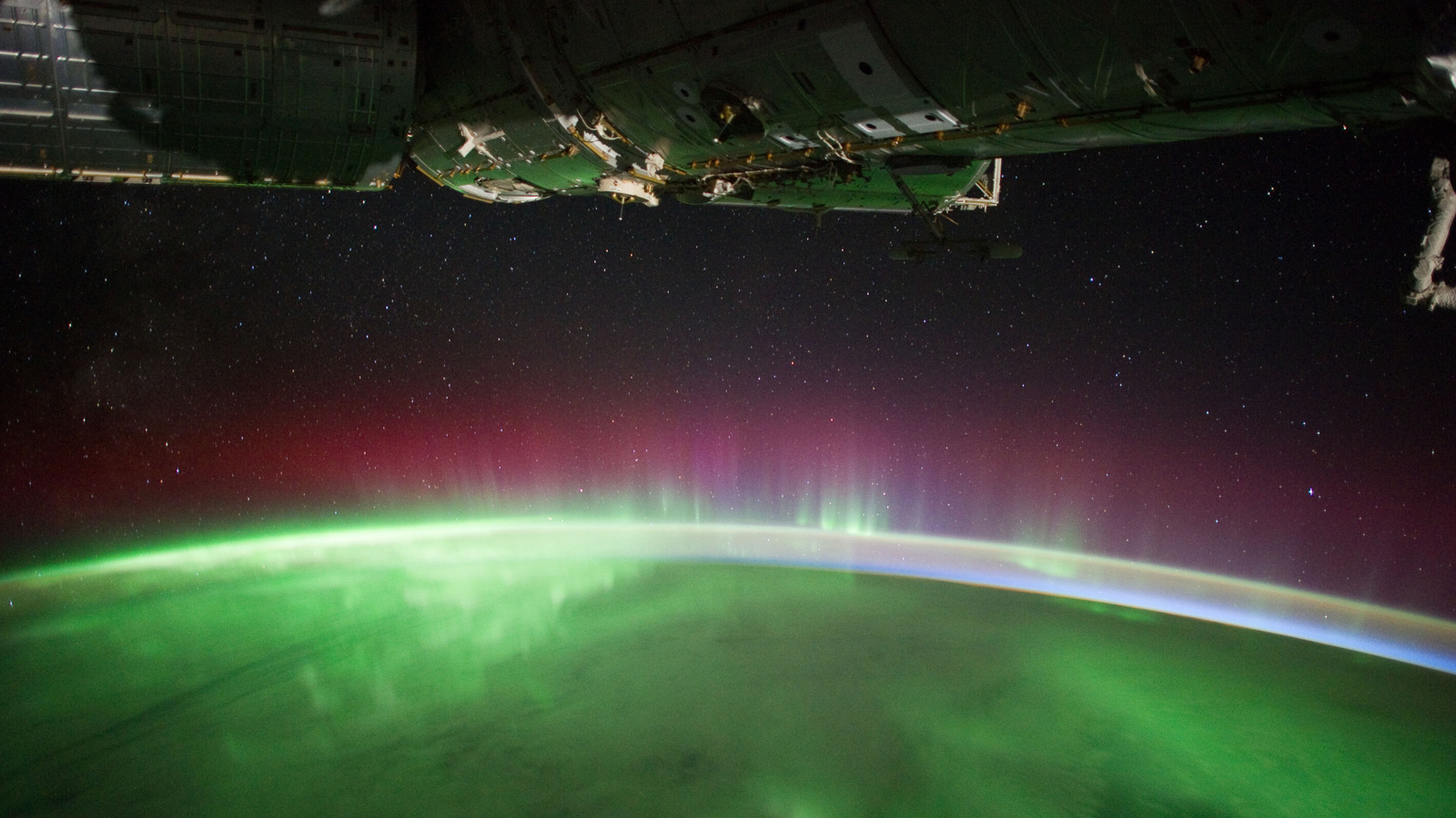
The aurora borealis might look beautiful, but solar storms carry real danger for our technological infrastructure. The 1989 Quebec blackout left six million people without power for nine hours after a geomagnetic storm overwhelmed the electrical grid. These events occur when the Sun's magnetic fields break and release energy into space, creating solar flares, radiation storms, and coronal mass ejections that can disrupt Earth's magnetosphere.
Power grids face the most significant risk from geomagnetically induced currents that travel through magnetic field lines toward the poles. These currents can overheat transformers and damage protective relays, with replacement taking years due to manufacturing constraints. High-latitude regions between 55 and 70 degrees are particularly vulnerable, especially where soil conducts electricity well.
Satellites aren't immune either, despite their protective shielding. High-energy particles can cause single event-upsets, flipping bits in computer chips and forcing spacecraft to suspend operations. Coronal mass ejections heat the atmosphere, creating drag that drops satellites by up to 2,000 feet and shortens mission lifespans. In 2022, a solar storm knocked 38 SpaceX internet satellites out of orbit.
The National Oceanic and Atmospheric Administration grades solar storms from one to five, with extreme events occurring less than five times per 11-year solar cycle. However, even moderate storms can cascade into major disruptions. AI industry executives should worry most about these cascading effects, as grid outages could devastate the power-hungry sector that's already straining electrical infrastructure.
Source: Engadget · Summarized by HeadlinesBriefing