
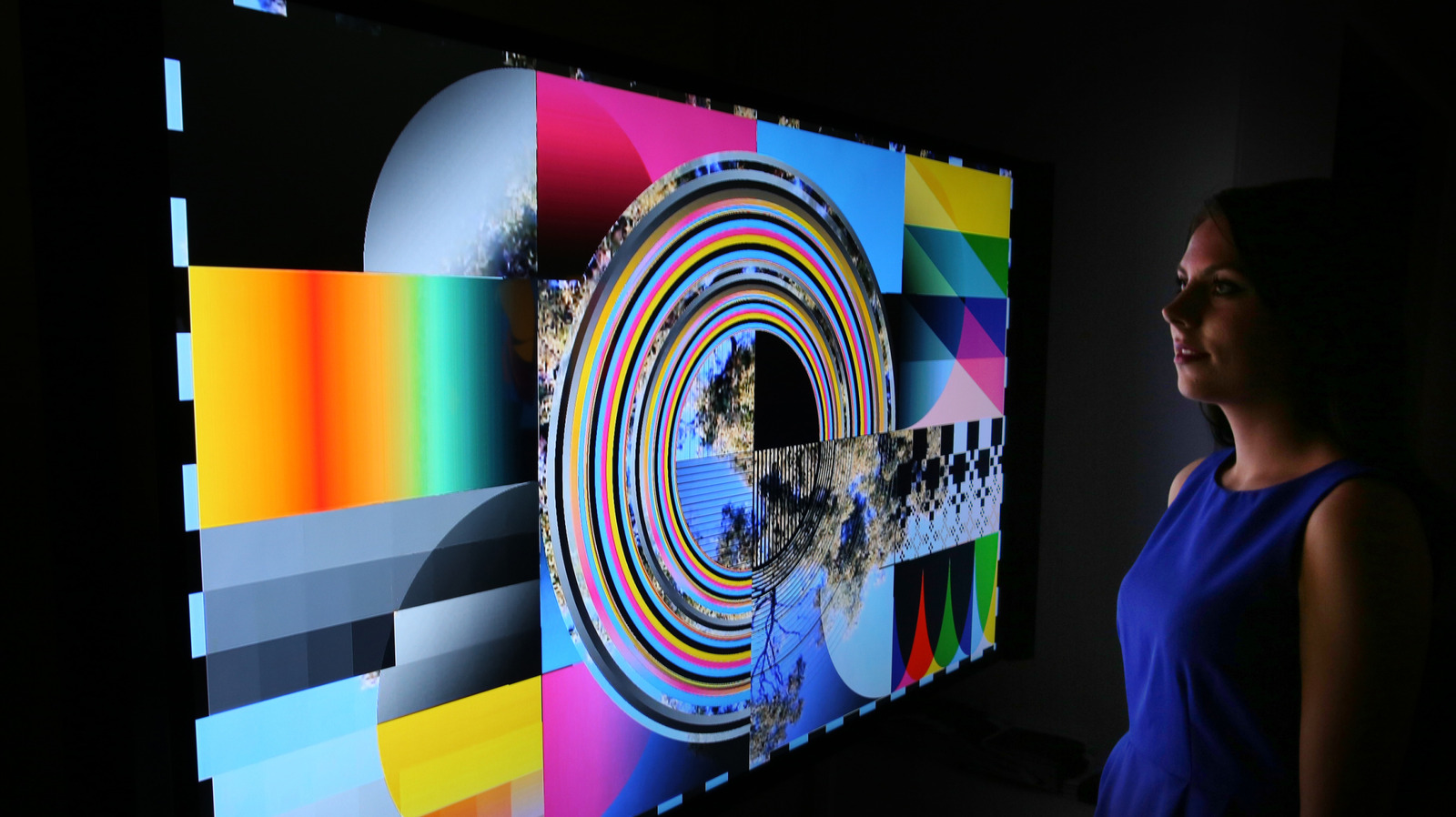
LG, Samsung, and Sony continue to warn users about OLED burn-in risks, though modern TVs include self-healing features to mitigate damage. Early OLED displays suffered from uneven pixel degradation, causing image retention when static elements like subtitles or logos remained on-screen. While newer models auto-adjust brightness and pixel shift, prolonged exposure to static imagery—such as paused content or channel logos—can still lead to permanent damage. For example, RTINGS’ tests showed subtitles caused burn-in after 7,100 hours of continuous viewing.
Despite advances, burn-in remains a risk for niche users. The source emphasizes that casual viewers who watch varied content—movies, sports, or changing TV menus—are unlikely to encounter issues. However, those constantly streaming the same channel or gaming without varying visuals face higher risks. LG’s website cautions that “image retention can occur if one tries hard enough,” highlighting that prevention is key. Features like automatic screensavers and panel refresh are standard but must be manually verified.
Prevention strategies include lowering brightness, enabling dark mode, and avoiding static wallpapers on OLED devices. For TVs, the source advises watching diverse content and using built-in pixel refresh tools if retention appears. Manufacturers stress that burn-in is rare for typical users but warn against complacency. While OLED tech has evolved, the core vulnerability persists: organic pixels degrade unevenly under sustained stress.
Burn-in remains a remote possibility for most consumers in 2026, but not a widespread crisis. The focus has shifted from existential threat to manageable risk, provided users follow preventive measures. For the average viewer, modern OLED’s benefits—deeper blacks and faster refresh rates—still outweigh the minor maintenance required to avoid permanent damage.
Source: Engadget · Summarized by HeadlinesBriefing