
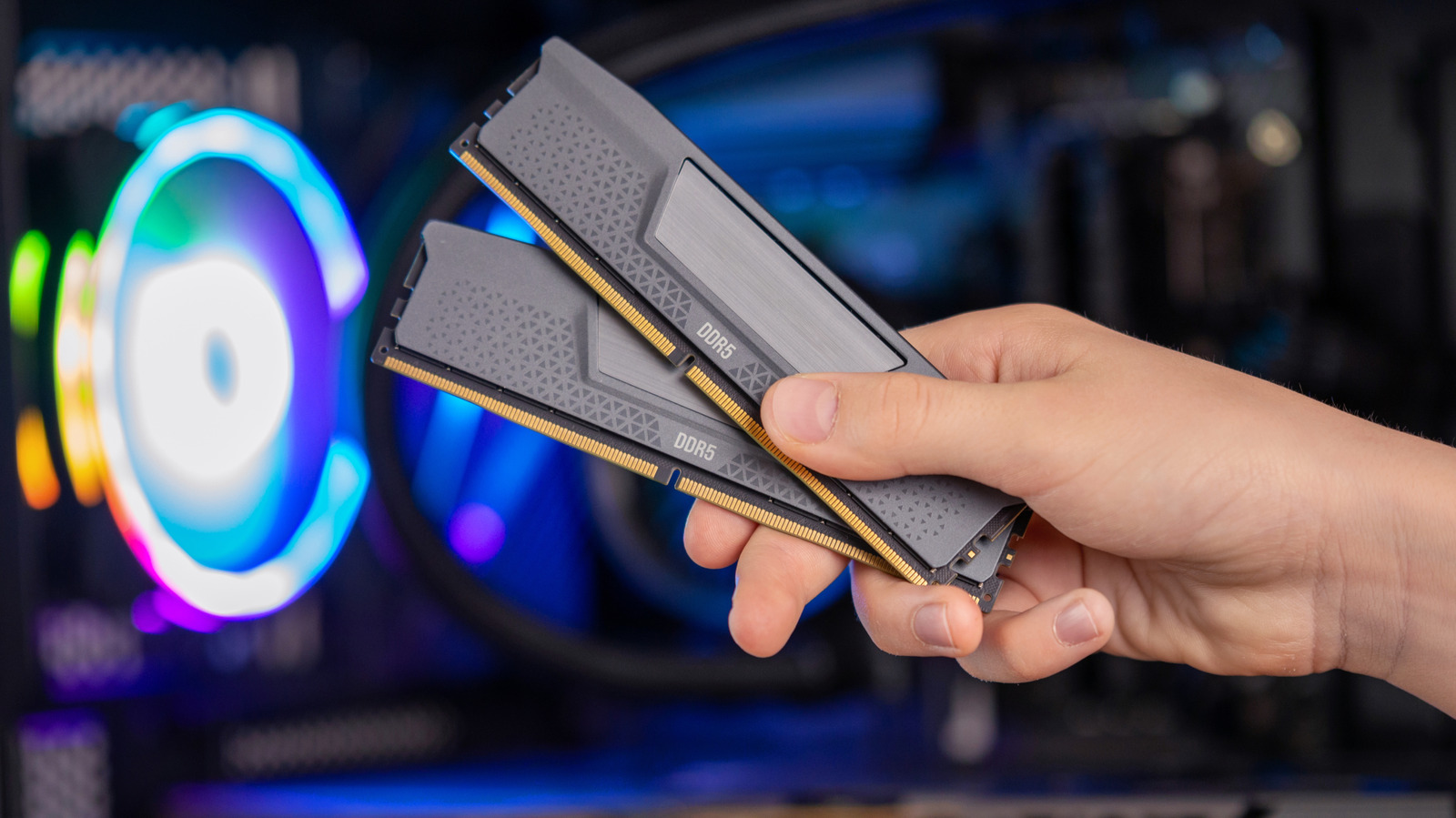
RAM prices have climbed sharply, and laptop makers are responding by shipping machines with less memory at familiar price points. Dell's XPS 13 with 8GB of RAM and 512GB of storage rose by $100 to $799, while the entry $699 model now comes with just 256GB of storage. Apple's MacBook Neo also rose from $599 to $699 in June, alongside other price increases.
TrendForce estimates that CPU, memory and storage now make up 68 percent of a mainstream laptop's bill of materials, up from roughly 15 percent for memory and storage alone. The firm expects manufacturers to cut memory further next year to protect margins. Demand from AI data centers is a major driver, and Micron recently wound down its Crucial consumer RAM and SSD brand to redirect supply to larger customers.
Engadget's testing suggests 8GB is a poor choice for everyday use. In the Dell XPS 13 (2026) review, the base model had 80 percent of its memory committed to background processes after Windows booted, and a browser full of tabs pushed usage to 95 percent, causing noticeable lag. The Intel Core 5 320 in that model also shares a single memory channel, which further limits performance.
The 16GB configuration performed far better, scoring about 30 percent higher in PCMark 10 and lasting an hour and 44 minutes longer in the battery test. Upgrading the XPS 13 from 8GB to 16GB costs $200, bringing the price to $899 with 256GB of storage. That is a significant sum, but it is considerably less than replacing an underpowered laptop later.
Source: Engadget · Summarized by HeadlinesBriefing