
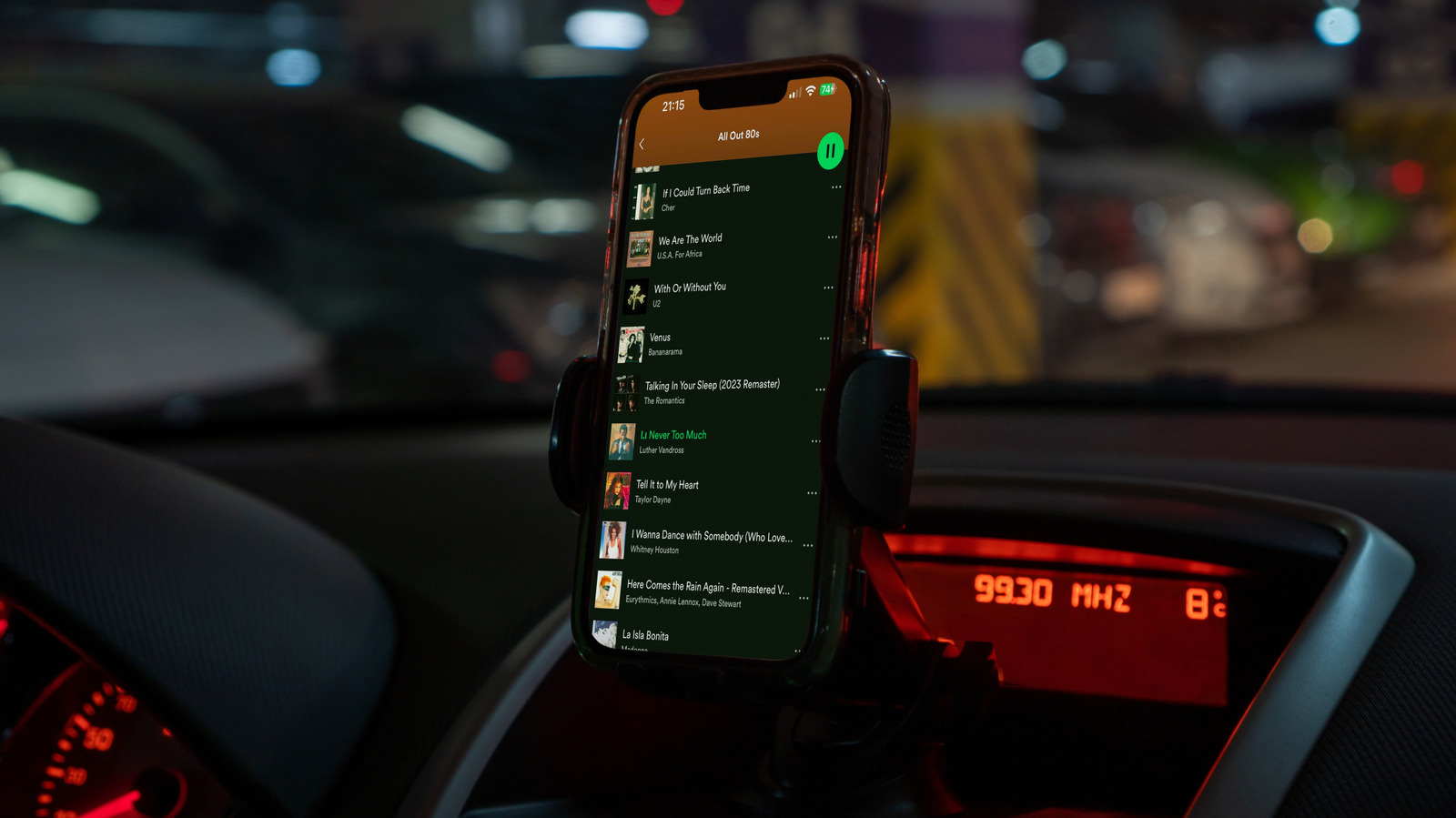
Drivers may be more distracted on days when a big new album drops. A new study by Harvard Medical School researchers found that traffic deaths in the United States jump by 15 percent in the immediate aftermath of a major music album's release. The study analyzed 233,809 fatal collisions between 2017 and 2022, comparing accident rates on album release days against the surrounding 10-day periods. Researchers cross-referenced federal crash data with Spotify's daily streaming charts, which showed a 43 percent surge in nationwide music streaming activity on release days for albums by artists like Taylor Swift and Drake.
Across the ten album release dates observed, researchers recorded roughly 182 additional fatalities compared to baseline levels. They counted 18.2 excess deaths for each day when music streaming surged, possibly because drivers were more likely to interact with their phone's music controls. While distracted driving has long been linked to accidents, this study highlights a narrower factor: the impulse to browse music streaming services on phones and increasingly through infotainment screens.
The researchers found that fatal accidents linked to increased music streaming were far more likely to occur on days with clear conditions. Sober drivers saw an adjusted surge of 13.9 excess fatalities on release days, while young and male drivers experienced the largest demographic uptick in fatal collisions. Single-occupant drivers were also more vulnerable, likely due to the absence of passengers who could manage music controls or provide engagement.
Modern car infotainment systems appear to amplify distracted driving. Even with voice assistants and simplified interfaces, the researchers believe these systems may lower barriers to interaction and create a false sense of security. Drivers were nearly twice as likely to be involved in fatal crashes on album release days. While the study cannot definitively prove causation, researchers hope their findings spark discussion about the safety implications of modern car infotainment systems.
Source: Engadget · Summarized by HeadlinesBriefing