
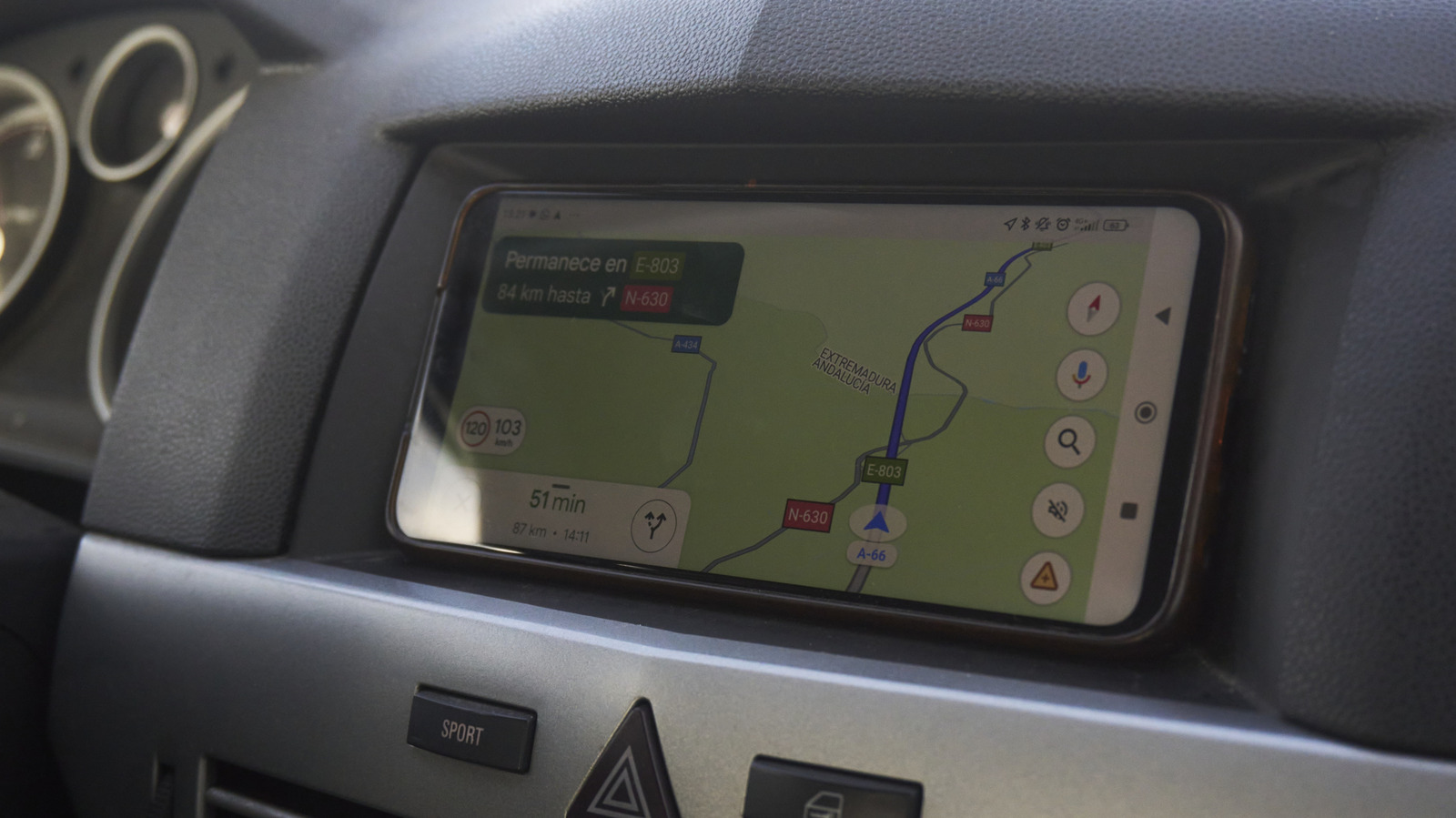
GNSS and GPS are often used interchangeably, but they are not the same. GPS is just one type of GNSS—specifically the United States' satellite navigation system. GNSS is the broader term that includes other global systems like Russia's GLONASS, the EU's Galileo, India's NavIC, and China's BeiDou.
Most modern smartphones use a multi-constellation GNSS receiver, even if the spec sheet only mentions GPS. This allows for more reliable positioning, especially in areas with poor satellite signal due to buildings, trees, or terrain. For example, the iPhone 17 lists "precision dual-frequency GPS" but actually supports multiple GNSS systems.
Your phone likely combines satellite data with Wi-Fi, cellular signals, and motion sensors to improve location accuracy. Google Maps and other navigation apps use GNSS along with internet-based map data and network signals to pinpoint your location, even indoors. While GPS remains the most commonly used term, GNSS is the more accurate description of the technology behind modern navigation devices.
Source: Engadget · Summarized by HeadlinesBriefing