
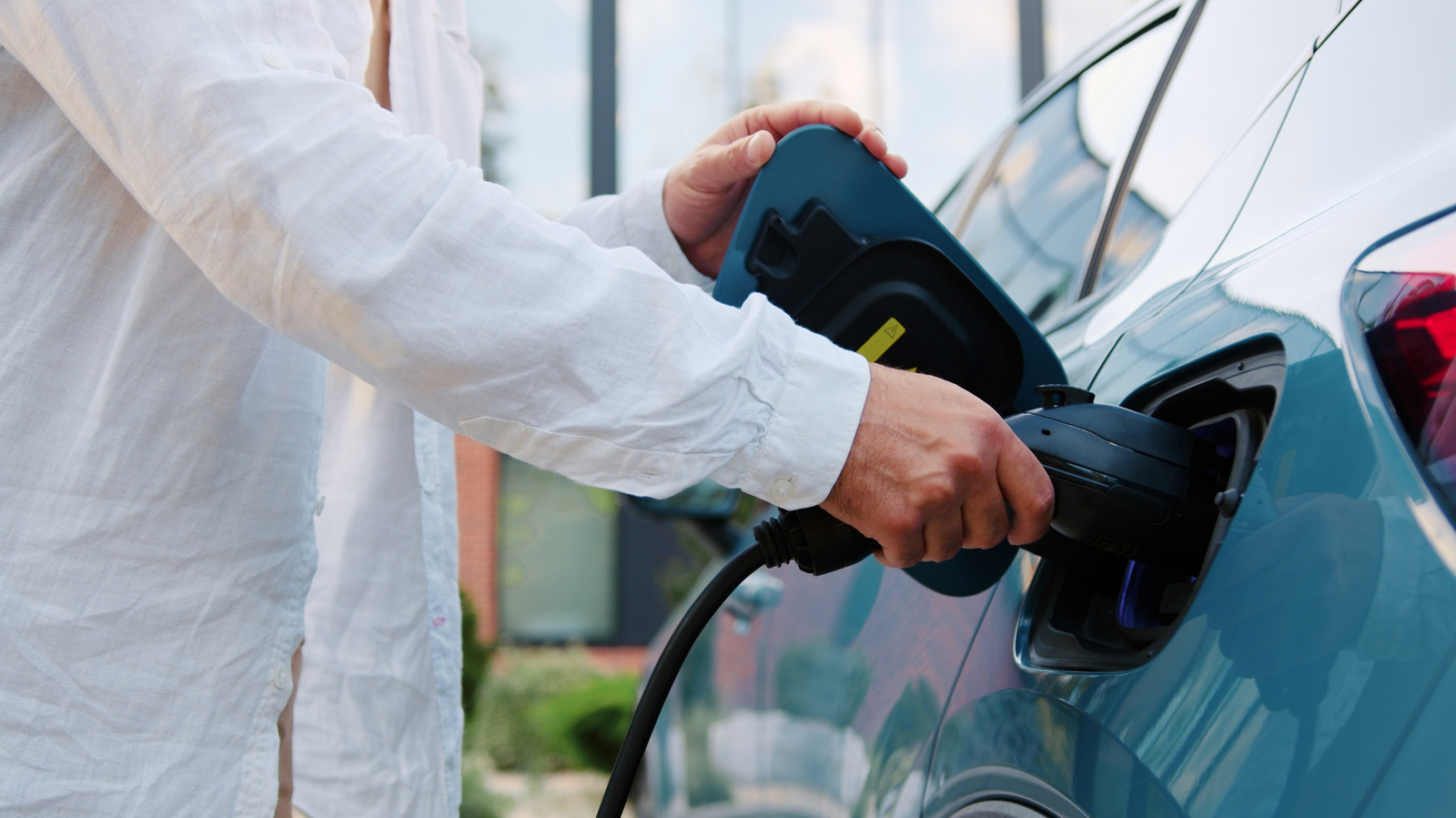
When the Tesla Model S launched in 2012, a full charge via household outlet took over 50 hours for 300 miles. The latest Model S can add 200 miles in 15 minutes at a Supercharger. However, charging speed significantly drops after 80 percent. Advertisements almost exclusively quote "10 to 80 percent" or "0 to 80 percent" times. This is because the first 80 percent is the fast part of the charge; the final stretch takes far longer.
The science behind this involves how lithium ions move inside the battery cell. Ions travel from the cathode to the anode during charging. Early in the process, there are many available spots in the anode graphite structure, allowing ions to settle quickly. As the anode fills, ions must squeeze past each other to find remaining empty spots, slowing the process. Past 80 percent, the car deliberately reduces current to prevent lithium plating, which can permanently damage the battery or cause short circuits. Manufacturers limit charge speeds to protect battery longevity.
BYD recently announced a battery technology claiming faster charging capabilities, though the article cuts off before detailing the specifics. The fundamental physics of ion movement remains the primary barrier to rapid full charges.
Source: Engadget · Summarized by HeadlinesBriefing