
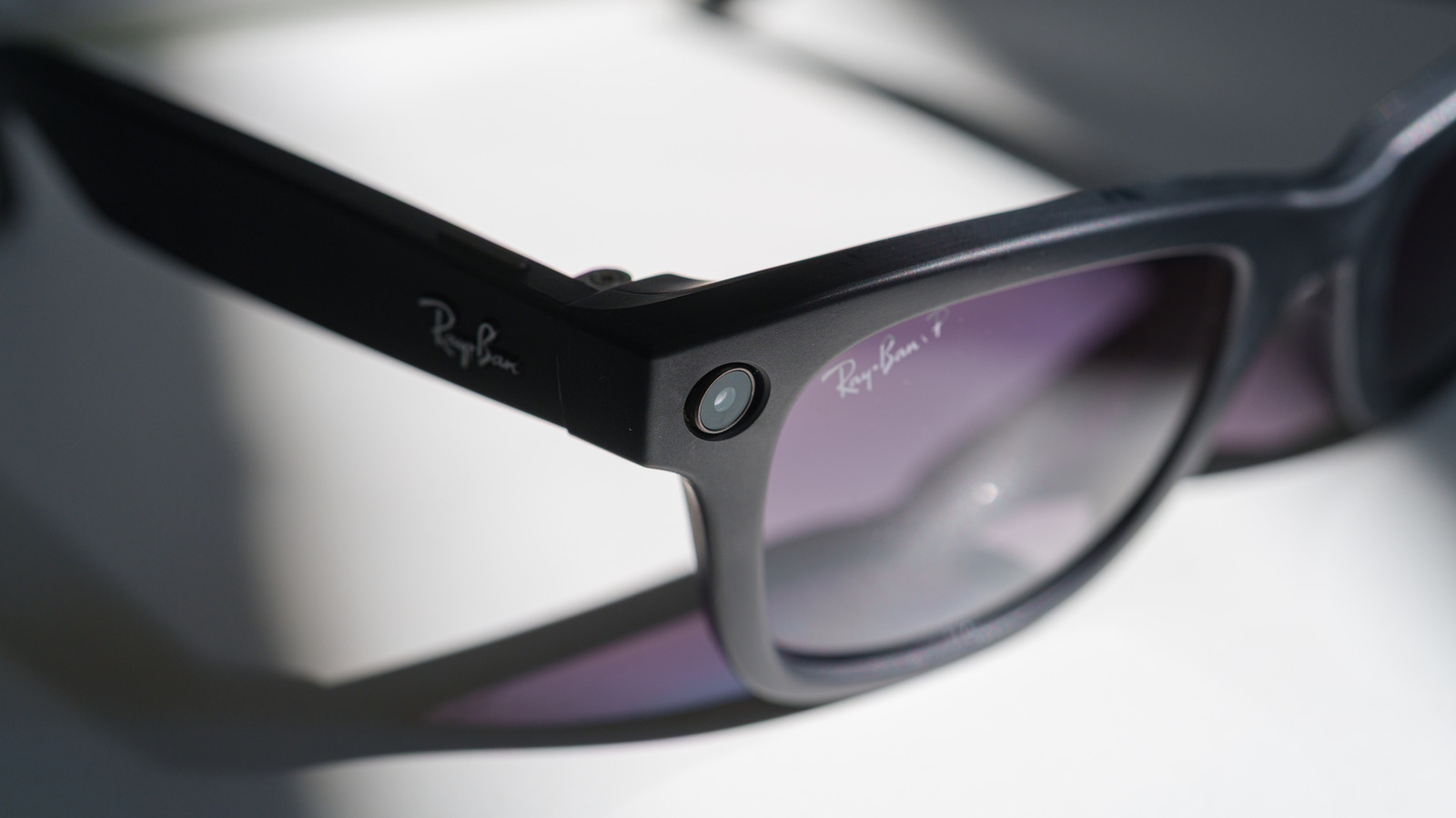
AI glasses have become a plausible reality, blending cutting-edge hardware with everyday use. While a 2026 Security.org survey found 25% of respondents likely to buy a pair, the technology faces significant hurdles. The primary drawbacks include privacy concerns, as built-in cameras can record without consent, and physical discomfort, such as eye strain similar to VR headsets.
These devices are popular among tech creators and seniors for accessibility, but the constant surveillance risk and high cost create hesitation for the average consumer. Furthermore, the technology's integration into surveyed societies raises questions about personal space and safety. Despite benefits for specific demographics, the wisdom of adopting AI glasses in 2026 depends heavily on daily use case and tolerance for privacy trade-offs.
Source: Engadget · Summarized by HeadlinesBriefing