
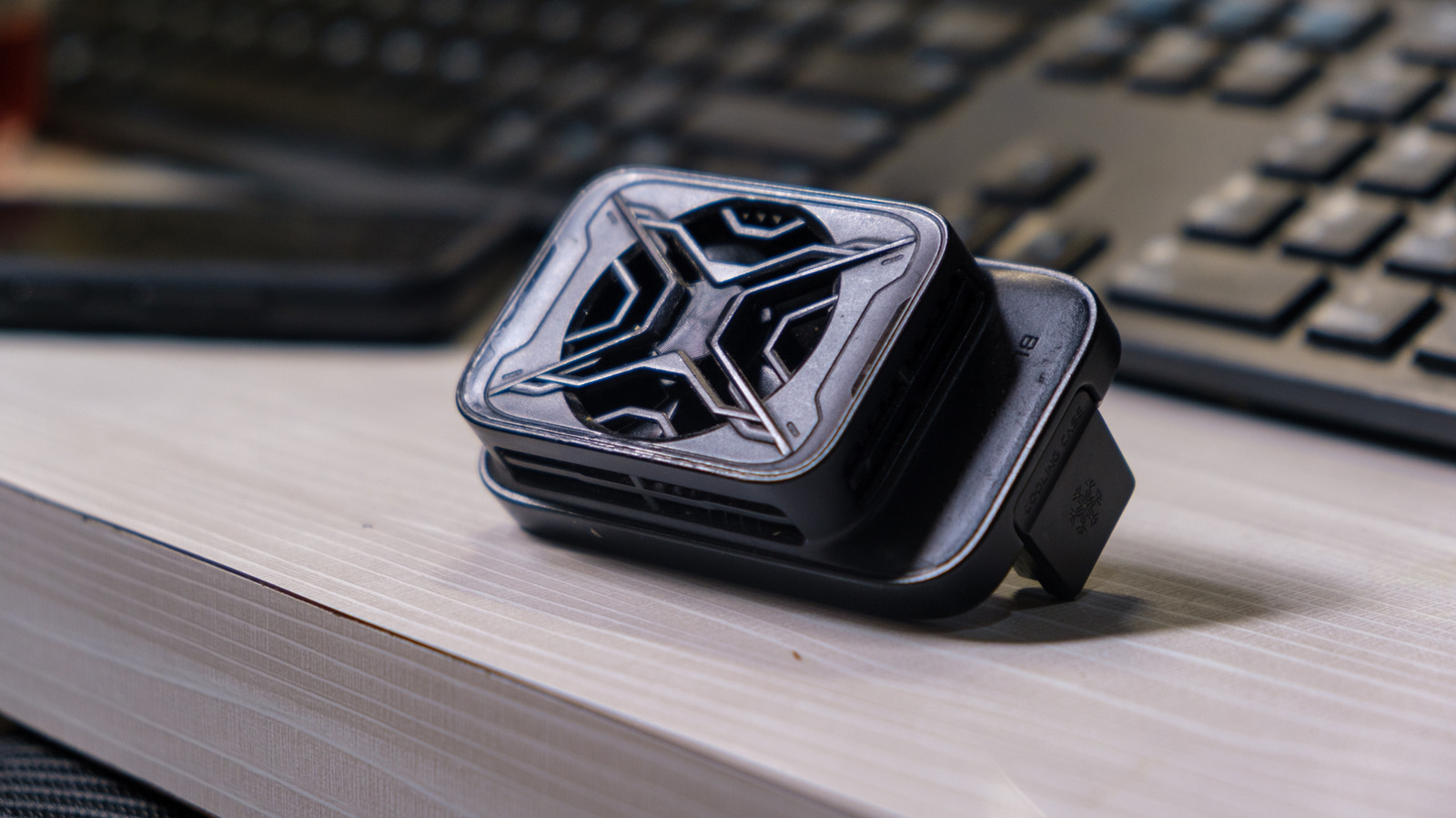
Phone coolers aren't snake oil but solve a problem most people don't have. Active cooling can help prevent heat from degrading sustained performance, though most users don't push phones hard enough for this to matter. Basic models circulate air, while thermoelectric coolers use cold plates; passive cases spread heat, and cooling apps only adjust workloads.
Heat causes CPU and GPU throttling, noticeable in games that slow as the phone heats up. Notebookcheck found 3DMark stability scores improved from 77% and 79.2% to 92.7% and 90.8% with the ASUS ROG Phone 8 Pro's Aero Active Cooler X. Coolers reduce lag only if heat is the cause—they won't fix Wi-Fi, server lag, or hardware limits.
Most people can avoid throttling by using AC vents, removing cases, avoiding sunlight, or not gaming while charging. Wireless charging runs hotter; some Galaxy phones pause USB PD charging during gaming. Only users with repeated throttling during extended workloads, like long gaming, livestreaming, video processing, or outdoor photography in heat, benefit from a cooler.
Otherwise, added weight, fan noise, cables, and grip interference make them unnecessary.
Source: Engadget · Summarized by HeadlinesBriefing