
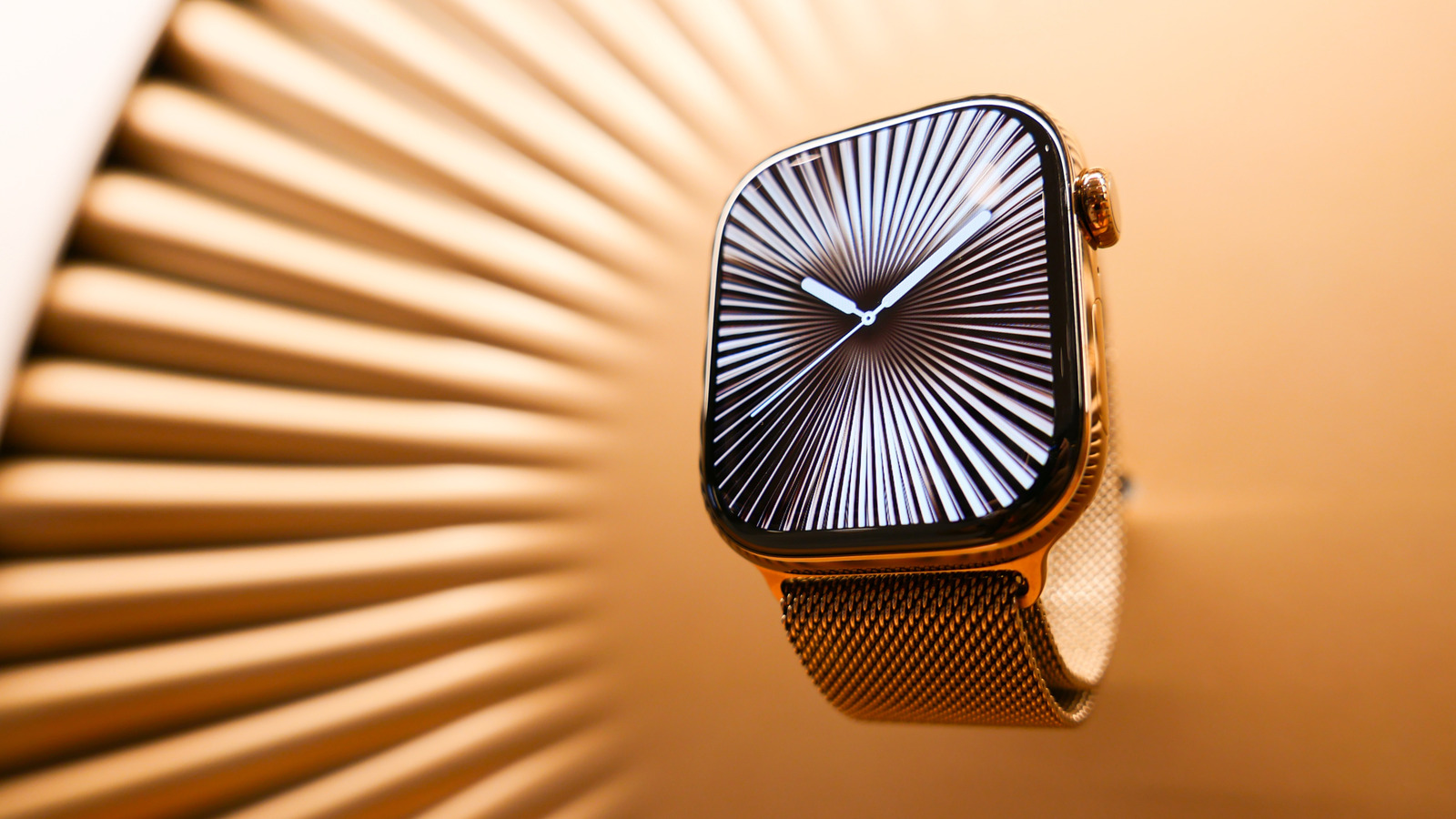
Apple usually makes incremental upgrades rather than overhauling design or features with each generation, which makes older devices easier to recommend. Unlike the iPhone, however, the Apple Watch has historically had a shorter software support cycle, with older models typically receiving four to six years of major updates. Released in 2024, the Apple Watch Series 10 has already seen three major versions of watchOS and should hopefully receive around three more, though that cannot be guaranteed. The first-generation Apple Watch Ultra, for instance, only received four watchOS updates. If you don't plan to upgrade for a few more years, paying a little more for a newer model may be worthwhile.
The Series 10 still has a lot going for it in 2026. It comes in the same two sizes, has an identical wide-angle OLED display that can reach up to 2,000 nits of brightness, and offers strong health and fitness tracking, including ECG readings, sleep apnea notifications and cycle tracking. It also supports Apple Intelligence and Siri AI, so it doesn't come with an outdated assistant. Its slimmer bezels may even look better than some newer releases, and it includes emergency features such as crash and fall detection, water resistance and the latest watchOS, including the Liquid Glass design system.
The main drawback is Apple's uneven record on long-term software support for its smartwatches. The reviewer also notes that their unit struggles to maintain a smooth frame rate when opening apps or scrolling, which is noticeably more sluggish than it was on watchOS 11. The newer Series 12, powered by the S11 chip with 4GB of RAM according to MacRumors, offers more accurate step tracking, better heart rate monitoring and more headroom for future updates.
Ultimately, whether the Series 10 is worth buying in 2026 depends largely on the discount available compared with newer models. The reviewer believes it still has a few years of life left.
Source: Engadget · Summarized by HeadlinesBriefing