
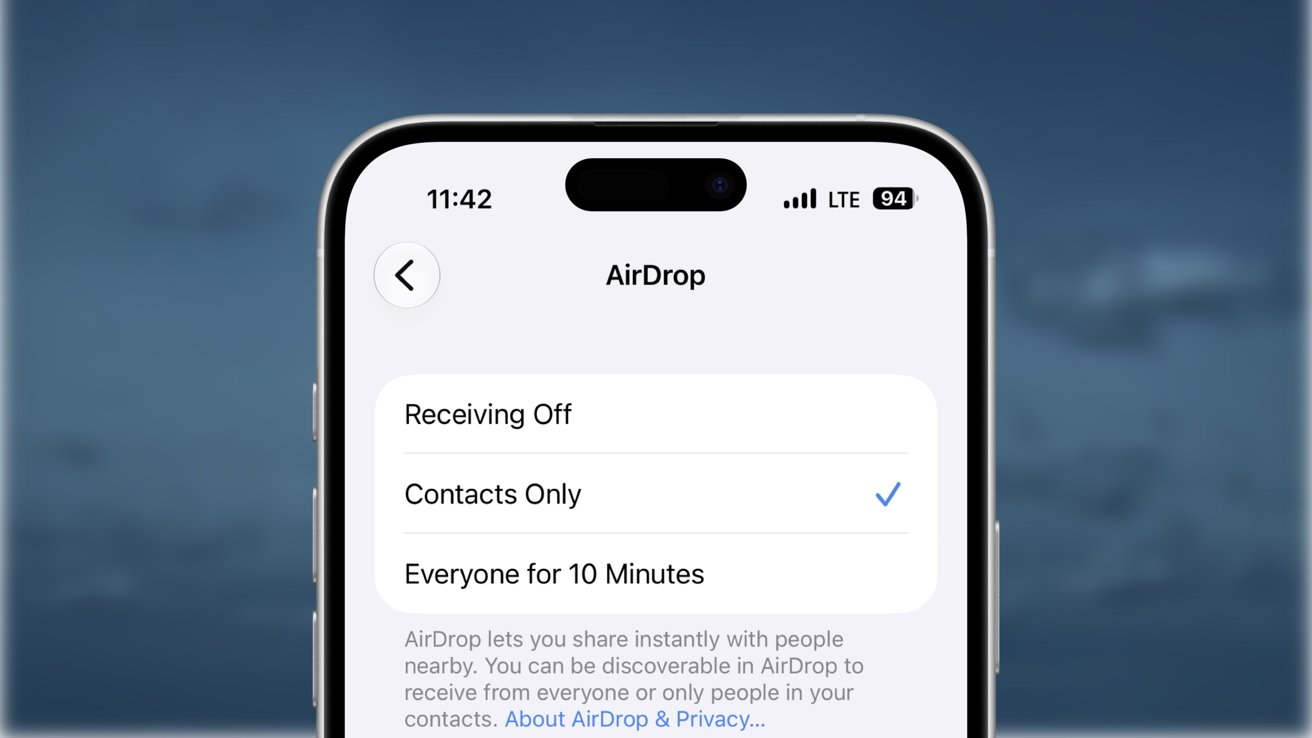
Apple's AirDrop vulnerabilities allow nearby attackers to crash the service before users accept file transfers, temporarily disabling AirPlay, Handoff, and Universal Clipboard. The flaws, uncovered by CISPA researchers, require physical proximity (10-30 meters) and no prior pairing. While not catastrophic, misconfigured devices set to receive from "Everyone" are most at risk. Apple has fixed one vulnerability, but two remain under review.
The study also revealed three Quick Share flaws in Google and Samsung implementations. Samsung’s protocol allowed unencrypted messages post-authentication, while Google’s Windows client had a memory management bug. These issues caused crashes but didn’t enable data theft or code execution. Google patched the Windows flaw, and Samsung’s issues are under investigation. Both platforms share similar attack surfaces due to pre-user-interaction network processing, though their vulnerabilities stem from distinct design choices.
Researchers emphasized that consistent security validation at protocol boundaries could mitigate such risks. Apple’s sharingd service—critical for Continuity features—collapsed under malformed requests, while Quick Share’s flaws involved authentication bypasses. Though inconvenient, these flaws highlight systemic challenges in wireless file-sharing protocols. Users should limit AirDrop to "Contacts Only" and avoid leaving devices unattended in public.
Key takeaway: While the flaws aren’t existential, they underscore the need for vigilance. Apple and vendors are addressing issues, but users must balance convenience with security by restricting AirDrop access and staying updated. The research serves as a wake-up call for protocol design in consumer tech.
Source: AppleInsider · Summarized by HeadlinesBriefing