
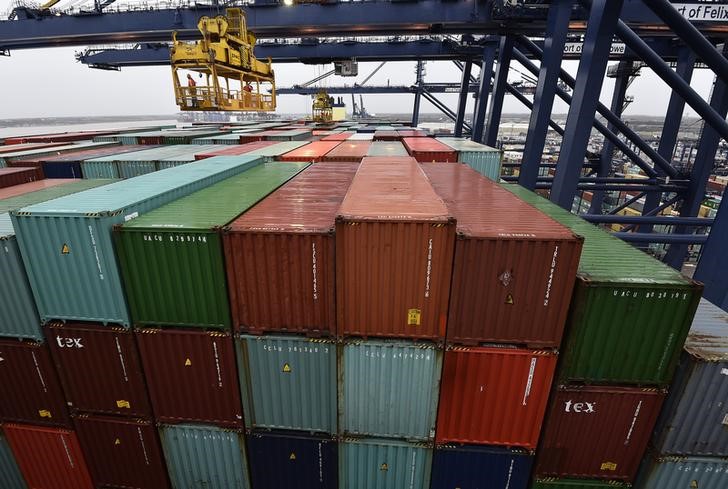
Australia's trade surplus shrank unexpectedly in January, falling to A$2.63 billion from a revised A$3.37 billion in December, according to the Australian Bureau of Statistics. This result missed forecasts for A$3.78 billion, highlighting softer net export contributions at the start of the year. The seasonally adjusted surplus decline stemmed from weaker exports and a rebound in imports. Exports fell 0.9% month-on-month, reversing December's 0.9% gain, primarily due to a 5.2% drop in rural goods and a 1.7% decrease in non-rural goods. Iron ore and coal volumes weakened significantly, with hard coking coal shipments down sharply, while LNG exports edged up slightly. Imports rose 0.8% in January after slipping 1.8% in December, driven largely by a 46.8% surge in non-monetary gold. Capital goods imports increased 5.1%, though consumption and intermediate goods fell.
This data suggests a softer start to the year for Australia's external balance, even as commodity prices remain volatile and global demand conditions are uneven. The sharp rebound in gold imports, despite the export weakness, underscores the complex dynamics within Australia's trade mix. The figures point to net exports contributing less to growth initially, which could impact the Australian dollar and broader economic forecasts. Investors will be watching whether this trend persists or if the surplus rebounds later in the year.
The unexpected narrowing of the surplus, missing expectations by nearly A$1.2 billion, adds to concerns about the sustainability of Australia's external position. While commodity prices provide some support, the volatility in volumes, particularly in key exports like iron ore and coal, introduces uncertainty. The surge in gold imports, likely driven by both investment demand and potential capital flight, highlights shifting capital flows. This mix of weaker goods exports and stronger service imports (implied by the import rebound) paints a picture of a trade balance under pressure.
Key Entities: Australian Bureau of Statistics, InvestingPro, Australia, iron ore, coal, LNG, gold, rural goods, non-rural goods, capital goods, consumption goods, intermediate goods.
Source: Investing.com News · Summarized by HeadlinesBriefing