
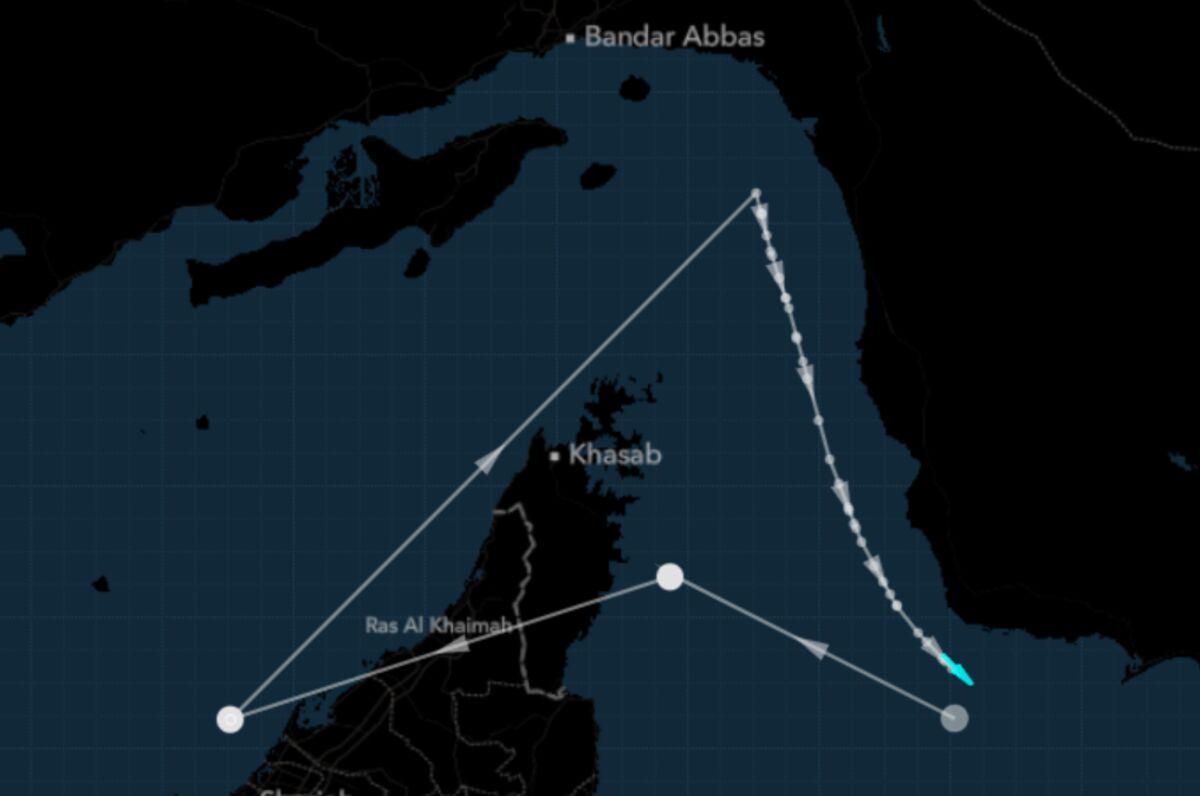
Ship impersonating a decommissioned LNG carrier exited the Strait of Hormuz on Friday, signaling shifting tactics in navigating the contested waterway as regional tensions escalate. The vessel’s sudden appearance has raised alarms among maritime analysts, who note that such deceptive maneuvers could disrupt global energy supply chains reliant on Hormuz’s narrow route. While details about the ship’s origin remain unclear, its attempt to mimic a scrapped gas carrier underscores the growing complexity of maritime security challenges in a conflict zone.
The incident coincides with heightened scrutiny over shipping routes through the Strait of Hormuz, a critical artery for LNG and oil exports from the Middle East. As geopolitical instability intensifies, industry experts warn that vessels may adopt increasingly covert methods to avoid blockades or attacks, potentially delaying deliveries and inflating energy costs. This development highlights the delicate balance between maintaining operational efficiency and ensuring safety in turbulent waters.
Market implications could be significant if such tactics become widespread. LNG traders and shipping firms may face pressure to reroute cargo or invest in enhanced tracking technologies, increasing logistical expenses. Meanwhile, insurers and financiers are likely to reassess risk models for vessels transiting high-risk zones, potentially tightening credit terms or raising premiums. The episode also complicates efforts to stabilize energy markets already strained by supply uncertainties.
At the end of the day, the Hormuz incident serves as a stark reminder of the fragility of global energy infrastructure. With the Middle East war showing no immediate signs of de-escalation, stakeholders must prepare for prolonged volatility. For now, the key takeaway is that the region’s strategic chokepoints remain vulnerable to unconventional threats, demanding vigilance from both public and private sector actors.
Source: Bloomberg Markets · Summarized by HeadlinesBriefing