
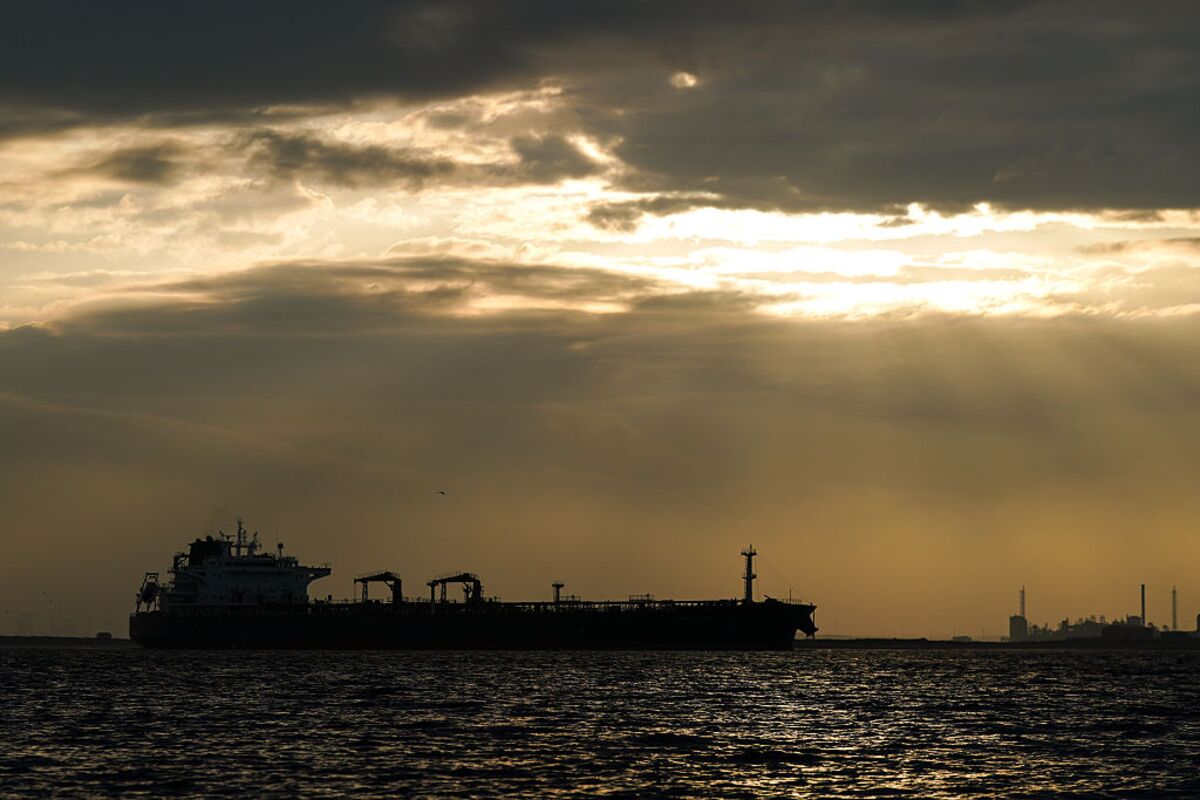
Strait of Hormuz traffic remains severely restricted, with only a handful of Iran-linked vessels transiting the chokepoint as the closure enters its fourth week. The China-bound LPG carrier mentioned in the report highlights ongoing rerouting challenges for energy-dependent industries. LPG shipping routes through the strait, critical for global fuel supplies, face persistent bottlenecks, forcing carriers to seek alternative pathways. This disruption, now in its latest phase, underscores the fragility of maritime logistics amid geopolitical tensions.
The Strait of Hormuz closure has intensified scrutiny on energy security, particularly for Asia-Pacific markets reliant on timely Liquefied Petroleum Gas (LPG) deliveries. While Iran-linked vessels continue limited transits, the scarcity of traffic suggests broader operational hesitations among shippers. Analysts note that prolonged closures could drive up freight costs and delay industrial production reliant on LPG, a key feedstock for manufacturing and heating. The situation also raises concerns about the effectiveness of current maritime risk mitigation strategies.
Global markets are monitoring how the Strait of Hormuz impasse affects crude oil prices, as LPG is often traded alongside other petroleum derivatives. China-bound LPG carriers face heightened risks, including longer transit times and potential insurance premium hikes. Businesses dependent on stable energy supplies may reevaluate contracts or diversify sourcing routes to avoid overreliance on the strait. Regulatory bodies are urging transparency from shipping firms regarding contingency plans.
This energy market volatility exemplifies the ripple effects of geopolitical instability. Strait of Hormuz disruptions have already impacted Middle Eastern oil exports, with Iran-LPG trade dynamics shifting as alternative routes gain traction. While China-bound LPG shipments remain a focal point, the broader implications for global supply chains—from automotive manufacturing to residential heating—demand urgent policy responses. The coming weeks will reveal whether diplomatic efforts can restore normalcy or if the strait’s closure will become a prolonged structural challenge.
Source: Bloomberg Markets · Summarized by HeadlinesBriefing