
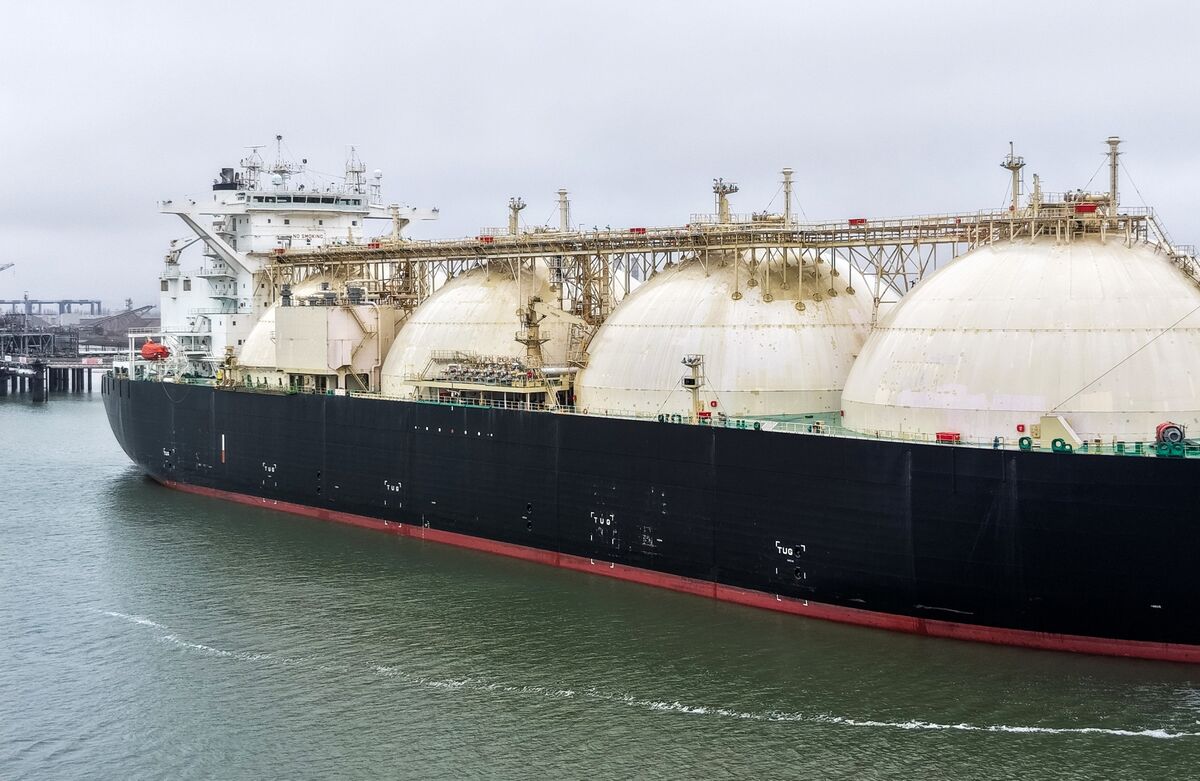
Vietnam is accelerating liquefied natural gas (LNG) imports at premium prices as the Iran war disrupts global supplies, compounded by forecasts of above-average temperatures in the coming weeks. The Southeast Asian nation, heavily reliant on energy imports, faces mounting pressure to secure stable LNG supplies to meet surging demand for cooling and industrial use. Elevated LNG costs, driven by geopolitical tensions and logistical bottlenecks, have prompted state-backed energy firms to finalize long-term contracts with major exporters to mitigate price volatility.
The Iran conflict has already triggered a 12% reduction in global LNG inventory levels, according to industry reports, tightening the market for key buyers like Vietnam. With temperatures projected to exceed historical averages by 3-5°C this season, energy consumption for air conditioning and manufacturing is expected to spike, further straining supply chains. Analysts warn that prolonged disruptions could push LNG prices above $10 per million British thermal units (MMBtu), a level not seen since 2014.
Deal values are soaring as Vietnam’s state-owned energy giants, including PetroVietnam, negotiate multi-billion-dollar agreements with exporters like TotalEnergies and ExxonMobil. These contracts aim to lock in prices and volumes ahead of the peak demand period. The move underscores a broader regional shift toward LNG as a strategic reserve amid destabilized fossil fuel markets. Meanwhile, smaller enterprises face heightened competition for limited cargo space, risking delays for non-priority shipments.
This energy security drive highlights Vietnam’s vulnerability to external shocks, with LNG now accounting for over 40% of its electricity generation. As the temperature rise accelerates demand, the government is exploring partnerships with Asian LNG hubs to diversify supply routes. However, without immediate infrastructure upgrades, the country risks supply shortfalls during heatwaves, threatening economic stability and industrial output.
Source: Bloomberg Markets · Summarized by HeadlinesBriefing