
US stock futures pointed to a lower open as investors weighed renewed energy-supply risks and persistent inflation pressures tied to AI-related capital spending, which suggest the Federal Reserve may have more work to do on interest rates. S&P 500 futures fell 0.2% as of 8:00 a.m. in New York, while Nasdaq 100 futures declined 0.2%.
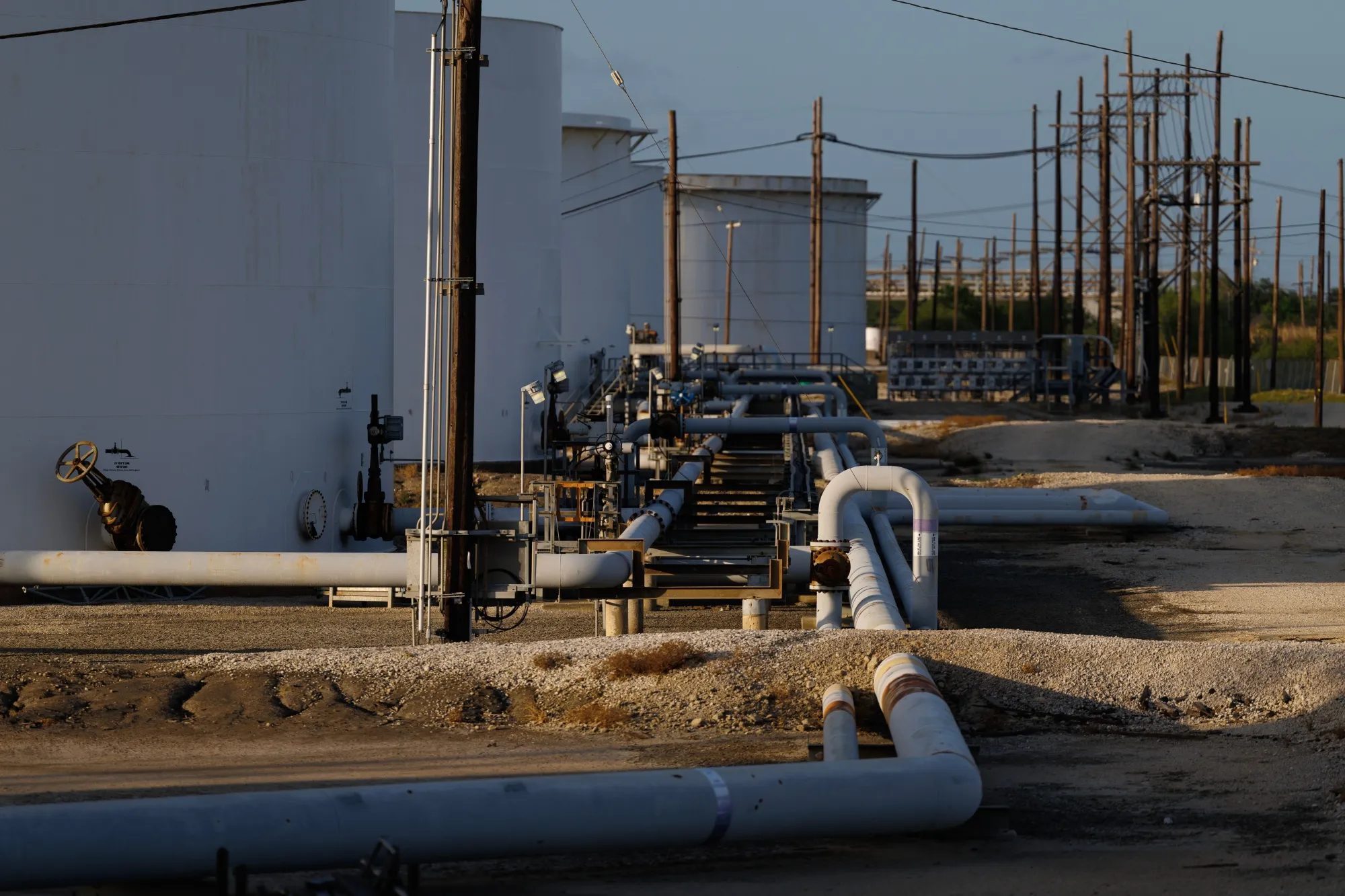
Oil advanced after a report that the White House asked the Pentagon to prepare potential strike options against Iran that could be carried out before the midterm elections. Hurricane Isaias is also developing in the Gulf, adding to concerns around energy supply. Federal Reserve Governor Christopher Waller said additional rate increases will probably be necessary to bring inflation under control, while noting policymakers have flexibility over when to act and don't necessarily need to raise rates at consecutive meetings.
AI remains central to the outlook for the US earnings season. Deutsche Bank strategists expect third-quarter earnings growth to stay at a historically elevated 34% year-on-year pace, with AI-driven demand helping sustain earnings growth of about 54% for megacap technology companies. Citigroup strategists Richard Schlatter and David Chew project 66% of Russell 1000 companies will beat estimates, compared with just over 60% in the second quarter. Technology is expected to notch the most earnings beats.
Globally, the reaction to AI-related results is mixed. Samsung's record preliminary quarterly results failed to satisfy the most bullish expectations, while TSMC delivered 51% sales growth. In corporate news, Broadcom Inc. is considering another large-scale transaction after launching $60 billion of debt financing to support Anthropic PBC's AI build-out. Pepsi Co Inc. cut its profit forecast, and Palantir Technologies Inc. gained in premarket trading after Goldman Sachs upgraded the stock to buy from neutral.
Source: Bloomberg Markets · Summarized by HeadlinesBriefing