
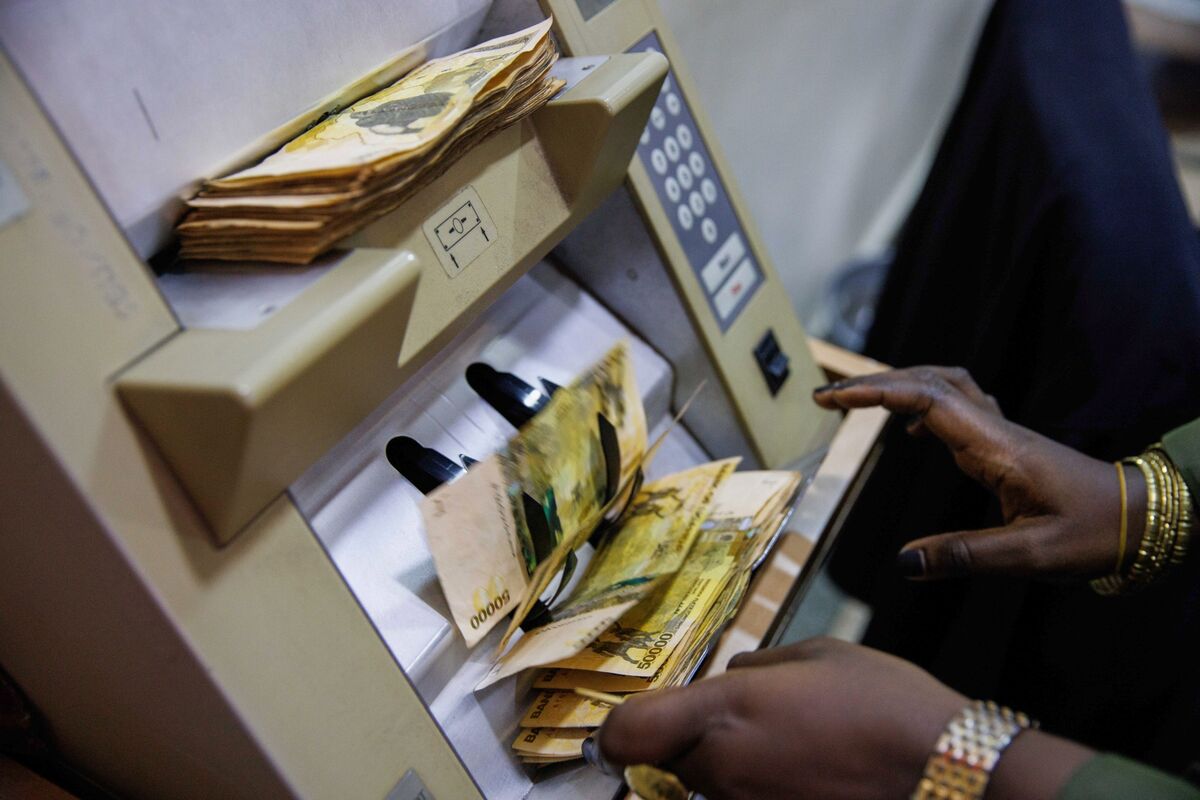
Uganda is running out of options to defend its currency, forcing policymakers to draw down already thin buffers. As of Friday's close, the shilling was the world's second-worst-performing currency against the dollar this month, trailing only Iraq's dinar, according to data compiled by Bloomberg. It has lost more than 11% over the period, weakening to 4,419.95 per dollar.
The rout has persisted even after the Bank of Uganda raised its benchmark interest rate by 225 basis points to 12% at an emergency meeting on Oct. 14 — the world's biggest hike this year. Analysts warn it may need to tighten further if its other interventions don't work. Currency traders at several banks in Kampala said the central bank sold dollars last week, just days after an earlier sale. About $30 million was sold in the previous intervention. That's despite President Yoweri Museveni, who has been in power for four decades, saying earlier this month he is "totally against" using reserves to defend the currency.
Orson Gard, a senior analyst at BMI, a Fitch Solutions company, said the bank's willingness to sell dollars shows how concerned policymakers are about the shilling's decline. "If the shilling struggles to pare back losses in the meantime, another hike is looking likely," he said. The central bank's next scheduled rate-setting meeting is Nov. 12.
Gergely Urmossy, strategist at Societe Generale, cautions that foreign-exchange interventions may offer only temporary relief. Brent crude prices have soared about 90% this year as the wars in Ukraine and Iran constrain supplies. The central bank put reserves at $6.7 billion, enough to cover about three months of imports and below the 4.5-month minimum prescribed by the East African Community.
Source: Bloomberg Markets · Summarized by HeadlinesBriefing