
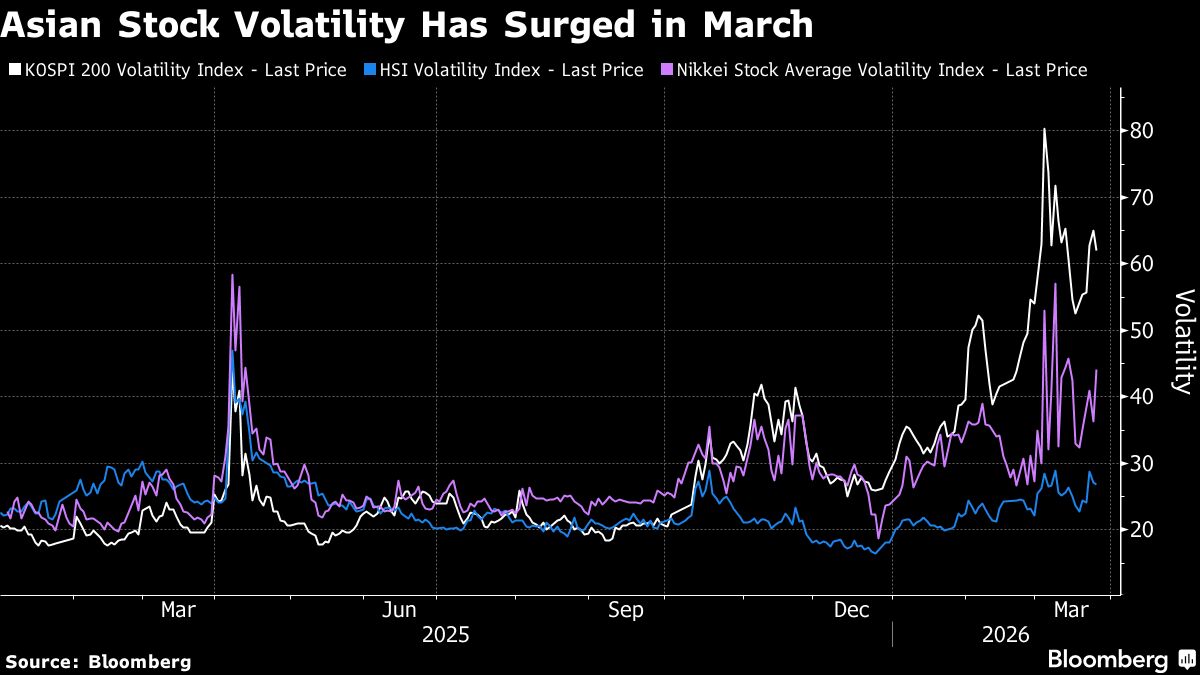
UBS AG recommends investors executing buy or sell orders for Asian equities within the first few minutes of trading following oil price surges, then avoiding further transactions. This strategy aims to capitalize on initial market reactions while minimizing exposure to prolonged volatility. The Swiss bank’s guidance reflects heightened sensitivity to energy market fluctuations in Asia-Pacific regions, where oil price swings often trigger rapid investor sentiment shifts. By front-loading trades, clients can potentially lock in favorable prices before broader market adjustments occur, reducing the risk of adverse price movements later in the session.
The advice targets traders navigating Asia’s volatile equity markets, where oil price shocks—such as those caused by geopolitical tensions or supply disruptions—frequently drive sharp intraday swings. UBS emphasizes that delaying trades risks missing optimal entry or exit points, as delayed execution may coincide with increased liquidity constraints or irrational post-spike corrections. The firm’s analysis underscores the importance of timing in markets where energy commodities disproportionately influence sectoral performance, particularly in energy-intensive industries and exporters.
UBS’s research highlights that oil price volatility creates both opportunities and risks for algorithmic and discretionary traders alike. For institutional investors, the first 15 minutes of trading often set the tone for daily price action, making rapid execution critical. Retail investors, meanwhile, may face heightened risks if they react to delayed news cycles or rely on slower order processing systems. The bank’s findings align with broader trends showing that energy price shocks increasingly dictate short-term equity market dynamics, especially in emerging economies reliant on commodity imports or exports.
UBS’s strategy underscores a paradigm shift in trading approaches amid persistent energy market instability. While the recommendation is specific to oil shocks, it mirrors broader principles of risk management in event-driven markets. The bank’s emphasis on immediacy contrasts with traditional practices that prioritize post-event analysis, suggesting a growing need for real-time decision-making frameworks. This approach could reshape how hedge funds and asset managers structure their trading algorithms to exploit fleeting market inefficiencies following commodity price surprises.
Source: Bloomberg Markets · Summarized by HeadlinesBriefing