
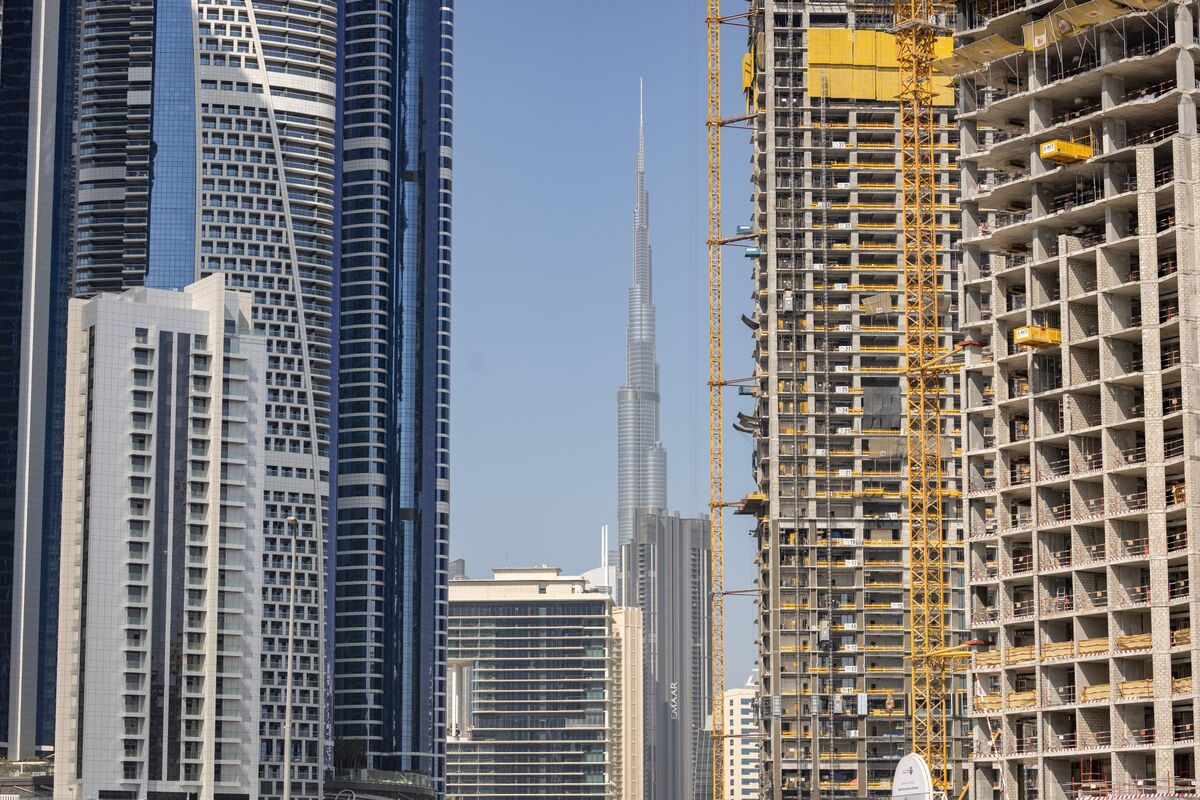
UAE real estate bonds face steep losses amid escalating Iran conflict, with Sukuk plummeting up to 8.5% as foreign investors flee risk. Property developers in Dubai and Abu Dhabi, previously reliant on bond financing for expansion, now scramble to offload debt as war disrupts construction timelines and dampens demand. Five-year green Islamic bonds (sukuk) from Sobha Realty dropped 8.5% this month, while Binghatti Holding and Arada Developments saw 7.8% and 6% declines respectively. The sector’s dramatic reversal comes after a record $7 billion in 2025 bond issuance, more than double 2024’s $3.4 billion, signaling a once-in-a-decade borrowing spree now unraveling.
Market turmoil intensifies as residential real estate grapples with oversupply fears and falling rental yields. Analysts warn that prolonged conflict could trigger a repeat of Dubai’s 2009 crisis, though no bailout plans are evident. Binghatti Holding and Omniyat Holdings, two highly leveraged developers, face heightened scrutiny as their long-dated bonds lose value. Foreign investors, once aggressive buyers, now prioritize “high-quality, tier-one names” with proven liquidity management, according to Allianz’s Eoghan McDonagh. Short-dated bonds from Damac Properties, maturing in 2027, have held up better, falling just 2.5 cents to 100.3, versus 5 cents for 2029 notes.
War erodes investor confidence in the UAE’s stability as a global logistics and tourism hub. While some see buying opportunities in undervalued assets, risks loom large. “The sector’s future depends on how long the war lasts,” said Jupiter Asset’s Xuchen Zhang. Without resolution, capital flight and project delays could deepen losses. Developers may struggle to refinance maturing debt, particularly for $2.7 billion in bonds issued in January and February alone. Regulatory changes or liquidity freezes remain a possibility, though no immediate measures have been announced.
Long-term outlook uncertain as analysts debate whether this is a temporary correction or a sectoral reset. “A mild correction was due,” noted RBC Bluebay’s Malcolm Kane, but war accelerates losses beyond historical trends. The UAE’s real estate bond market, once a regional growth engine, now faces existential questions about its reliance on foreign capital and geopolitical vulnerability. Investors brace for volatility, with sukuk yields widening to 5.2% this month, the highest since 2020.
Source: Bloomberg Markets · Summarized by HeadlinesBriefing