
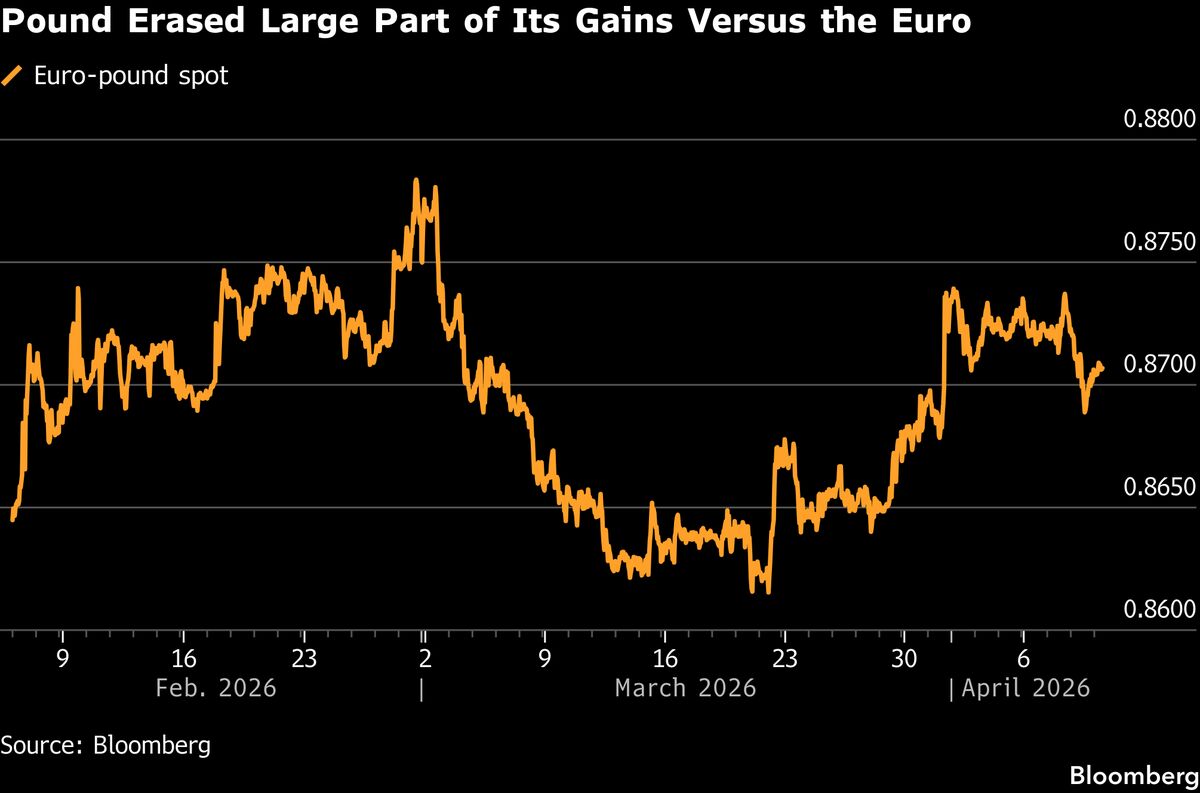
Sterling options markets reveal heightened volatility premiums compared to the euro, signaling trader unease about the UK's economic resilience. The disparity suggests investors perceive UK exposure to energy price shocks as more severe than Eurozone risks, even after the Iran ceasefire temporarily eased oil market tensions. This divergence reflects deeper concerns about Britain's energy import dependency and potential post-Brexit supply chain vulnerabilities.
The pound's elevated premium stems from options traders pricing in a higher probability of sterling weakness amid energy-driven inflation. While the Iran ceasefire reduced immediate crude price volatility, analysts note the UK's limited strategic petroleum reserves and slower transition to renewable energy sources amplify long-term risks. In contrast, the Eurozone's diversified energy imports and accelerated green investments create a relatively stable outlook for the euro.
Businesses with UK operations face mounting hedging costs as options market pricing embeds a 12-15% volatility buffer for sterling positions. This premium could squeeze profit margins for companies reliant on euro-denominated debt or cross-channel trade. Conversely, Eurozone exporters may gain pricing power as the euro strengthens against the pound, reshaping competitive dynamics in sectors like automotive and manufacturing.
The market's focus on energy risks underscores broader geopolitical uncertainty. While the Iran ceasefire provided temporary relief, traders remain wary of OPEC+ supply cuts or renewed Middle East tensions. For investors, the sterling premium serves as a barometer for Britain's economic transition challenges, highlighting the delicate balance between energy security and financial stability in the post-Brexit era.
Source: Bloomberg Markets · Summarized by HeadlinesBriefing