
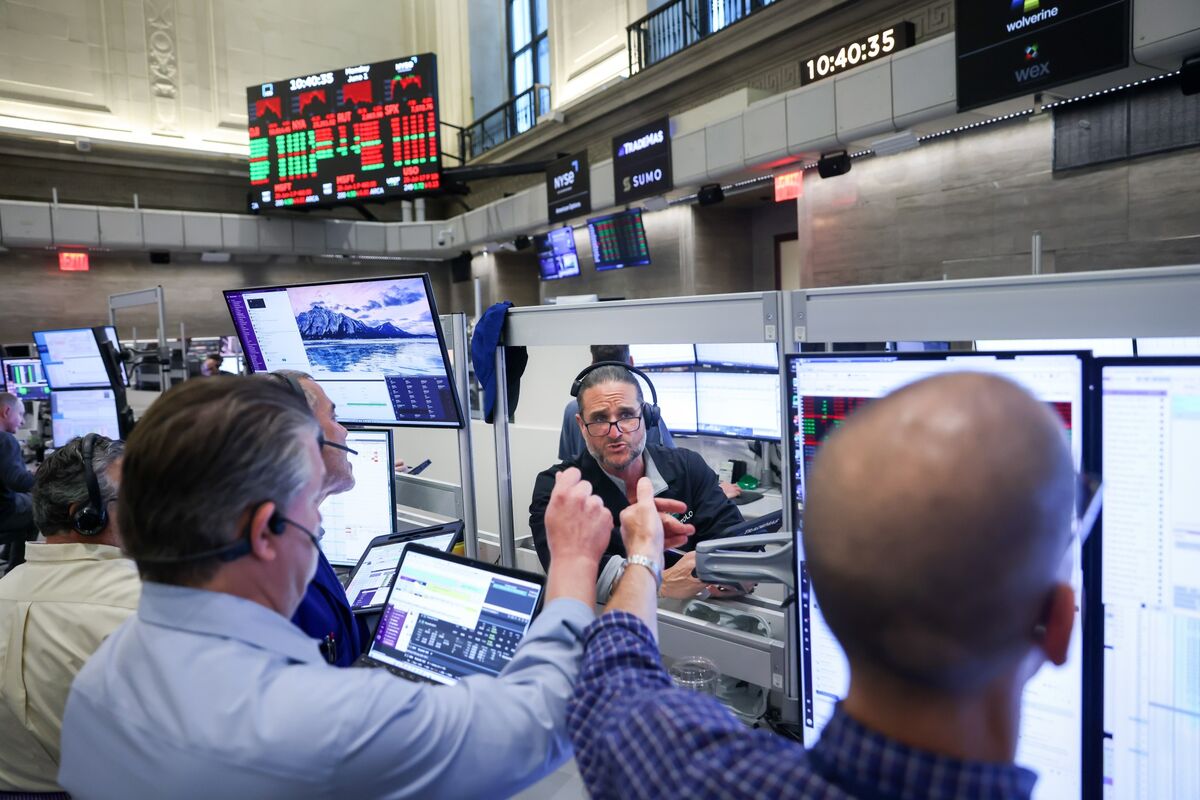
S&P 500 stocks retreated on Wednesday as investors grew wary of escalating US-Iran hostilities threatening the shaky ceasefire. The market’s initial optimism evaporated after reports of renewed clashes in the region, signaling a potential breakdown in diplomatic efforts. Historically, such conflicts have triggered sharp sell-offs, as risk appetite typically shrinks during geopolitical uncertainty. The ceasefire agreement between the two nations, already fragile, now faces renewed pressure, raising fears of prolonged instability. This volatility has broader implications, as energy and defense sectors—heavily tied to regional dynamics—may face heightened uncertainty. Investors are likely to remain cautious until clarity emerges on whether diplomatic channels can restore calm.
The flareup’s origins stem from recent clashes near the Strait of Hormuz, a critical shipping route. While the source material does not specify casualty figures, the term deadly flareup implies significant human cost, amplifying market anxiety. Past conflicts in the region have disrupted oil supplies and heightened defense spending, both of which could ripple into broader economic metrics. The current situation underscores how swiftly geopolitical risks can derail market momentum. Companies with operational ties to the Middle East may face direct challenges, from supply chain disruptions to regulatory scrutiny. Analysts note that even short-term instability can distort earnings forecasts, particularly for firms reliant on global trade.
What matters most to investors is whether this conflict represents a temporary setback or a deeper deterioration in US-Iran relations. A prolonged crisis could lead to sustained market declines, higher borrowing costs, or even shifts in geopolitical alliances. However, the market’s reaction thus far reflects a wait-and-see approach rather than panic. The US-Iran dynamics remain a critical variable in assessing global risk appetite. For now, traders are likely to monitor developments closely, with potential for further swings depending on diplomatic outcomes. Unlike past episodes, this flareup coincides with a period of heightened economic sensitivity, making even minor escalations more impactful. While the immediate focus is on containment, the long-term resolution of this tension will determine whether markets can regain their footing.
Source: Bloomberg Markets · Summarized by HeadlinesBriefing