
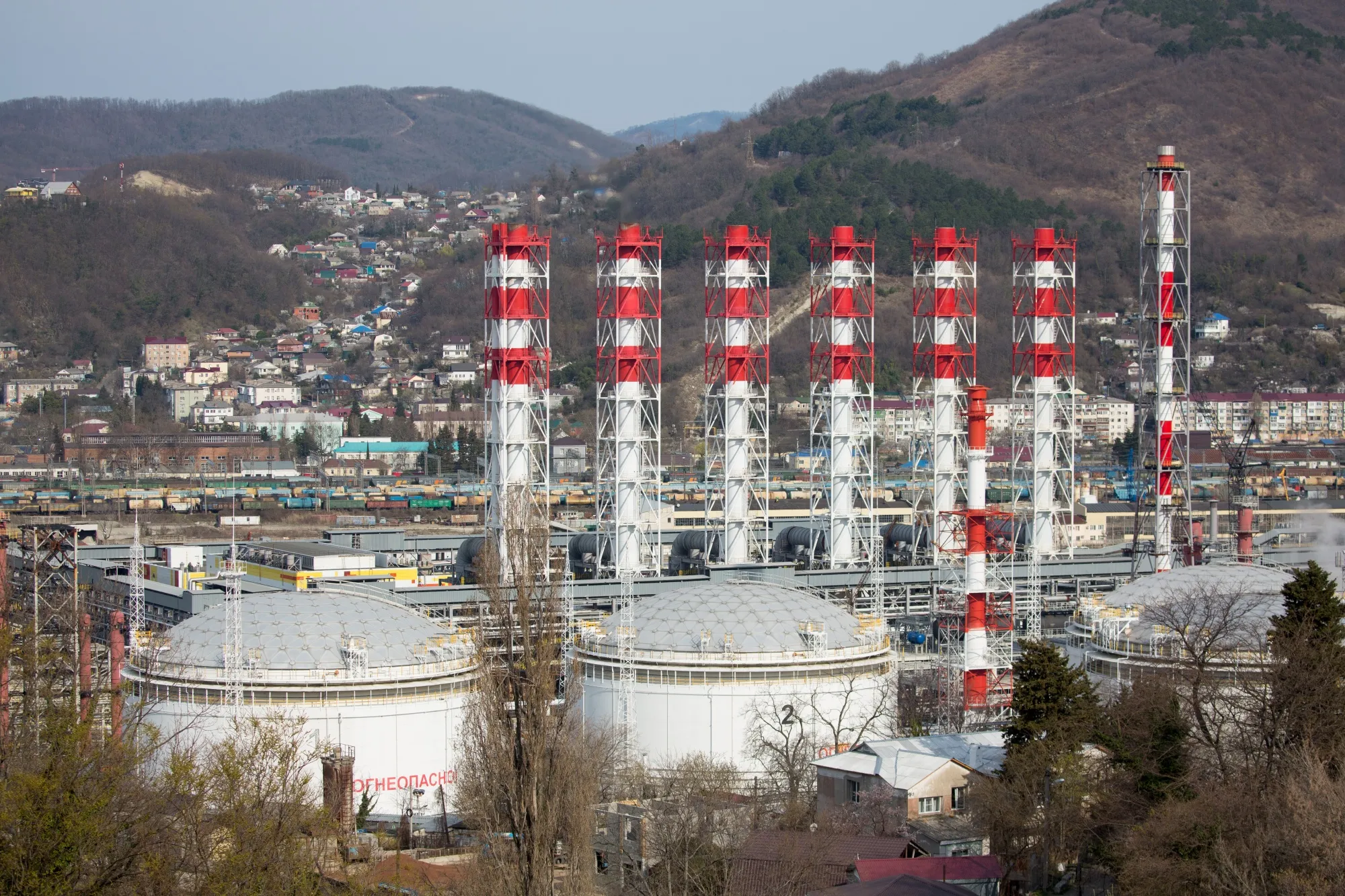
Russia’s government paid oil companies the largest fuel subsidy in over four years in September, totaling 305.5 billion rubles ($3.6 billion), to keep road fuels available despite Ukrainian drone strikes on refineries. The attacks have cut oil‑product output, causing gasoline shortages, rationing and long lines at stations. Subsidies, which exceed $14 billion year‑to‑date, are calculated on domestic supply volume and the spread between domestic and export wholesale prices, and they continue even with export bans on gasoline, diesel and jet fuel.
The bulk of the payouts go to major firms such as Rosneft PJSC and Tatneft PJSC, and they also reach fuel importers to ensure domestic market stability. Ukraine’s President Volodymyr Zelenskyy vowed to intensify strikes on Russian energy facilities. Russia forecasts subsidies of 1.93 trillion rubles for 2026, falling to 1.18 trillion rubles next year, while September’s net oil and gas revenues fell over 22% to 452.4 billion rubles, reflecting the heavy cost of the subsidies.
Source: Bloomberg Markets · Summarized by HeadlinesBriefing