
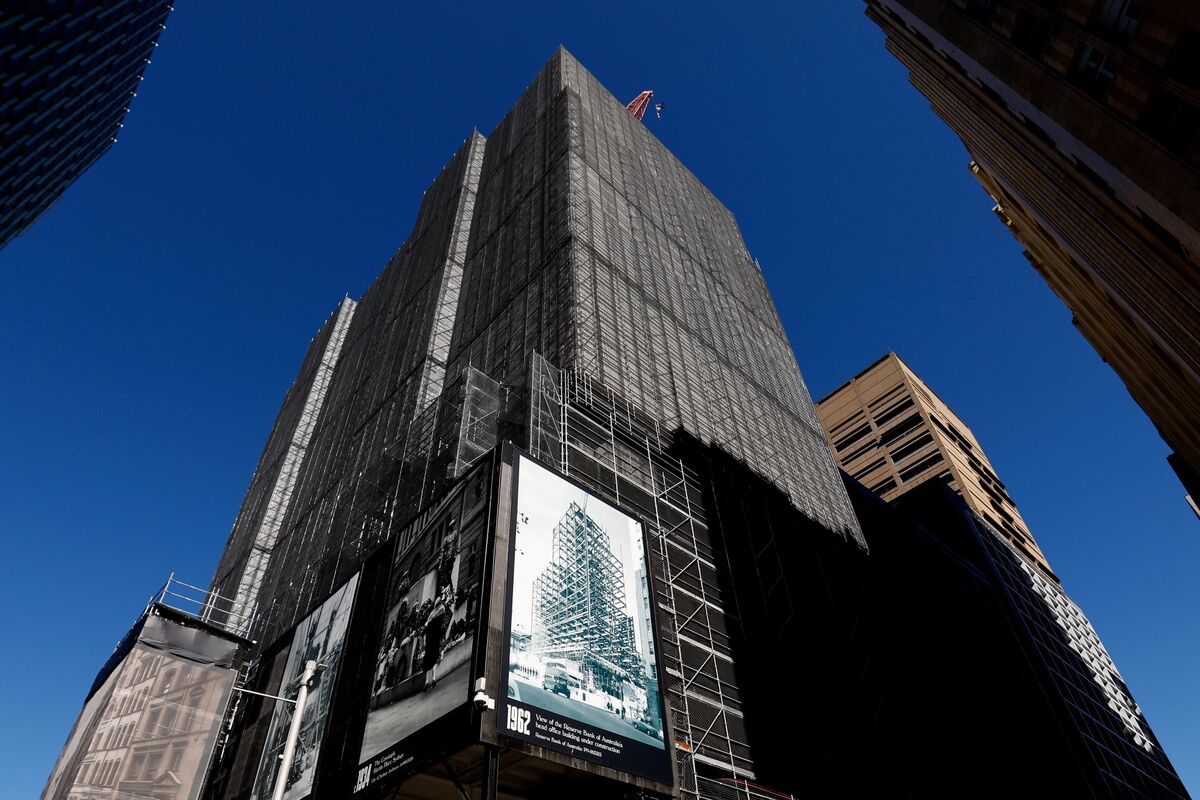
Australia’s central bank raised its key interest rate to 4.6% two weeks ago due to rising inflation risks, warning that delaying action could be costly. The Reserve Bank of Australia cited upside price pressures and the ongoing Middle East conflict as key influences on its decision, noting that future rate moves will depend on inflation trends and exchange rate impacts. The RBA has implemented the most aggressive tightening campaign among developed economies this year, increasing borrowing costs by 1 percentage point to combat elevated inflation that began before the US-Israeli attack on Iran triggered global energy shocks.
Traders now price in over a 50% chance of another hike in December, with odds rising further into next year. The bank emphasized its mandate to return CPI to the 2-3% target while preserving job gains, though it acknowledged that persistent supply shocks may require slower growth in demand and employment. Members stressed the need to stabilize medium-term inflation at target, even if some persistence stems from factors beyond monetary policy control.
The RBA also noted that falling house prices could weigh more heavily on household spending than expected, adding to downside risks as Australia’s housing market slump deepens and consumer confidence declines amid high borrowing costs and strong inflation.
Source: Bloomberg Markets · Summarized by HeadlinesBriefing