
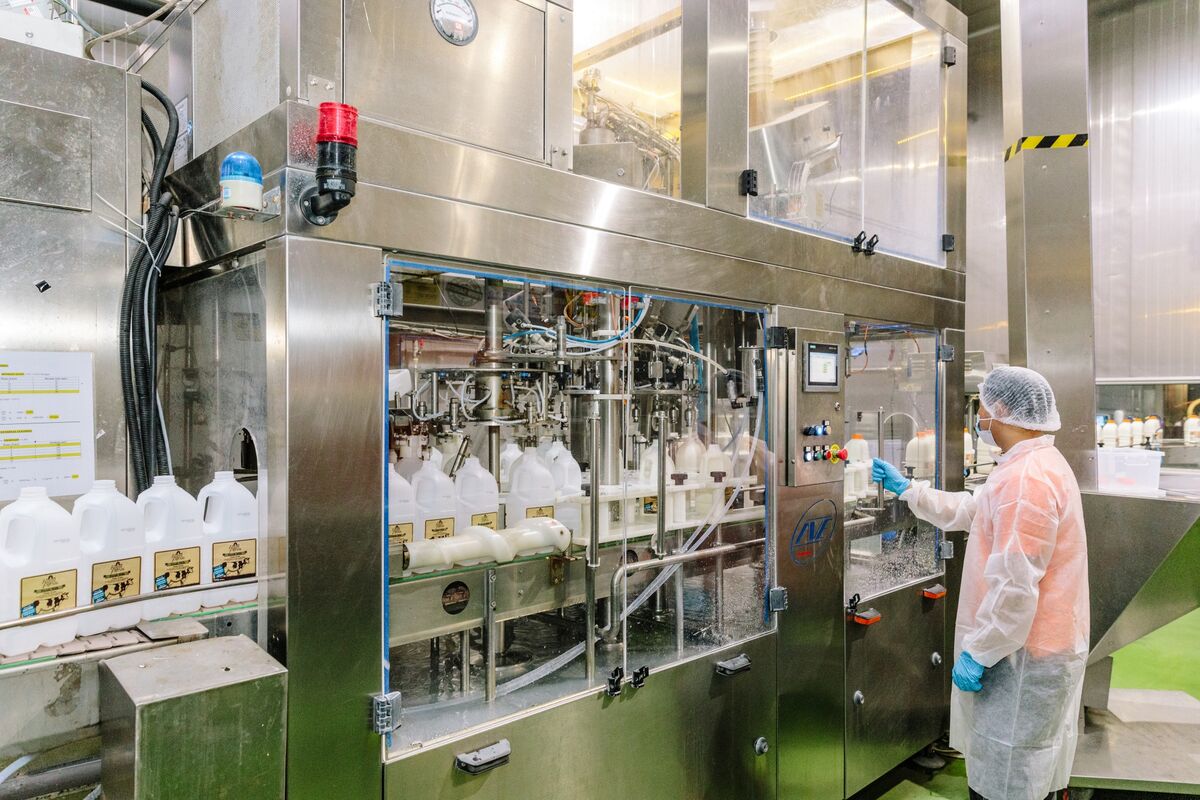
Asian households will feel the sting of higher grocery bills for months as packaging costs surge. The Iran conflict has tightened the supply of plastics that move food from farms to shelves, forcing retailers to pay more for containers and wrappers. These higher costs ripple through the supply chain, raising prices for staples like rice, noodles, and canned goods.
Retailers scramble to absorb the extra expense, with some citing a 10% rise in packaging costs as a primary driver. Consumers face higher check‑outs, while producers struggle to maintain margins amid a market already stressed by transportation delays and fuel price hikes. The ripple effect could push inflation higher across the region, especially in food.
Suppliers of plastic resins report shortages, leading to higher freight charges and longer lead times. Companies that rely on bulk packaging face a squeeze, prompting some to seek alternative materials or negotiate longer contracts. The situation underscores how geopolitical shocks can cascade into everyday consumer costs and affect food price stability across Asia and beyond.
For investors, the sustained rise in packaging costs signals a pressure point in the food retail sector, potentially eroding profit margins for chain operators. Analysts advise monitoring commodity pricing trends and supply‑chain resilience as key indicators of how the industry will adapt to prolonged material shortages and protect shareholder value in run by supply management.
Source: Bloomberg Markets · Summarized by HeadlinesBriefing