
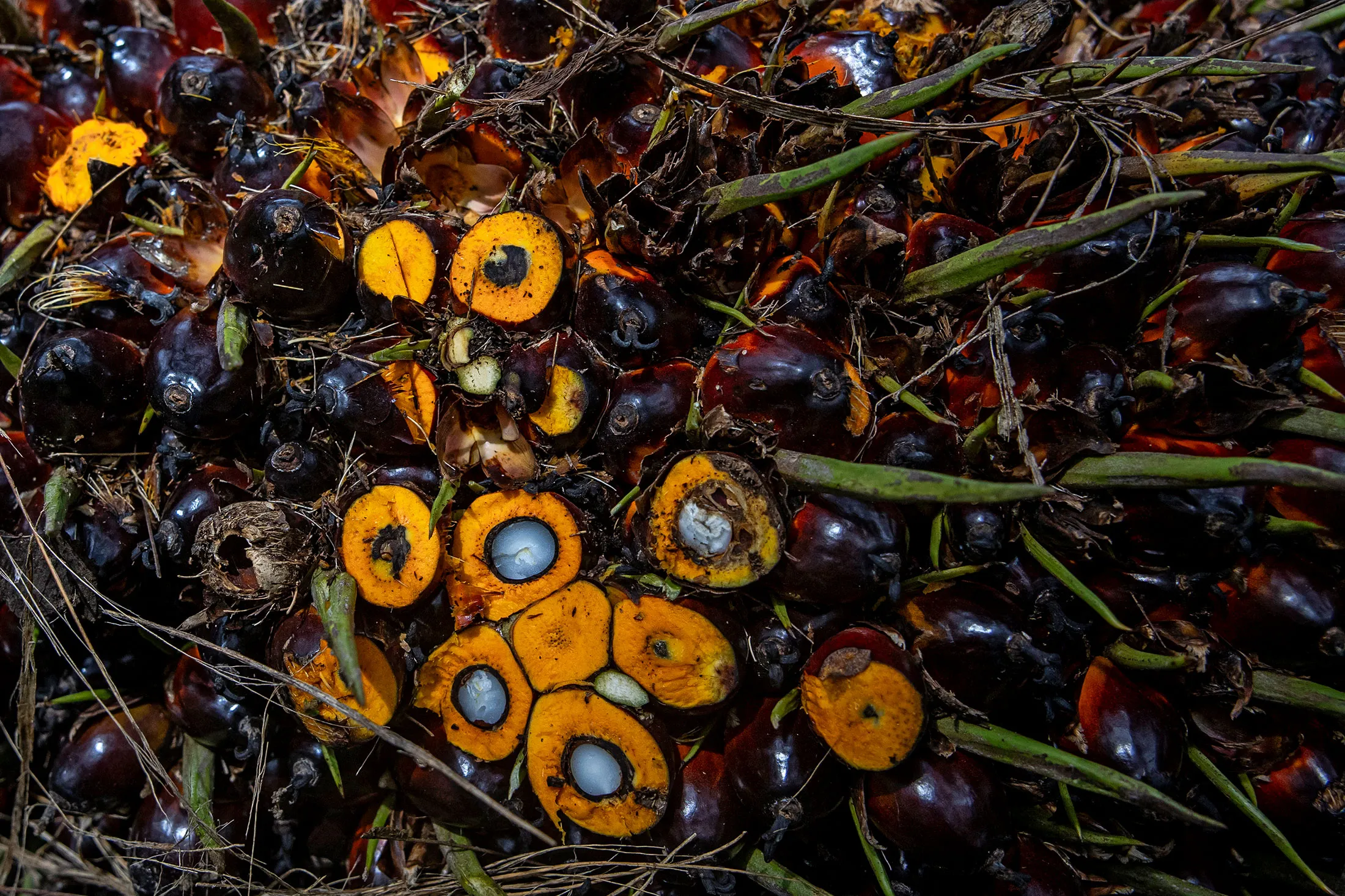
A palm oil glut has made the crop increasingly attractive against rivals, luring buyers in top importer India and other major markets. Palm's discount to sunflower oil has widened to about $300 a ton, one of the biggest gaps seen in recent years, according to Aashish Acharya of Patanjali Foods Ltd. Black Sea attacks have disrupted sunflower oil shipments from Ukraine and Russia, while strong palm oil production in Malaysia keeps supplies buoyant. The crop is also commanding a discount of about $100 a ton to soybean oil.
That has pushed buyers to snap up about 20,000 to 30,000 tons of palm oil daily over the past couple of weeks. Edible oil demand typically rises 10% to 15% in the run-up to Diwali, and buyers are favoring palm this time as its discount widens. Demand has also strengthened in regions including China, Europe and Africa, helping drive a sharp increase in Malaysian exports this month.
Palm demand is picking up as its spreads to competing vegetable oils like soybean and sunflower oils have widened, with buying interest strengthening even as ocean freight costs rise. Indian buyers favor palm as the most competitive oil. The surge in demand could help Malaysia, the world's No. 2 grower, whittle down record-high inventories, but may offer less support than usual to Kuala Lumpur futures.
Abundant inventories have kept nearby prices under pressure, even as El Niño-driven weather is expected to tighten supplies next year. Strong Indian buying may offer little support to Malaysian futures in the near term, as physical palm oil can be bought at a substantial discount to the benchmark price. Palm oil for January on Bursa Malaysia was little changed near 4,770 ringgit a ton.
Investors are watching potential changes to export taxes that could intensify palm oil competitiveness, with Malaysia considering a temporary crude palm oil duty waiver. Indian stocks of sunflower and soybean oils should start drawing down in six to eight weeks, freeing storage capacity for additional palm oil imports.
Source: Bloomberg Markets · Summarized by HeadlinesBriefing