
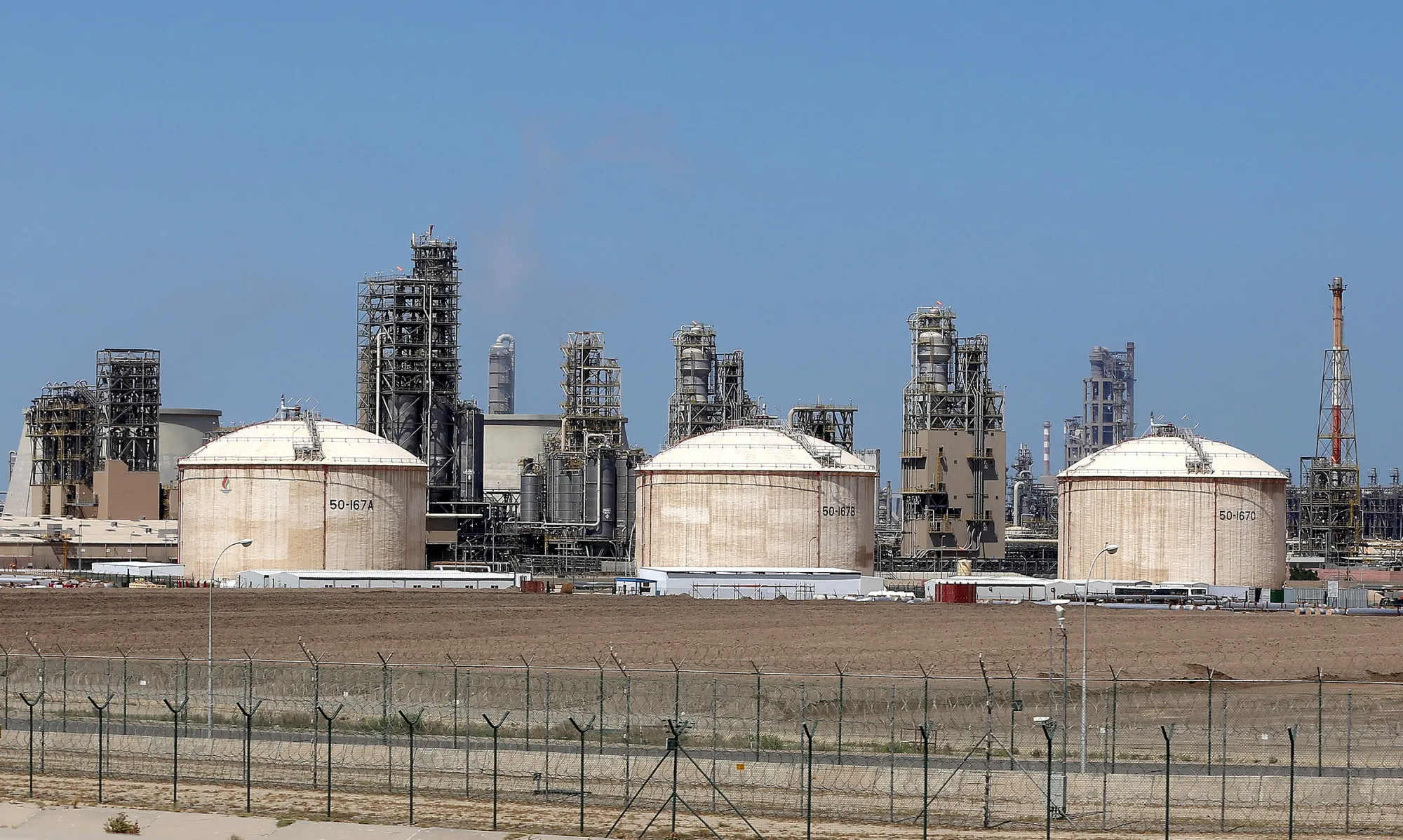
Oil held a two-day drop, as rising Persian Gulf exports and a steep price cut by Saudi Arabia reinforced signs of a loosening market. West Texas Intermediate steadied near $89 a barrel after shedding 3.7% over the prior two sessions, while Brent closed near $100. Gulf producers are moving larger volumes through the Strait of Hormuz, with more tankers taking the risk of navigating the contested waterway despite still-elevated risks.
Kuwait said it is pumping oil about 75% of the level seen before the Iran war, while Iraq is seeking to hire additional vessels to send its cargoes through Hormuz. The moves come as Saudi Aramco slashed the prices of its flagship Arab Light grade for Asian buyers to a six-year low. Brent crude remains more than 60% higher this year after the US and Israel attacked Iran in February, disrupting supplies and fueling inflation.
While oil flows from the Middle East have rebounded toward pre-conflict levels, product shipments remain constrained, in part due to Ukrainian strikes on Russia. Later Tuesday, the US Energy Information Administration is due to release its Short-Term Energy Outlook, including expectations for fuels over the Northern Hemisphere winter.
Source: Bloomberg Markets · Summarized by HeadlinesBriefing