
The OECD warned that the escalating Middle East conflict is reigniting inflationary pressures, threatening to derail the global economy’s fragile recovery. The organization projected U.S. inflation at 4.2% for the year, citing supply chain disruptions and rising commodity costs linked to regional instability. This comes amid earlier optimism about economic growth, which now faces renewed uncertainty as geopolitical tensions disrupt trade routes and energy markets.
The global economy, already grappling with post-pandemic adjustments, is now confronting a dual crisis: persistent inflation and geopolitical volatility. Rising oil prices, driven by Middle East instability, could further strain household budgets and corporate margins. Businesses reliant on just-in-time logistics may face delays, while investors question the resilience of equity markets already strained by rate hikes.
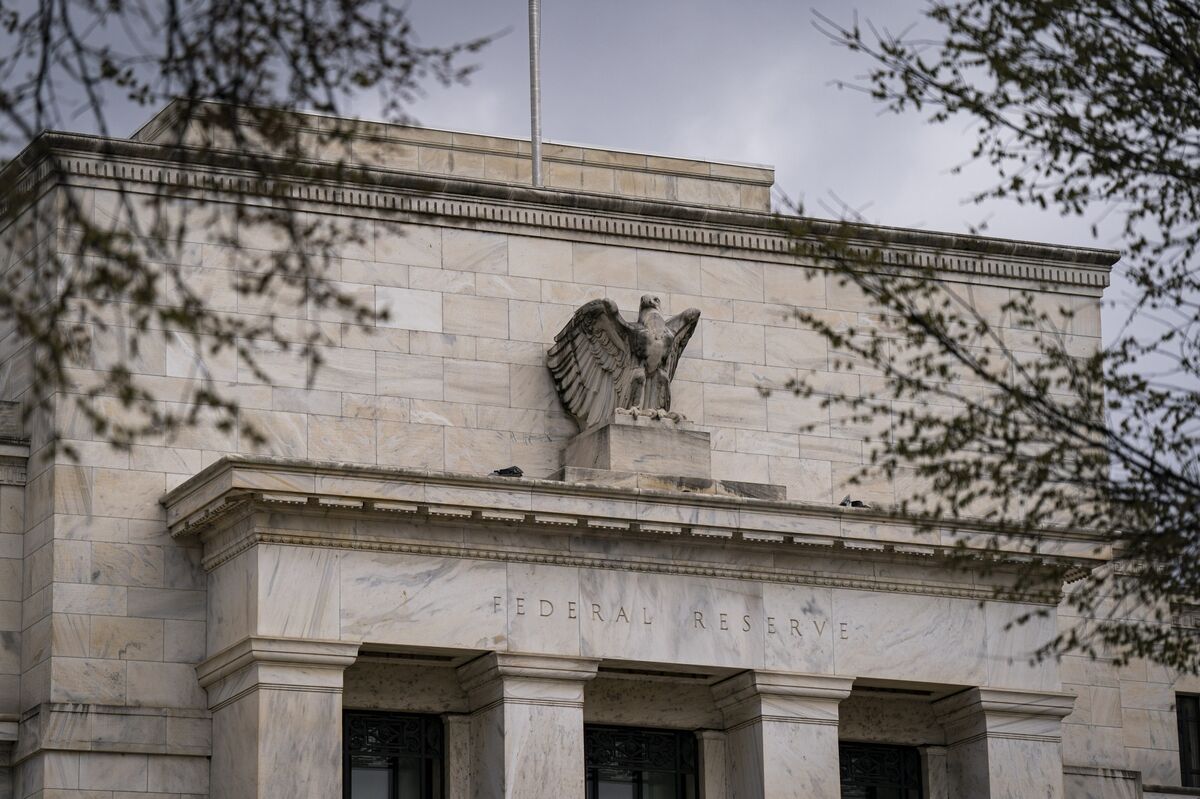
Central banks, including the Federal Reserve, now face a tightrope walk. They must balance taming inflation without triggering a recession, a challenge exacerbated by unpredictable geopolitical shocks. Analysts note that the OECD’s forecast assumes no further escalation, but any deepening of the conflict could accelerate inflationary trends and delay interest rate cuts.
Why this matters: For businesses, the interplay of inflation and trade risks underscores the need for contingency planning. Companies may accelerate nearshoring strategies or diversify supply chains to mitigate disruptions. For policymakers, the OECD’s warning highlights the urgency of addressing structural vulnerabilities in global markets before they crystallize into broader economic instability.
Source: Bloomberg Markets · Summarized by HeadlinesBriefing