
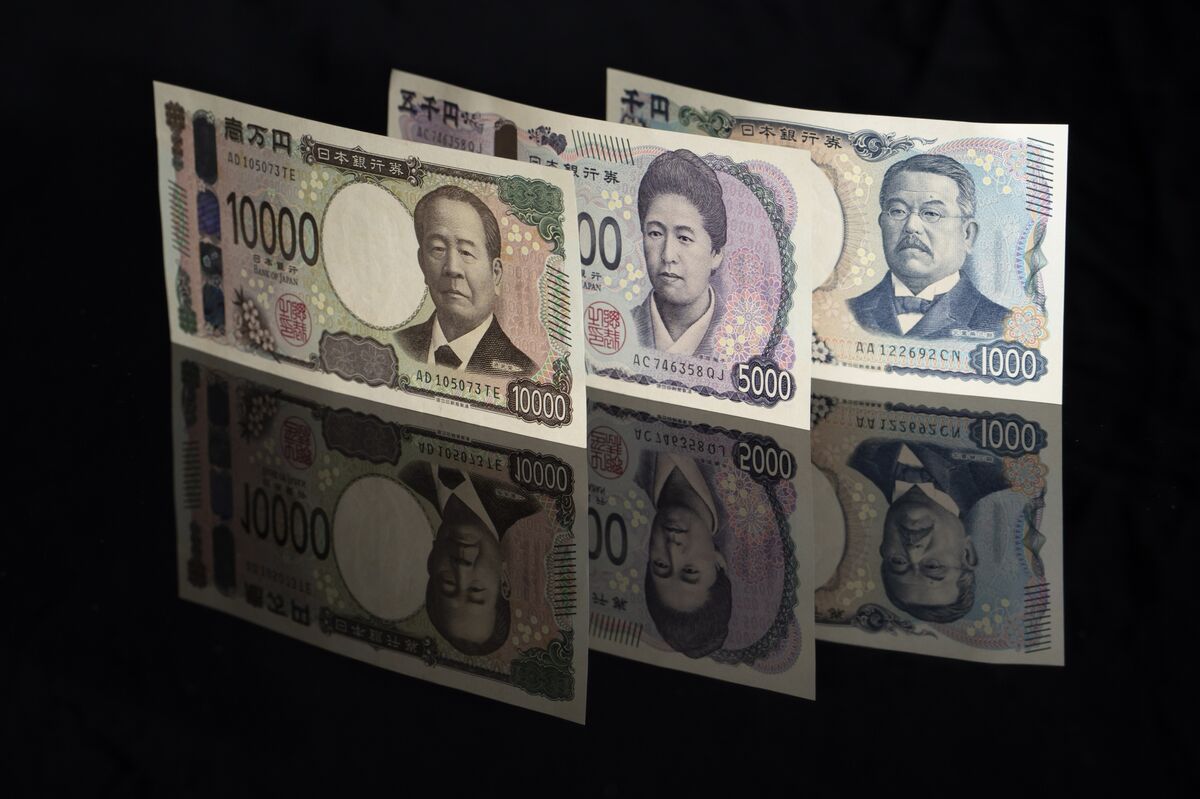
Japan's persistent yen weakness continues challenging policymakers despite repeated intervention efforts. The currency's decline directly impacts import prices, creating a feedback loop that pushes up household costs across the nation. With import-dependent sectors feeling the strain, the Bank of Japan faces mounting pressure to respond more aggressively.
The economic transmission mechanism is clear: a weaker yen makes foreign goods more expensive, eroding consumer purchasing power. This dynamic becomes particularly acute for energy and food imports, where price pressures compound existing inflation concerns. Policymakers watch these developments closely as they balance currency stability with broader economic objectives.
Living costs rise as the yen's depreciation widens the gap between export revenues and import expenses. For businesses operating in commodity-heavy industries, margins face squeeze while consumer confidence wavers. The policy challenge intensifies as traditional tools show limited effectiveness against market forces.
With household expenses climbing and corporate margins under pressure, the yen's trajectory remains critical for Japan's economic outlook. Current intervention strategies appear insufficient to reverse the currency's downward trend, leaving policymakers searching for more decisive measures.
Source: Bloomberg Markets · Summarized by HeadlinesBriefing