
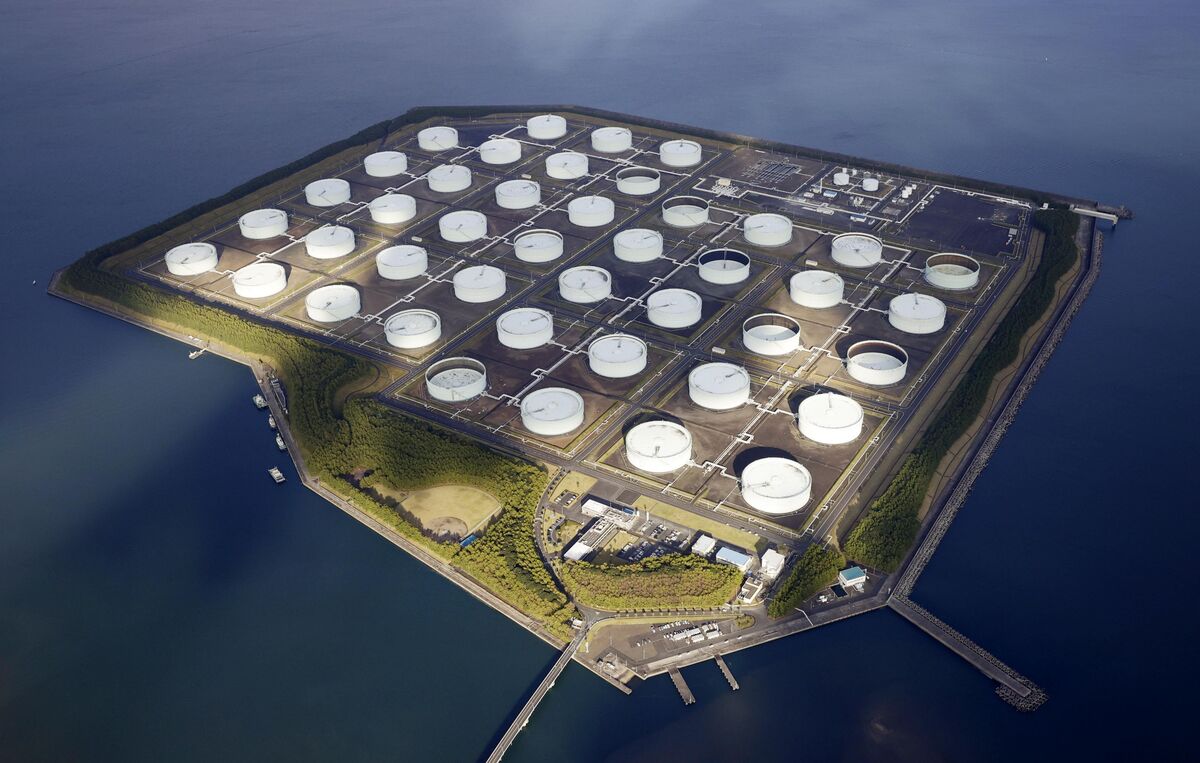
Japan's energy policy has been shaped by a single traumatic event: the 1973 oil shock that exposed the country's extreme dependence on overseas energy supplies. For more than half a century, Tokyo has worked to insulate the world's third-largest economy from similar disruptions. The nation imports virtually all its oil and natural gas, making energy security a top national priority.
This long-term focus has led to multiple layers of protection, including the world's largest strategic petroleum reserves and a diversified supplier network spanning the Middle East, Southeast Asia, and Russia. Japan has also invested heavily in energy efficiency and alternative sources like nuclear power, though the 2011 Fukushima disaster complicated that strategy. The country's industrial giants, from Toyota to Mitsubishi, have built energy contingency plans into their operations.
Now, with global energy markets again in turmoil due to the Ukraine war and tensions with China, Japan's decades of preparation face their biggest test yet. The question isn't whether the country is prepared - it's whether its preparations will be enough to weather what could be the most challenging energy crisis since 1973.
Source: Bloomberg Markets · Summarized by HeadlinesBriefing