
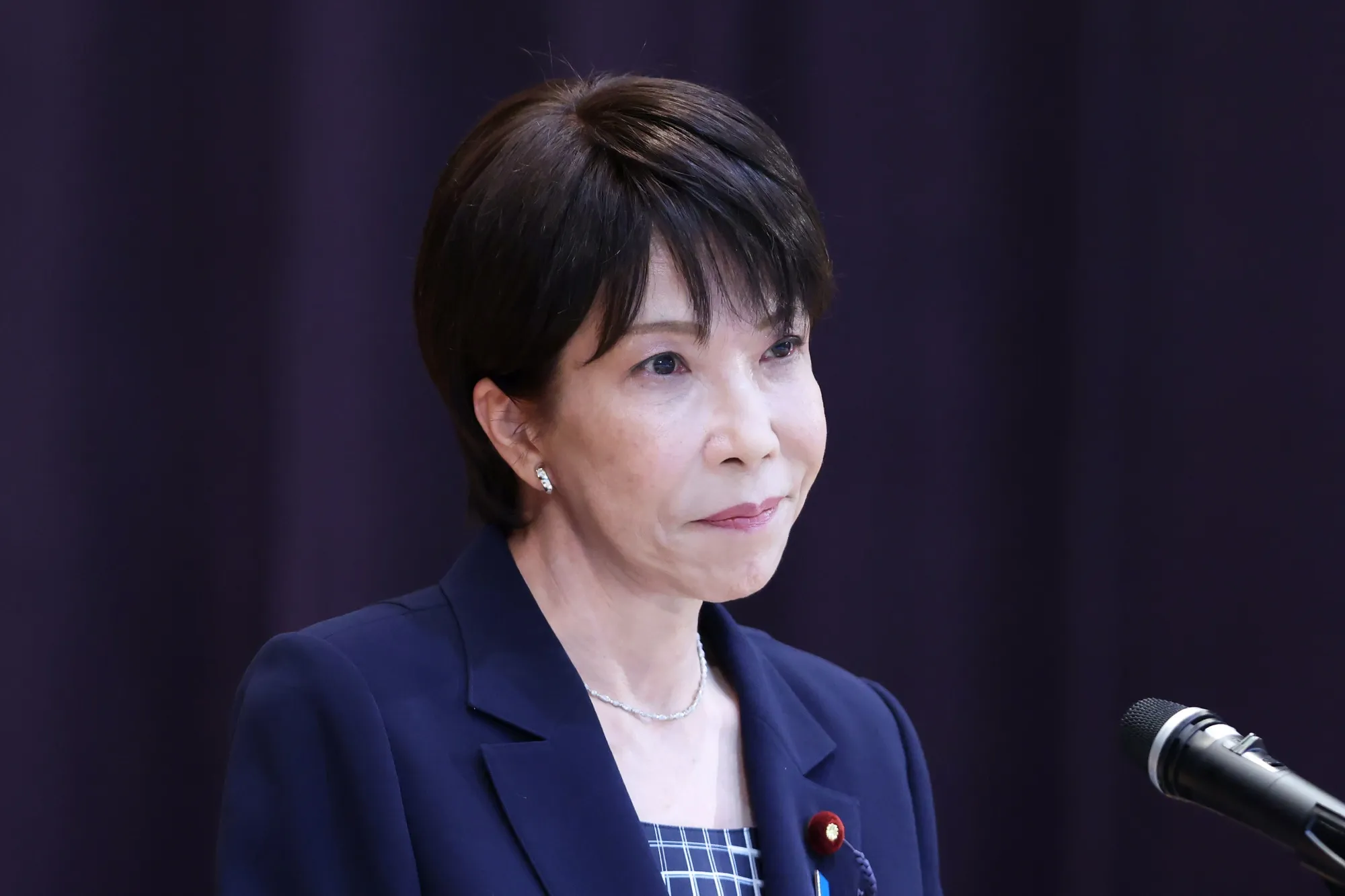
Japanese Prime Minister Sanae Takaichi strongly denied being responsible for a weak yen and high interest rates during a parliamentary session on Monday. She stated she has faced significant criticism labeled as 'Takaichi's weak yen' and 'Takaichi's high interest rates,' which she categorically rejected. Her administration aims to bolster confidence in the yen by fostering a strong economy and achieving fiscal sustainability, including appropriate control of Japanese government bond issuance in the next fiscal year’s budget.
The remarks come as her year-old administration seeks to alleviate market concerns over fiscal management. Earlier in the year, drafts of an economic policy blueprint raised fears of a shift toward expansionary policies, contributing to yen depreciation and higher long-term sovereign yields. However, Growth Strategy Minister Minoru Kiuchi stated in September that Japan no longer requires reflationary policies involving aggressive monetary easing and fiscal spending, a view Takaichi echoed earlier this month.
Finance Minister Satsuki Katayama also affirmed that Takaichi is not a reflationist, despite her long association with the label. Market participants are closely monitoring how the government will finance a planned sales tax cut on food and increased defense spending without exacerbating the debt burden. Separately, Bank of Japan Governor Kazuo Ueda, who appeared with Takaichi in parliament, noted that underlying inflation is rising very close to the BOJ’s 2% target.
He warned that long-term bond yields could rise if the market perceives the BOJ is not adjusting the benchmark policy rate at an appropriate pace.
Source: Bloomberg Markets · Summarized by HeadlinesBriefing