
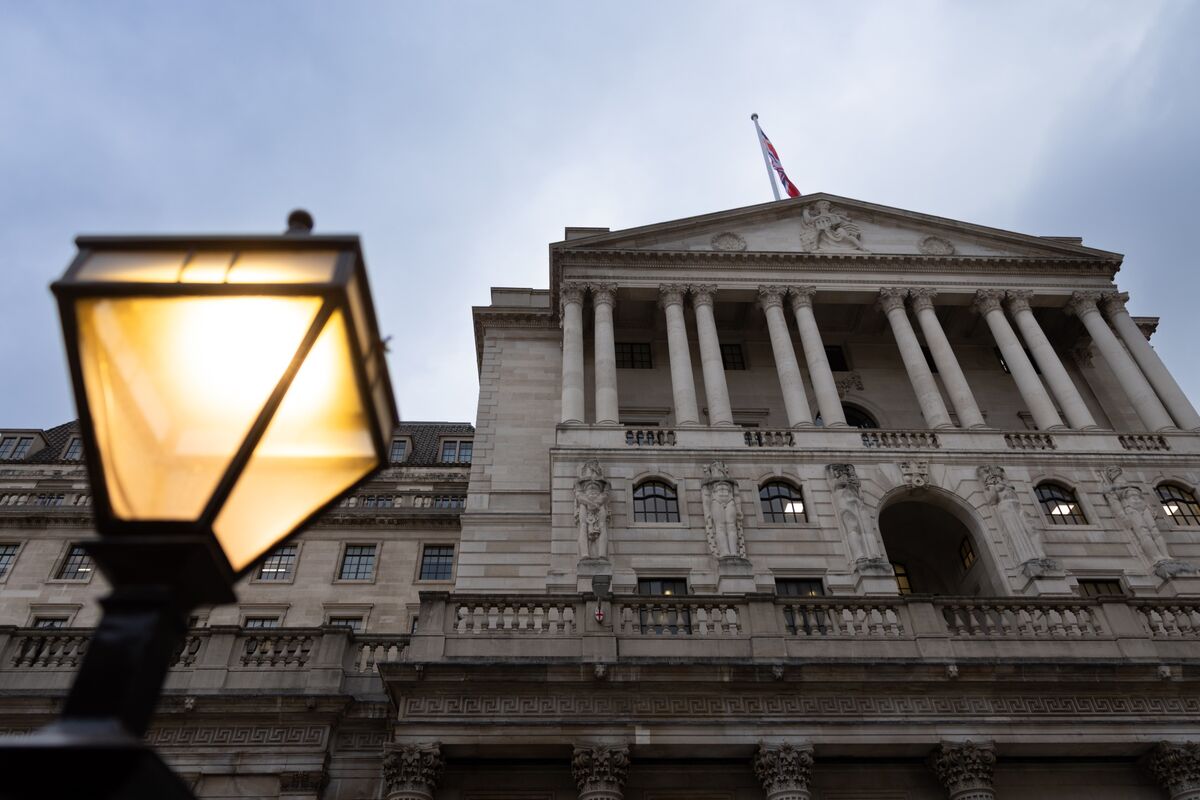
Iran's war has disrupted global energy supplies, pushing inflation higher and forcing central banks to reassess rate policies. This uncertainty has sent interest-rate swap markets into turmoil, with traders scrambling to price in potential central bank moves. In the US and Europe, swap rates have swung wildly—shifting from bets on rate cuts to expectations of hikes—reflecting conflicting signals about inflation and growth. Swap markets, which track expectations for central bank borrowing costs, are now a focal point for investors navigating the fallout from the Middle East crisis.
The volatility stems from swaps' dual role: they’re used both to speculate on rate directions and to hedge against uncertainty. For example, a company with a floating-rate loan might lock in a fixed rate via a swap to avoid rising costs if inflation persists. Conversely, investors betting on prolonged high rates could profit if central banks delay easing. However, these markets aren’t infallible. During the pandemic, swaps initially underestimated the scale of rate cuts, then overestimated hikes as inflation cooled. This lag highlights the risk of relying solely on swap pricing for policy signals.
The ripple effects are far-reaching. Higher swap rates increase borrowing costs for businesses and governments, squeezing profit margins and public budgets. In the UK, where fixed-rate mortgages are tied to swap rates, lenders have pulled products from the market amid pricing uncertainty, limiting homebuyer options. Meanwhile, the European Central Bank and Bank of England face dual pressures: taming inflation while avoiding a growth slowdown. Unlike the US Federal Reserve, which balances employment goals, these institutions prioritize price stability, complicating their responses to energy-driven inflation.
Swap volatility also impacts equity valuations. Higher rate expectations reduce the present value of future corporate earnings, depressing stock prices. Governments, too, face higher bond yields, raising debt-servicing costs and potentially forcing austerity measures. As central banks grapple with these dynamics, swap markets remain a critical—but imperfect—barometer of policy intent. The Iran crisis underscores how geopolitical shocks can destabilize even the most sophisticated financial instruments, leaving investors and policymakers in a state of flux.
Source: Bloomberg Markets · Summarized by HeadlinesBriefing