
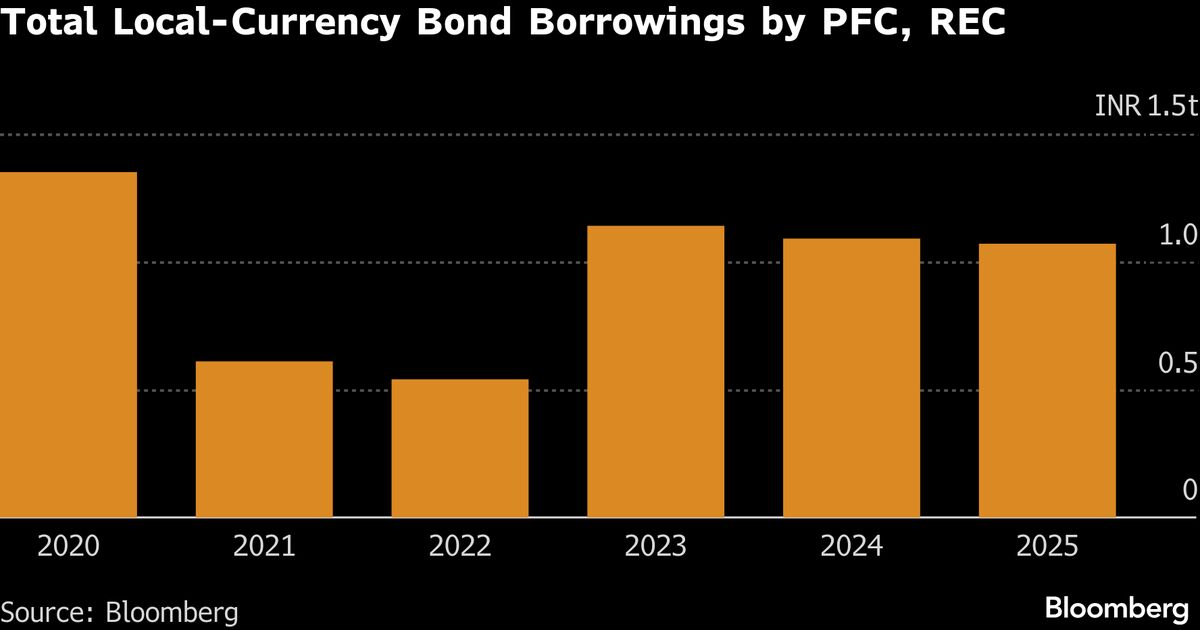
A recent merger of Indian lenders focused on the power sector has injected $61 billion in debt capital into the country’s credit market, signaling confidence in energy infrastructure as a growth engine. The consolidation, involving state-backed and private financial institutions, aims to streamline financing for energy projects critical to India’s expanding economy. Analysts suggest this move could stabilize lending practices while addressing long-standing gaps in funding for renewable energy and grid modernization. By pooling resources, the merged entity may reduce risk for investors and accelerate project approvals, aligning with Prime Minister Modi’s push for energy self-reliance.
The $61 billion debt package represents one of the largest sector-specific financing initiatives in India’s post-pandemic economic recovery. While details of participating institutions remain undisclosed, the merger’s structure implies a shift toward specialized credit solutions tailored to the power sector’s unique challenges, such as fluctuating energy demand and regulatory hurdles. This strategy could set a precedent for other industries seeking targeted capital infusion, though experts caution that success will depend on transparent governance and adherence to international lending standards.
India’s credit market has faced scrutiny over fragmented lending practices, but this merger signals a turning point. By prioritizing energy and infrastructure sectors, the deal addresses bottlenecks in financing that have hindered progress in renewable energy adoption and industrial expansion. For global investors, the move underscores India’s growing role as a destination for large-scale infrastructure financing, though geopolitical tensions and domestic policy shifts remain wildcard factors.
The power sector merger positions India’s credit market as a critical player in global energy transitions. With $61 billion at stake, the deal not only promises to unlock capital for domestic projects but also to attract foreign institutional investors seeking exposure to emerging markets. As India aims to double its renewable energy capacity by 2030, this financing framework could become a model for balancing rapid economic growth with sustainable development.
Source: Bloomberg Markets · Summarized by HeadlinesBriefing