
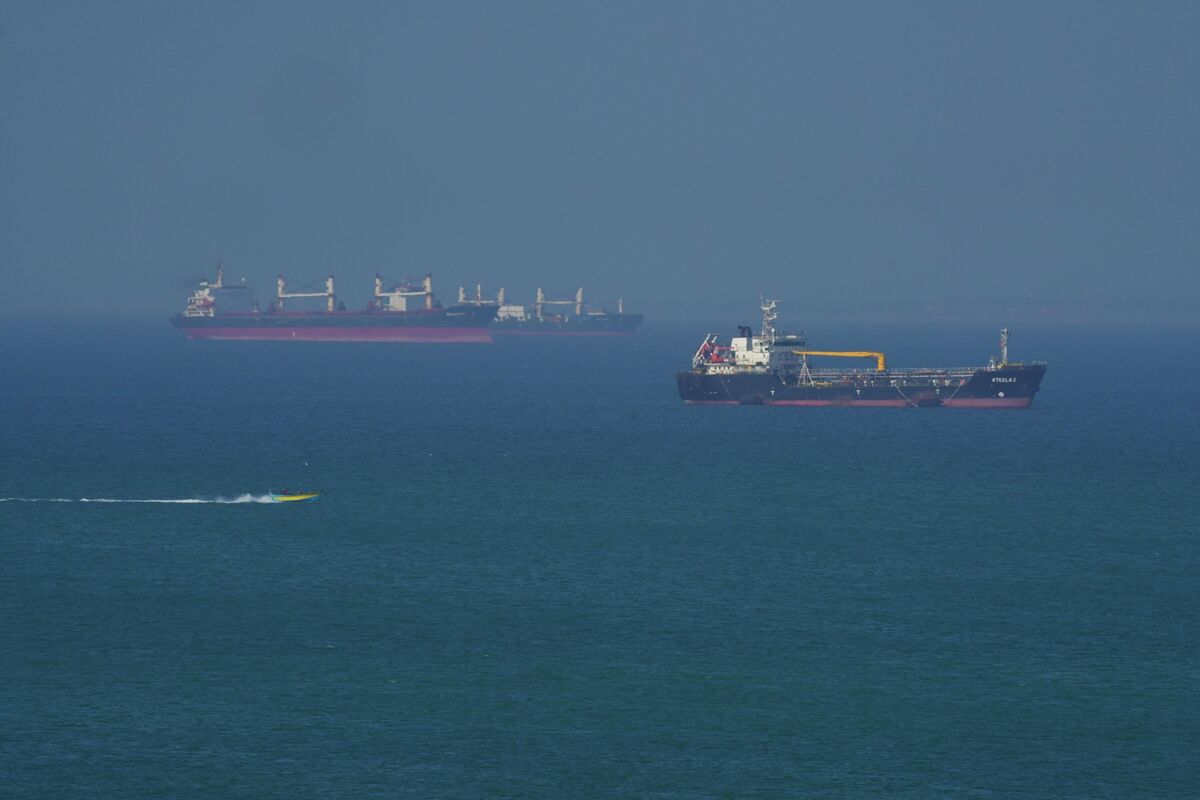
Oil flows through the Strait of Hormuz decreased by nearly 30% in the first quarter of 2026, falling from 20.4 million barrels per day to 14.6 million barrels per day, according to the US Energy Information Administration. This significant reduction represents the start of a "seismic energy shock" that has upended global supplies and sent prices surging. The strait has been effectively closed since the beginning of the war in Iran, choking off a vital route for approximately 25% of the world's seaborne oil. As a result, Brent futures have climbed more than 45% since the conflict began, while US retail gasoline prices have exceeded $4.50 per gallon. The rising energy costs are now affecting broader economic indicators, with the US producer price index showing a 6% increase in April—the sharpest monthly gain since 2022. In response to the disruption, producers have diverted shipments through alternative routes like the Panama Canal and Bab El-Mandeb Strait. This data comes from the inaugural edition of the EIA's new Global Energy Security Data report, specifically designed to assess how the Iran war has reshaped global energy markets.
Key Points:
- Oil flows through Strait of Hormuz fell by nearly 6 million barrels per day in Q1 2026
- Brent futures surged over 45% and US gasoline prices topped $4.50/gallon due to supply disruptions
- Alternative shipping routes through Panama Canal and Bab El-Mandeb saw increased volumes as producers adapted
**
Source: Bloomberg Markets · Summarized by HeadlinesBriefing