
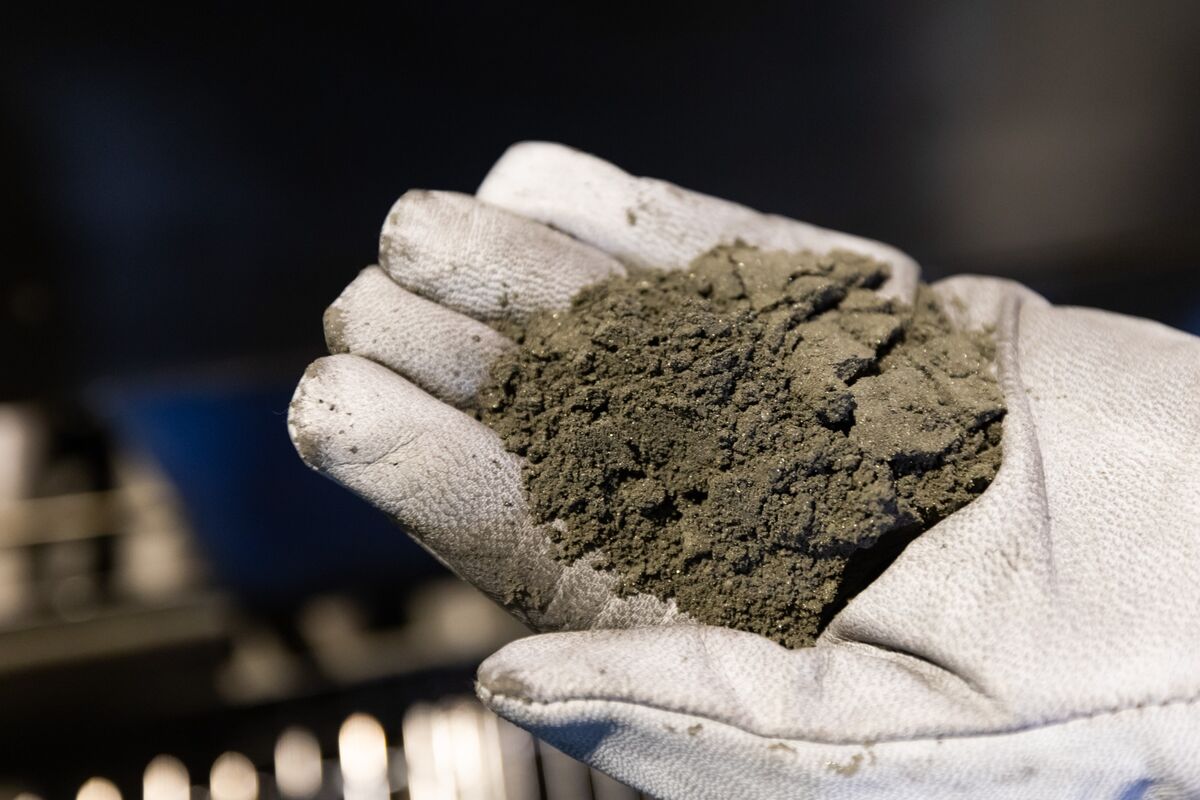
Harmony Gold Mining Co. achieved a landmark milestone by producing its first copper during the fiscal first half, marking a pivotal expansion into a metal central to the global energy transition. This move aligns with the company’s strategic pivot toward diversifying its portfolio beyond traditional gold mining, capitalizing on surging demand for copper driven by renewable energy infrastructure and electric vehicle markets. The energy transition, a key growth driver, has intensified competition for critical minerals, positioning Harmony Gold to leverage its mining expertise in a high-growth sector.
Copper’s strategic importance stems from its unparalleled conductivity, making it indispensable for solar panels, wind turbines, and EV batteries. By entering this market, Harmony Gold aims to reduce reliance on volatile gold prices while tapping into long-term structural demand. The company’s maiden copper output reflects a calculated bet on sustainable resource allocation, though specifics about production volumes or deal values remain undisclosed. Analysts note this shift could enhance Harmony Gold’s resilience amid fluctuating commodity cycles.
The mining industry’s transformation is accelerating as firms realign to meet climate goals. For Harmony Gold, this transition underscores a broader industry trend: balancing traditional operations with investments in future-ready assets. While the source material omits financial details, the expansion signals confidence in copper’s role within decarbonization efforts. Investors and competitors will closely monitor how this diversification impacts Harmony Gold’s market position and operational efficiency.
Market implications extend beyond Harmony Gold. As major players like BHP and Rio Tinto also prioritize copper projects, the sector faces intensifying consolidation and regulatory scrutiny. Harmony Gold’s entry into copper production may spur smaller firms to follow suit, reshaping supply chains and investment flows. The company’s ability to scale operations while maintaining profitability will likely set a benchmark for peers navigating similar transitions.
Source: Bloomberg Markets · Summarized by HeadlinesBriefing