
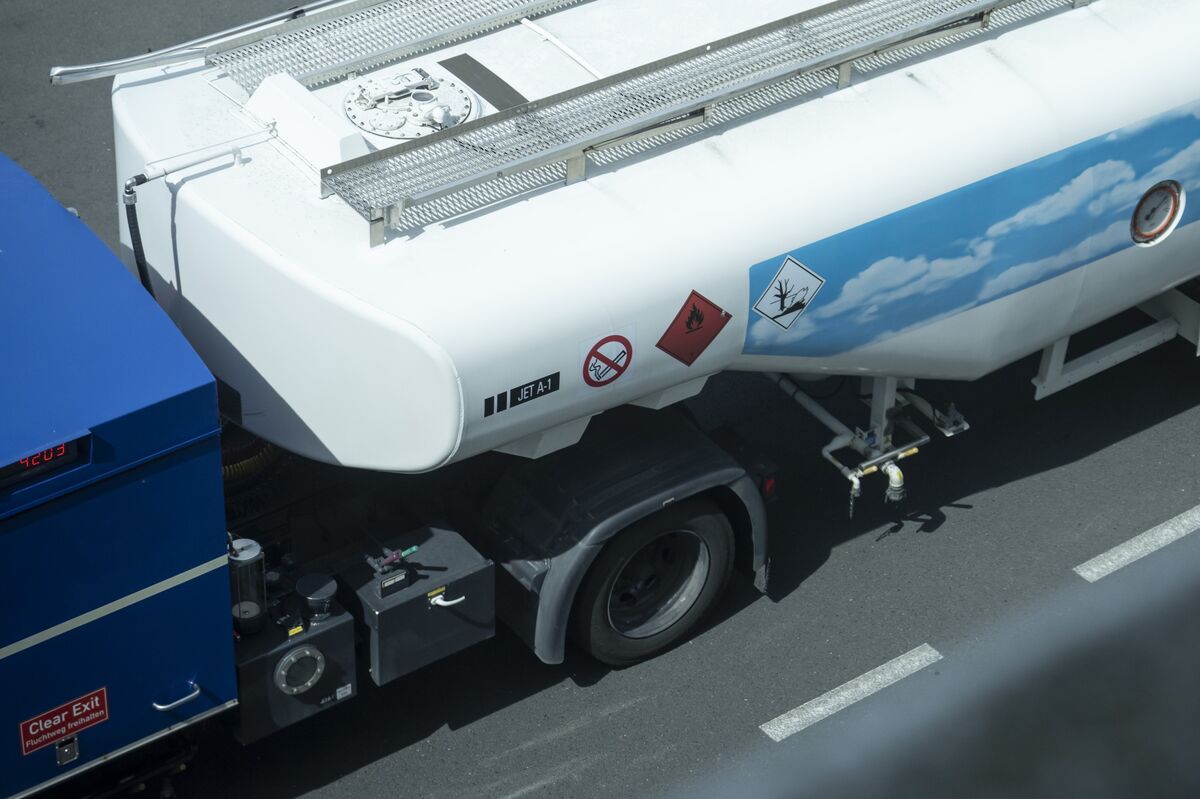
Green Sky Capital has secured financing for a sustainable aviation fuel (SAF) facility in Egypt, joining regional investors to support the project. This move aligns with airlines' growing efforts to reduce reliance on traditional jet fuel amid rising environmental regulations. The facility, located in the Middle East's aviation hub, aims to produce SAF using advanced biofuel technology, potentially supplying regional carriers and easing supply chain bottlenecks. While specifics on capacity or funding amounts remain undisclosed, the partnership underscores increasing private-sector involvement in decarbonizing air travel.
Egypt's strategic location positions the facility to serve airlines across Africa, the Middle East, and Europe. Industry experts note that regional collaboration is critical to scaling SAF production, as global demand outpaces current output. The project also reflects a broader trend: airlines facing pressure to meet net-zero pledges are increasingly investing in alternative fuels. However, challenges persist, including feedstock availability and cost competitiveness compared to conventional fuels.
The involvement of Green Sky Capital—a firm specializing in green infrastructure financing—signals confidence in Egypt's emerging SAF market. This aligns with the country's push to diversify its energy economy beyond oil and gas. Regional players, including Gulf-based airlines, have already expressed interest in securing SAF supplies, though adoption hinges on regulatory incentives and technological advancements. Analysts suggest such partnerships could accelerate Africa's transition to low-carbon aviation.
This facility represents a pivotal step in integrating SAF into mainstream aviation. By leveraging Egypt's logistical advantages and regional demand, the project may set a template for similar ventures in developing economies. However, its long-term viability will depend on sustained investment and policy support to bridge the gap between pilot initiatives and large-scale deployment.
Source: Bloomberg Markets · Summarized by HeadlinesBriefing