
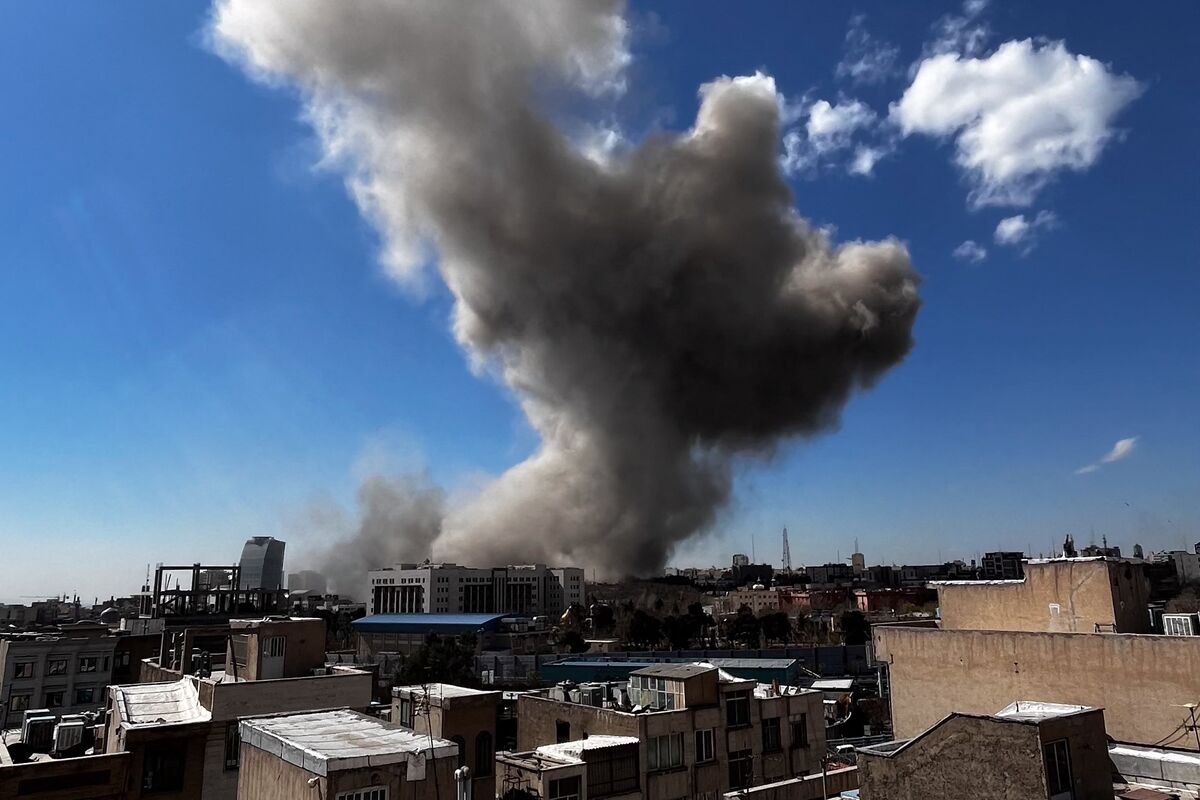
The Middle East conflict has thrust force majeure clauses back into the spotlight as companies scramble to protect themselves from penalties when geopolitical events derail contracts. QatarEnergy invoked the legal provision to avoid fines for missed LNG deliveries, while Aluminium Bahrain BSC suspended metal shipments citing risks in the Strait of Hormuz.
Force majeure, French for 'superior force,' allows parties to escape contractual obligations when 'acts of God' or unforeseen events make performance impossible. Natural disasters, wars, and pandemics like Covid-19 commonly trigger these clauses. The principle has gained particular relevance as oil and commodities firms face mounting pressure from the US-Israel strikes on Iran and Tehran's retaliatory attacks across multiple countries.
Companies must carefully navigate force majeure declarations, as courts can reject claims based on contract language and jurisdiction. Many international agreements specify London or New York courts for disputes. While some states like California provide relief for 'irresistible, superhuman' causes, others enforce strict 'hell-or-high-water' clauses that require performance regardless of circumstances.
Source: Bloomberg Markets · Summarized by HeadlinesBriefing