
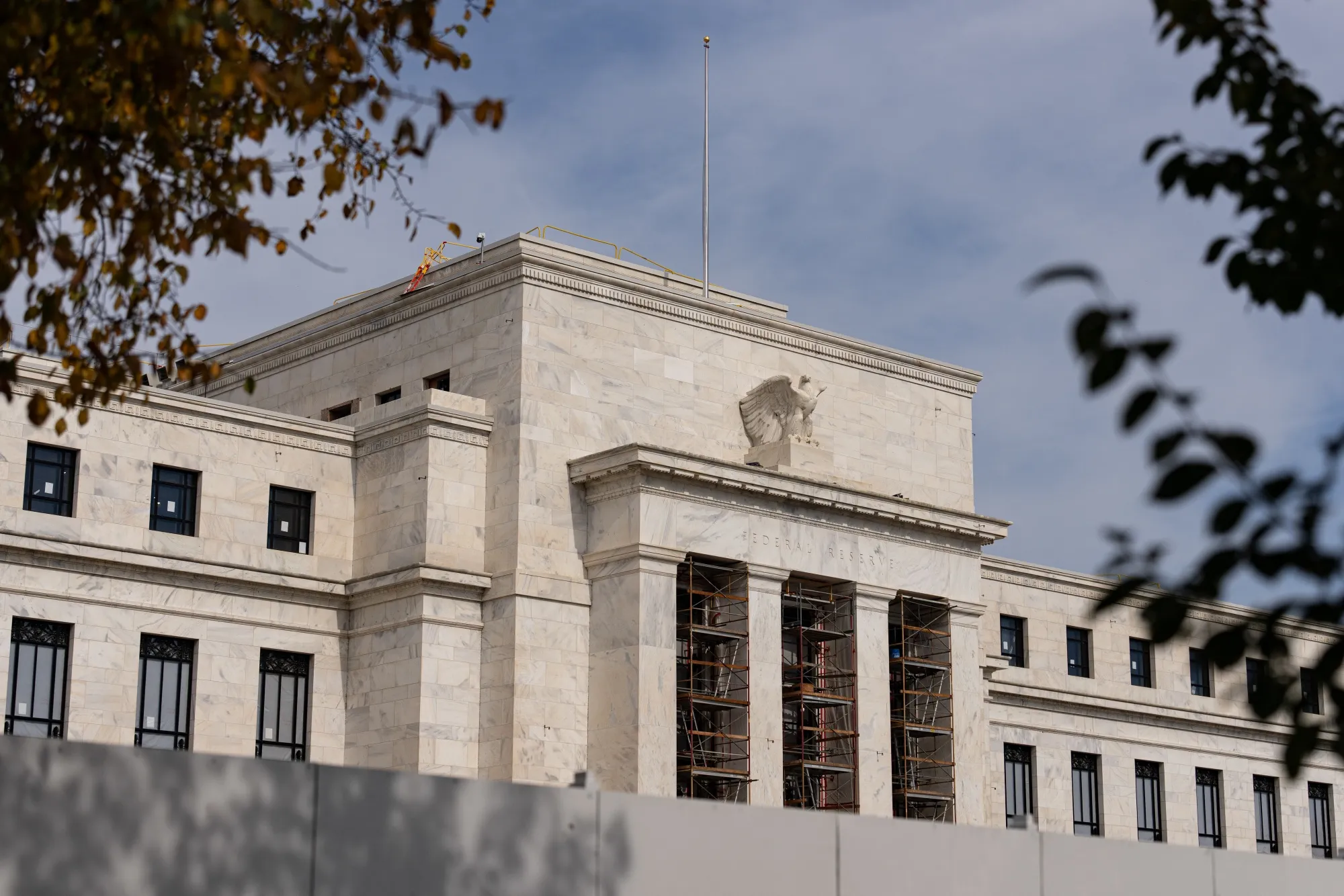
As Federal Reserve officials weigh ways to shrink their holdings while keeping markets flush with cash, they face a long-standing challenge: overcoming the stigma of borrowing from the central bank. For more than a decade, the Fed has supplied reserves mainly by holding a massive securities portfolio. Shifting to lending facilities and a so-called repo-based system would reshape the relationship between the Fed, banks and money markets.
Discussions on repo operations have intensified following speeches by New York Fed President John Williams and Roberto Perli, manager of the System Open Market Account. Chairman Kevin Warsh said this week that a task force reviewing balance-sheet management will likely present findings early next year. A key argument for a repo-based system is that it would let the Fed operate with a leaner balance sheet and a smaller stock of reserves, goals Warsh has pursued since before he led the Fed. However, it would also require market participants, including regulators, to be comfortable borrowing from the central bank.
"Clearly there's a push to explore this in the context of the task force," said Mark Cabana, co-head of global interest rate strategy at Bank of America Corp. "Fed officials are talking about these options like they're viable. They're not unless they address underlying issues."
The Fed's $6.8 trillion balance sheet has ballooned since the 2008 global financial crisis, when asset purchases flooded the system with reserves. Unlike the securities-based approach, a repo-based framework supplies a larger share of reserves through lending facilities and repo operations. The Bank of England, Bank of Canada and Reserve Bank of Australia already use this model. Matthew Raskin, head of US interest rate strategy at Deutsche Bank, noted that such systems work only if institutions see central-bank liquidity as an ordinary funding tool rather than an emergency backstop.
That shift has proven difficult. The discount window has carried a stigma as old as the US central bank itself, and officials have sought to modernize it. During a private discussion last year, primary dealers representing Wall Street banks told the New York Fed that borrowing directly from the central bank, including through the Standing Repo Facility, still carries a stigma.
Source: Bloomberg Markets · Summarized by HeadlinesBriefing