
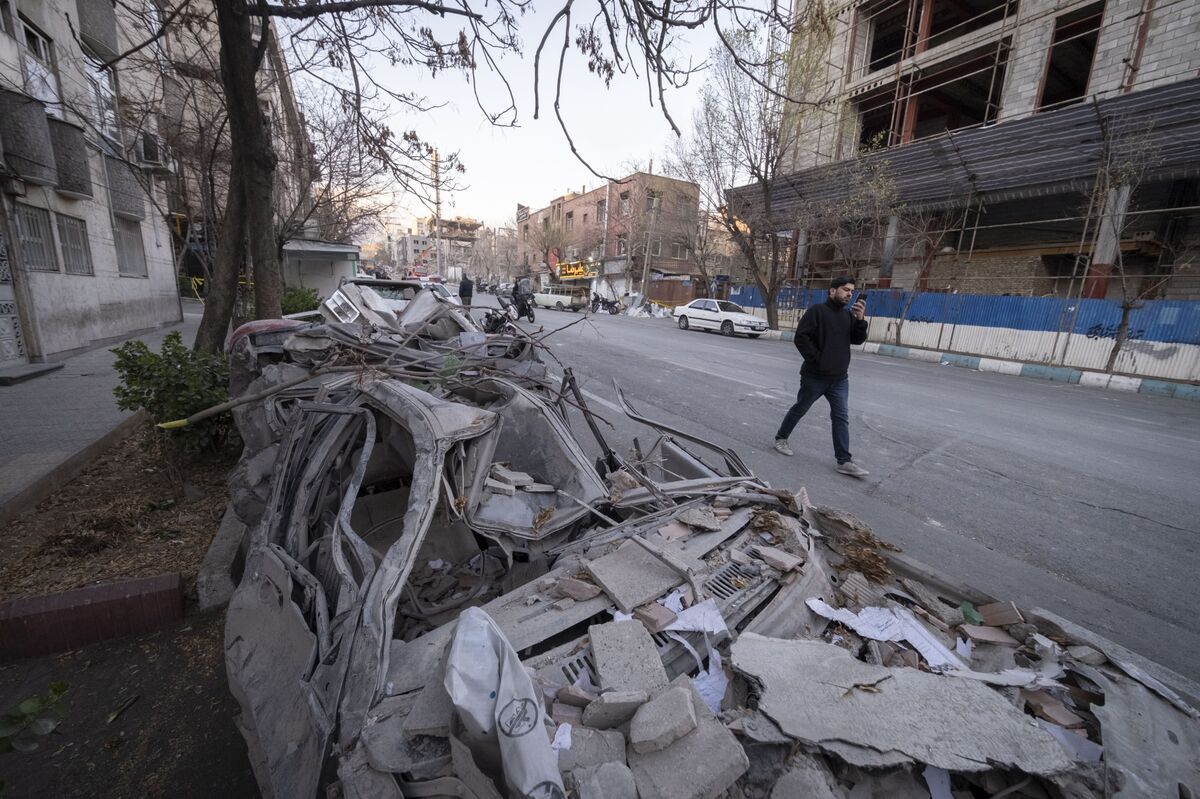
The next four weeks will determine whether Europe’s economy faces a fresh crisis or merely a speed bump in its recovery, according to analysts. Donald Trump has stated his strikes on Iran—which killed Ayatollah Ali Khamenei and triggered counterattacks—will last that long. A prolonged conflict risks sabotaging the euro zone’s fragile revival and reigniting inflation, as Europe is the 'most exposed major economy' to Iran spillovers due to its reliance on regional oil and gas.
If the conflict is short-lived and energy prices rise briefly, damage will be contained, but sustained price hikes could force governments to spend more to shield voters, pressuring leaders. The Iran escalation follows renewed confusion over US tariffs, though panic hasn’t erupted yet. Analysts expect Brent prices to average $65-$70 a barrel, viewing recent spikes as a 'near-term spike'.
Iran also has incentives to avoid excessive tensions in the Strait of Hormuz, a key oil route, as China heavily depends on it and will pressure Tehran. ECB policymakers say it’s premature to judge the attacks' economic impact, though Belgium’s Pierre Wunsch warns that longer conflicts requiring model updates could raise inflation. A $10/barrel oil shock would lift euro-area inflation by 0.4 percentage points and lower growth by 0.15 points.
Despite the commodity cost jump, traders are betting on a short conflict, with Germany’s DAX index focused on the 25,000-point mark. Markets see it as a volatility shock, not a supply shock, with BlackRock noting the distinction.
Source: Bloomberg Markets · Summarized by HeadlinesBriefing