
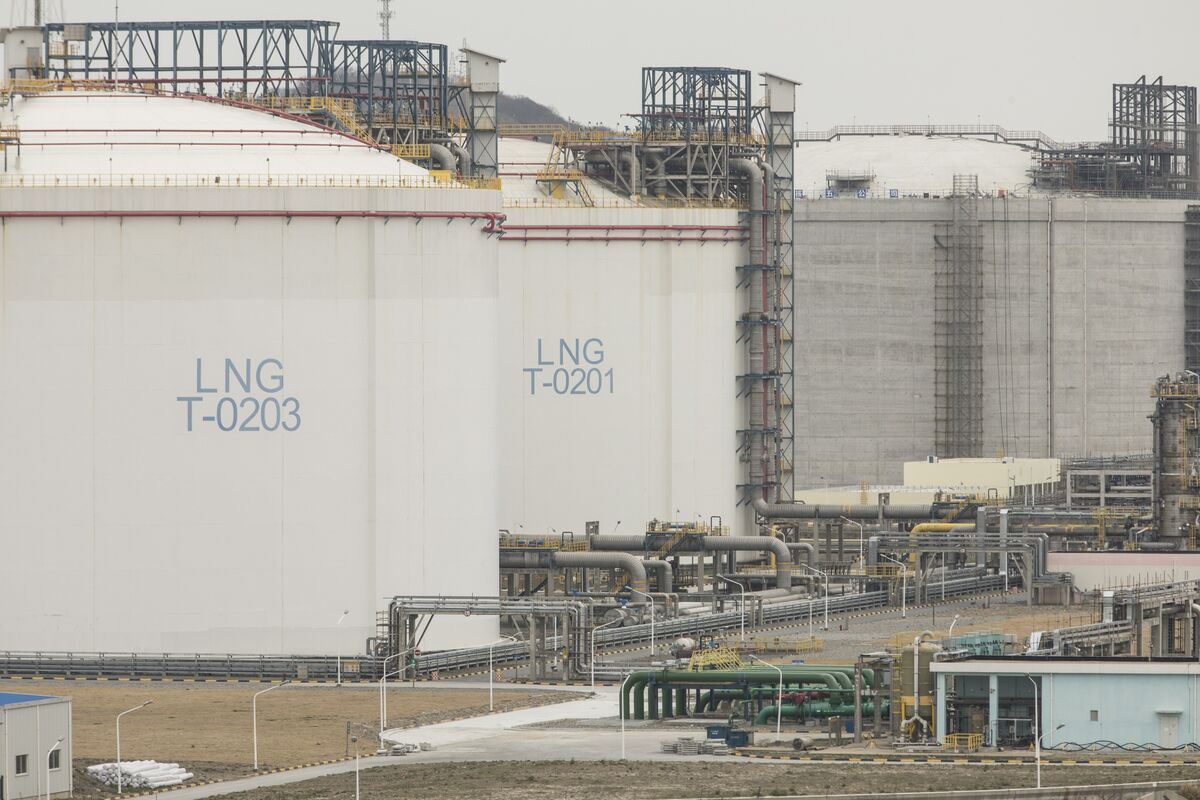
China's domestic natural gas prices are weakening, curbing the world's biggest importer's appetite for expensive seaborne supplies and potentially freeing up cargoes for Europe and other Asian markets during the peak winter demand season. Trucked liquefied natural gas prices have fallen since Wednesday, with some liquefaction plants near inland fields cutting offers sharply. The national average LNG price was the equivalent of $21.97 per million British thermal units on Monday, about $9.70 below JKM futures, according to data compiled by Chinese pricing agency Gas Tank.
The drop comes as state-backed energy giants finish stockpiling for winter and prepare to begin withdrawals next week. The steep discount makes additional imports uneconomic for many buyers, with global spot prices near a four-year high. "When costs get too high, demand drops," said Huang Qing, a director at Gas Tank. China staying on the sidelines of the spot market could ease global supply tightness this winter and reduce competition between Asian and European buyers for flexible cargoes.
China National Petroleum Corp., the country's biggest gas supplier, expects weaker demand to leave the domestic market in surplus this winter. It forecasts that Asian spot LNG prices could average as much as $30 per million Btu, well above the roughly $22 affordability ceiling for Chinese industrial users. Domestic demand is being constrained by weak industrial activity, high gas costs and growing displacement of LNG-fueled trucks by new-energy vehicles, according to state-backed China Petrochemical News, which projects LNG imports to fall 3.8% to 7.5% this winter from the year before.
China is leaning on its abundant coal resources and rising unconventional gas production to limit its exposure to oil and gas supply shocks. Coalbed methane output has reached records in Shanxi, while a major coal-to-gas project began deliveries in the northeast province of Liaoning. These supplies give Chinese buyers more room to avoid costly spot LNG, leaving weather as a key risk to the bearish demand outlook.
Source: Bloomberg Markets · Summarized by HeadlinesBriefing