
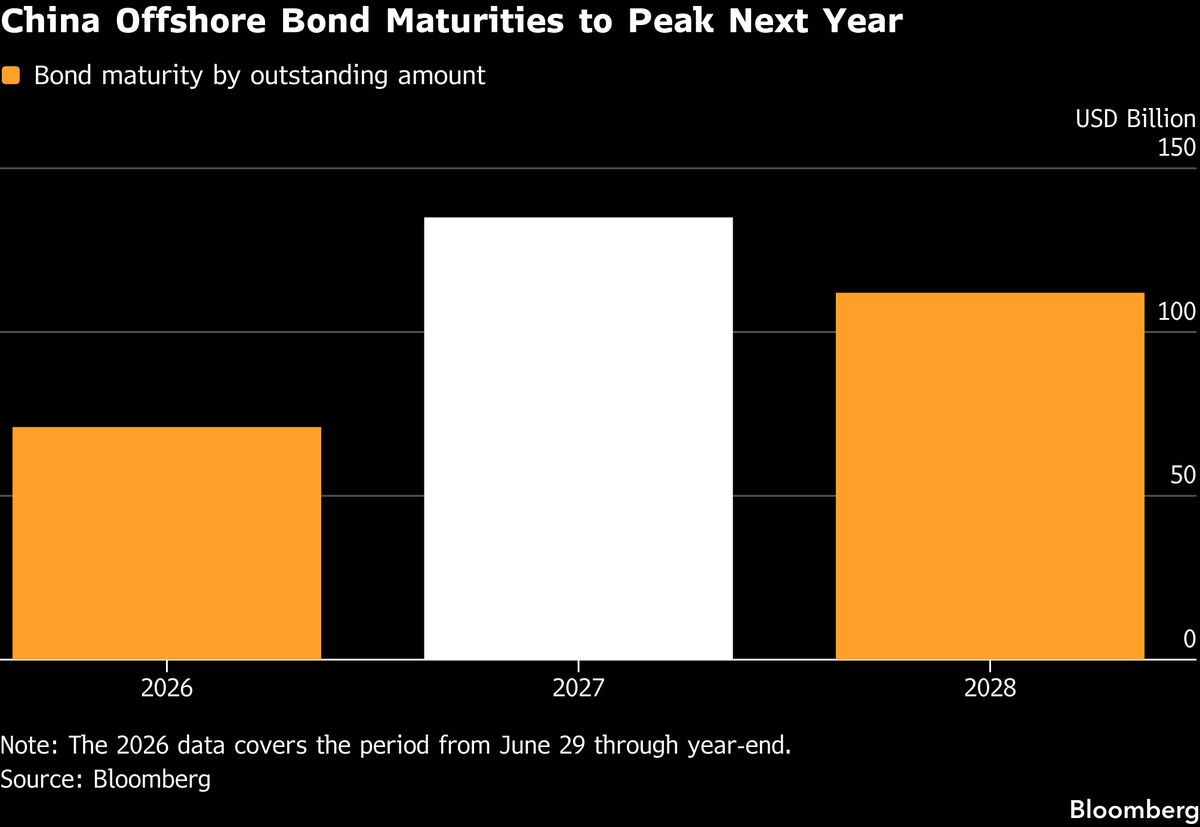
$100 billion in overseas bond debt held by Chinese municipal borrowers has become a focal point as regulators push to curb risks. Chinese authorities are actively discouraging firms from issuing higher-yielding offshore debt, a move aimed at preventing potential defaults that could destabilize markets. This clampdown reflects growing concerns over the financial health of local governments already burdened by significant foreign liabilities. The policy shift signals a broader effort to tighten control over cross-border financial activities, with implications for global investors holding Chinese bonds.
The decision comes amid heightened scrutiny of municipal borrowing practices. While the source did not specify which entities are targeted, the focus on offshore debt highlights vulnerabilities in China’s sovereign credit landscape. Higher yields often attract speculative investors, but they also increase default risks if borrowers struggle to meet obligations. Analysts suggest this could lead to a re-pricing of existing bonds, potentially triggering volatility in emerging markets. The measure also aligns with recent regulatory tightening around shadow banking and off-balance-sheet financing, which have drawn criticism for opacity.
Investors tracking Chinese municipal debt should brace for tighter underwriting standards and reduced liquidity in offshore markets. The policy may force firms to prioritize domestic financing or seek lower-yield options, reshaping capital allocation strategies. This clampdown is not isolated; it follows reports of several municipal defaults in 2023, underscoring systemic risks. For businesses reliant on offshore funding, the message is clear: pricing discipline is returning, and caution is paramount. The long-term impact will depend on how effectively authorities balance risk mitigation with market confidence.
Source: Bloomberg Markets · Summarized by HeadlinesBriefing