
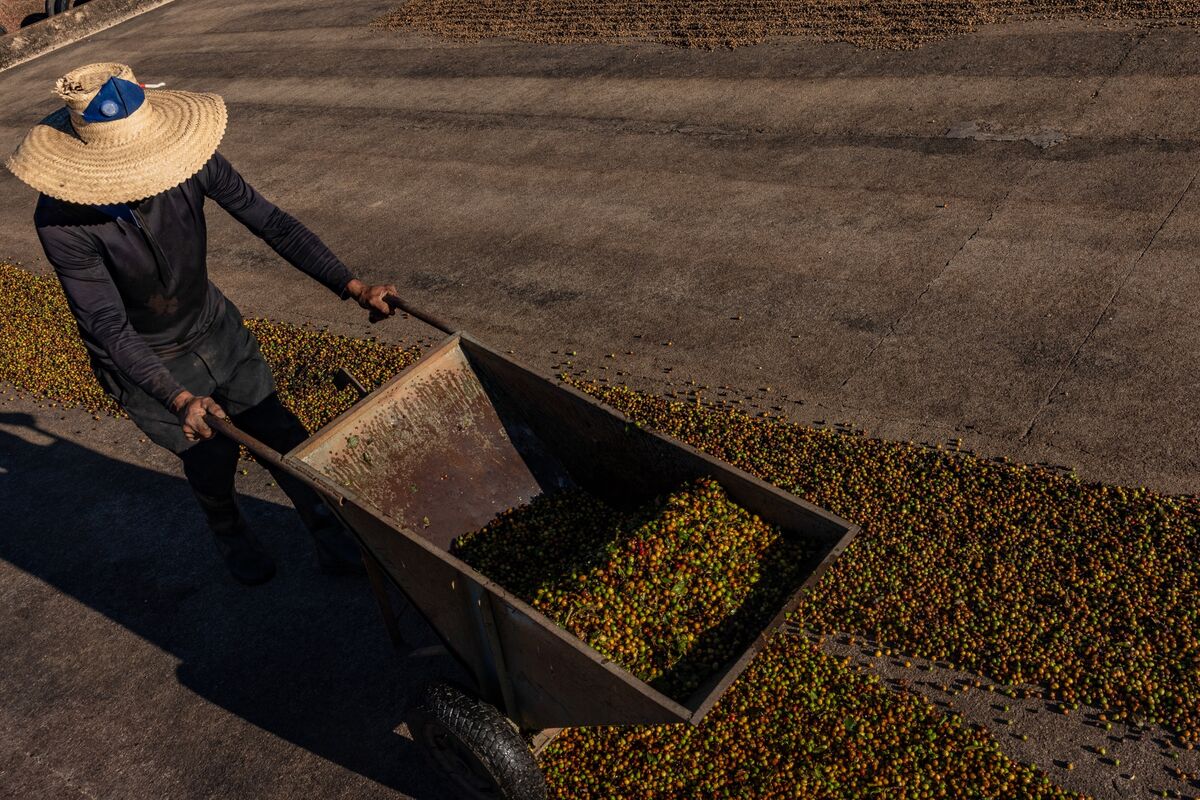
Brazil's record coffee harvest has sparked hope among traders that a global supply crunch could ease, but farmers in the world’s largest coffee producer are deliberately delaying sales, tightening availability in key markets. This standoff creates a paradox: while agricultural output hits historic highs, supply chains remain under pressure due to producers’ reluctance to commit to contracts. The hesitation stems from lingering uncertainty about pricing, as traders speculate whether the influx of beans will finally stabilize volatile markets. Coffee-consuming nations, including the U.S. and European Union, face continued shortages as buyers struggle to secure volumes. The situation underscores how agricultural markets remain sensitive to producer decision-making, even amid record supply.
The core issue lies in a disconnect between volume and transactional confidence. Brazil’s farmers, who control over 40% of global coffee output, are waiting for clearer signals about future prices before liquidating stock. This cautious approach mirrors past patterns where producers delayed sales during price dips, exacerbating scarcity. For traders, the delay means no immediate reprieve from the cost pressures that have strained coffee-dependent industries. Meanwhile, small-scale roasters and cafes in consuming countries report rising operational costs, as they cannot secure bulk purchases at favorable rates. The market’s reliance on Brazil’s output—both in volume and quality—makes this stalemate particularly consequential. Without a shift in farmer sentiment, the supply crunch could persist, keeping prices elevated and disrupting supply chains further.
The broader implication is a fragile equilibrium in global commodities. While the physical beans exist, their movement through markets depends on farmer willingness to sell—a factor often overlooked in supply discussions. Analysts note that if this pattern continues, it could set a precedent for other agricultural sectors where production outpaces commercialization. For now, coffee traders remain cautiously optimistic but prepared for prolonged volatility. The resolution will likely hinge on whether price negotiations between buyers and producers can overcome current mistrust. Until then, the market will continue to reflect the tension between abundance and access.
Source: Bloomberg Markets · Summarized by HeadlinesBriefing